


An sistema automatizado de almacenamiento y recuperación only creates value when the right software tells the right machine to move the right pallet at the right moment. Buyers often spend months comparing shuttle speed, rack layout, and crane cycles, then discover that the real project risk sits in the integration layer between the warehouse management system, the warehouse control system, and the automation hardware. This guide explains what each system does, where integration breaks, what architecture choices matter, and what to put in a supplier evaluation checklist before you sign.
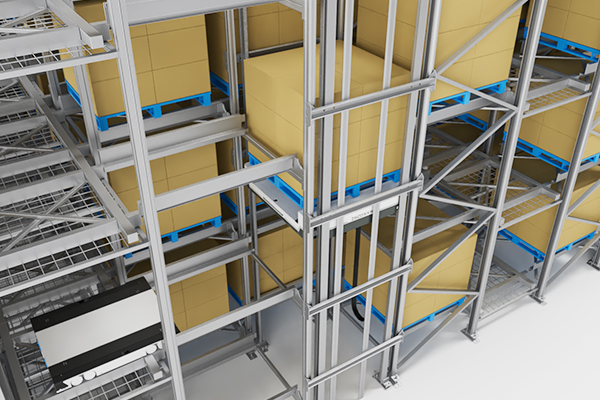
What ASRS, WMS, and WCS Each Control
An ASRS is not a single brain. It is a stack of control layers, and each layer makes different decisions at different speeds.
| Control layer | Typical system | Primary responsibility | Integration data |
|---|---|---|---|
| Business/planning | WMS | Orders, inventory, slots, replenishment, labor priorities | SKU master, order wave, putaway rule, inventory status |
| Execution/orchestration | WES/WCS | Task assignment, equipment routing, traffic, exception handling | Transport order, destination, priority, release triggers |
| Equipment control | ASRS controls + RCS | Robot dispatch, motion control, sensor events, safety | Position, status, load presence, fault codes |
The WMS is the planning brain. It decides what should move and why. A warehouse control system decides how a group of machines should execute that movement. The ASRS and its robot control system execute the physical pallet movement. The closest formal model for this separation is the enterprise-control integration hierarchy defined in ISA-95, which divides business planning, operations management, and real-time equipment control into distinct activity domains [1].
This distinction matters because each layer has a different failure mode. A WMS error usually affects data or planning. A WCS error blocks material flow. An ASRS fault stops physical movement. A buyer must therefore evaluate integration quality, not only the features of each individual package.
Why Integration Is Where Automation Projects Stall
Industry research consistently places software integration, data quality, and workforce readiness among the top risks in automation adoption [2]. The reason is straightforward: an ASRS can only execute what the upstream systems describe cleanly. If the WMS uses a different pallet master, a different unit of measure, or a different location hierarchy than the WCS expects, the project needs expensive custom mapping.
The most common failure points include duplicate or conflicting master data, missing exception workflows, unclear ownership of task cancellation, inconsistent barcode or RFID rules, and custom interface code that becomes unsupported after go-live. These are not dramatic failures. They appear as small delays, manual overrides, and falling throughput after launch.
Most integration failures trace back to software boundaries, not robot hardware. (https://www.zikooint.com/ptp-intelligent-warehouse-software-empowers-enterprises-for-smart-upgrades)> covers how a unified WMS/WES/WCS/RCS platform removes the interface friction that slows go-live.
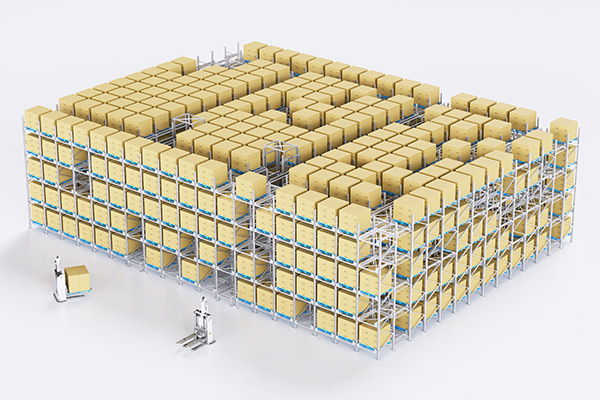
Integration Architectures: From Interfaces to Unified Platforms
There are three common ways to connect ASRS equipment to warehouse software.
Model A: WMS to WCS with direct equipment control. The WMS releases orders to a WCS, and the WCS directly manages conveyors, shuttles, lifts, and stacker cranes. This works for focused projects but can become brittle when new equipment or workflows are added later.
Model B: WMS to WES to WCS/RCS. A warehouse execution system inserts an orchestration layer between planning and equipment control. This is useful in high-volume, multi-process operations where order release must be optimized across picking, replenishment, and inbound tasks.
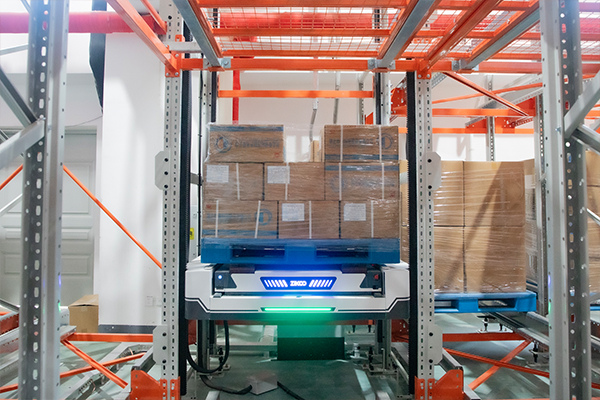
Model C: Unified WMS/WES/WCS/RCS platform. One software suite manages planning, execution, equipment control, and robot control. Fewer interfaces mean less data translation and fewer support boundaries. Zikoo’s Software de almacén inteligente PTP, for example, provides a combined WMS/WES/WCS/RCS structure designed for pallet-to-person storage and retrieval environments.
A flexible WMS/WCS layer is often the difference between a system that works on day one and one that scales. Intelligent Warehousing Platform: Building a Flexible and Smart Logistics Ecosystem>(https://www.zikooint.com/ptp-intelligent-warehousing-platform-building-a-flexible-and-smart-logistics-ecosystem)> covers how platform design affects multi-site and multi-workflow deployment.
cURL Too many subrequests by single Worker invocation. To configure this limit, refer to https://developers.cloudflare.com/workers/wrangler/configuration/#limits
cURL Too many subrequests by single Worker invocation. To configure this limit, refer to https://developers.cloudflare.com/workers/wrangler/configuration/#limits
cURL Too many subrequests by single Worker invocation. To configure this limit, refer to https://developers.cloudflare.com/workers/wrangler/configuration/#limits
- cURL Too many subrequests by single Worker invocation. To configure this limit, refer to https://developers.cloudflare.com/workers/wrangler/configuration/#limits
- cURL Too many subrequests by single Worker invocation. To configure this limit, refer to https://developers.cloudflare.com/workers/wrangler/configuration/#limits
- cURL Too many subrequests by single Worker invocation. To configure this limit, refer to https://developers.cloudflare.com/workers/wrangler/configuration/#limits sistema de transbordador de cuatro vías cURL Too many subrequests by single Worker invocation. To configure this limit, refer to https://developers.cloudflare.com/workers/wrangler/configuration/#limits
- cURL Too many subrequests by single Worker invocation. To configure this limit, refer to https://developers.cloudflare.com/workers/wrangler/configuration/#limits
- cURL Too many subrequests by single Worker invocation. To configure this limit, refer to https://developers.cloudflare.com/workers/wrangler/configuration/#limits
- cURL Too many subrequests by single Worker invocation. To configure this limit, refer to https://developers.cloudflare.com/workers/wrangler/configuration/#limits
- cURL Too many subrequests by single Worker invocation. To configure this limit, refer to https://developers.cloudflare.com/workers/wrangler/configuration/#limits
cURL Too many subrequests by single Worker invocation. To configure this limit, refer to https://developers.cloudflare.com/workers/wrangler/configuration/#limits
cURL Too many subrequests by single Worker invocation. To configure this limit, refer to https://developers.cloudflare.com/workers/wrangler/configuration/#limits
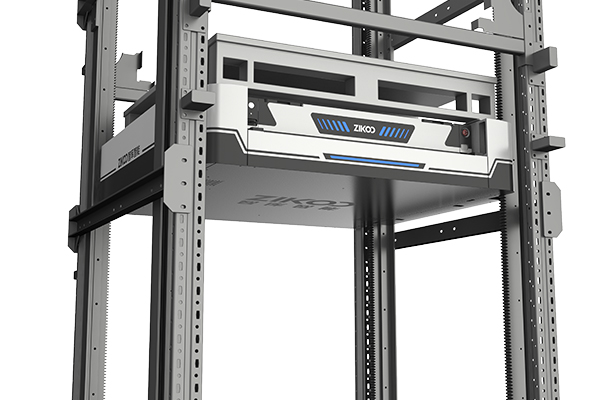
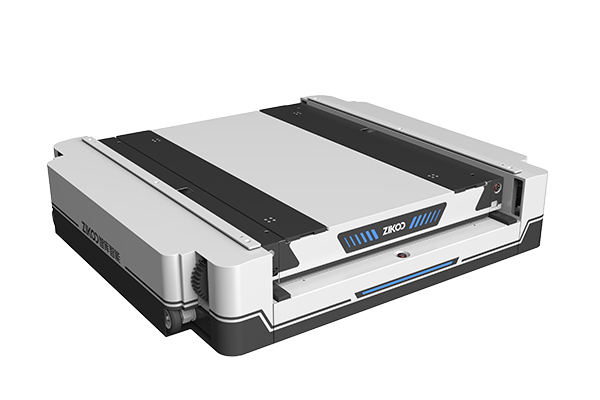
ASRS hardware selection shapes integration complexity before software comes into play. ASRS Warehouse Best>(https://www.zikooint.com/stacker-crane-vs-four-way-shuttle-which-fits-your-asrs-warehouse-best)> covers the configuration trade-offs that influence WCS mission design and throughput targets.
cURL Too many subrequests by single Worker invocation. To configure this limit, refer to https://developers.cloudflare.com/workers/wrangler/configuration/#limits
cURL Too many subrequests by single Worker invocation. To configure this limit, refer to https://developers.cloudflare.com/workers/wrangler/configuration/#limits
| Area | Qué verificar |
|---|---|
| cURL Too many subrequests by single Worker invocation. To configure this limit, refer to https://developers.cloudflare.com/workers/wrangler/configuration/#limits | cURL Too many subrequests by single Worker invocation. To configure this limit, refer to https://developers.cloudflare.com/workers/wrangler/configuration/#limits |
| cURL Too many subrequests by single Worker invocation. To configure this limit, refer to https://developers.cloudflare.com/workers/wrangler/configuration/#limits | cURL Too many subrequests by single Worker invocation. To configure this limit, refer to https://developers.cloudflare.com/workers/wrangler/configuration/#limits |
| cURL Too many subrequests by single Worker invocation. To configure this limit, refer to https://developers.cloudflare.com/workers/wrangler/configuration/#limits | cURL Too many subrequests by single Worker invocation. To configure this limit, refer to https://developers.cloudflare.com/workers/wrangler/configuration/#limits |
| cURL Too many subrequests by single Worker invocation. To configure this limit, refer to https://developers.cloudflare.com/workers/wrangler/configuration/#limits | cURL Too many subrequests by single Worker invocation. To configure this limit, refer to https://developers.cloudflare.com/workers/wrangler/configuration/#limits |
| cURL Too many subrequests by single Worker invocation. To configure this limit, refer to https://developers.cloudflare.com/workers/wrangler/configuration/#limits | cURL Too many subrequests by single Worker invocation. To configure this limit, refer to https://developers.cloudflare.com/workers/wrangler/configuration/#limits |
| Simulación | cURL Too many subrequests by single Worker invocation. To configure this limit, refer to https://developers.cloudflare.com/workers/wrangler/configuration/#limits |
| Escalabilidad | cURL Too many subrequests by single Worker invocation. To configure this limit, refer to https://developers.cloudflare.com/workers/wrangler/configuration/#limits |
| cURL Too many subrequests by single Worker invocation. To configure this limit, refer to https://developers.cloudflare.com/workers/wrangler/configuration/#limits | cURL Too many subrequests by single Worker invocation. To configure this limit, refer to https://developers.cloudflare.com/workers/wrangler/configuration/#limits |
cURL Too many subrequests by single Worker invocation. To configure this limit, refer to https://developers.cloudflare.com/workers/wrangler/configuration/#limits
cURL Too many subrequests by single Worker invocation. To configure this limit, refer to https://developers.cloudflare.com/workers/wrangler/configuration/#limits
cURL Too many subrequests by single Worker invocation. To configure this limit, refer to https://developers.cloudflare.com/workers/wrangler/configuration/#limits
cURL Too many subrequests by single Worker invocation. To configure this limit, refer to https://developers.cloudflare.com/workers/wrangler/configuration/#limits
cURL Too many subrequests by single Worker invocation. To configure this limit, refer to https://developers.cloudflare.com/workers/wrangler/configuration/#limits
Preguntas frecuentes
cURL Too many subrequests by single Worker invocation. To configure this limit, refer to https://developers.cloudflare.com/workers/wrangler/configuration/#limits
cURL Too many subrequests by single Worker invocation. To configure this limit, refer to https://developers.cloudflare.com/workers/wrangler/configuration/#limits
cURL Too many subrequests by single Worker invocation. To configure this limit, refer to https://developers.cloudflare.com/workers/wrangler/configuration/#limits
cURL Too many subrequests by single Worker invocation. To configure this limit, refer to https://developers.cloudflare.com/workers/wrangler/configuration/#limits
cURL Too many subrequests by single Worker invocation. To configure this limit, refer to https://developers.cloudflare.com/workers/wrangler/configuration/#limits
cURL Too many subrequests by single Worker invocation. To configure this limit, refer to https://developers.cloudflare.com/workers/wrangler/configuration/#limits
cURL Too many subrequests by single Worker invocation. To configure this limit, refer to https://developers.cloudflare.com/workers/wrangler/configuration/#limits
Require at least these deliverables: an interface control document, message sequence diagrams for inbound, outbound, replenishment, and exception flows, a defined data model, a simulation or emulation plan, and a service-level response for interface issues. You do not need to mandate a specific protocol as long as the supplier defines versioned, testable, and supportable interfaces.
How long should integration testing take?
The duration depends on the number of systems and the quality of the master data. A focused single-vendor ASRS integration may require several weeks of testing. A multi-vendor project with ERP, WMS, WCS, and automation equipment can take months. Only accept a go-live date after interface testing, functional testing, and a full-volume rehearsal are complete.
What happens to operations during system integration?
A phased or brownfield transition can keep parts of the warehouse operating while the new ASRS is installed and tested. The supplier should explain how existing inventory will be moved, how system cutover will run, and what manual procedures will cover the period when the old and new systems operate in parallel.
Referencias
[1] ANSI/ISA-95.00.01-2018, Enterprise-Control System Integration — Part 1: Models and Terminology, ISA.
[2] MHI Annual Industry Report 2024, The Collaborative Supply Chain: Tech Investment and Workforce Transformation, MHI/Deloitte.
[3] EN 528:2008, Rail dependent storage and retrieval equipment — Safety requirements, CEN.
[4] ISO 3691-4:2020, Industrial trucks — Safety requirements and verification — Part 4: Driverless industrial trucks and their systems, ISO.
If you’re interested, check out these related articles:
Transbordador de Seis Vías Impulsa Mejoras en el Almacén: Construyendo un Almacén Automático 3D Inteligente
Grúa apiladora vs Transbordador de cuatro vías: cuál se adapta mejor a su almacén ASRS
Transbordador de Seis Vías: La solución de doble motor para alta capacidad de transporte


