


Implementing pallet automation can significantly enhance warehouse efficiency and reduce operational costs. Selecting the right pallet automation supplier, however, extends well beyond comparing initial system costs. The decision demands thorough evaluation across multiple factors to ensure a successful long-term partnership and a solution that actually meets your strategic objectives.
What Should You Clarify Before Approaching Any Pallet Automation Supplier?
Before engaging with any potential pallet automation supplier, a clear internal assessment of your current operations and future goals is critical. Start by identifying specific pain points within your existing warehouse. Are you experiencing high labor costs, frequent errors, slow throughput, or limited storage capacity? Quantify these challenges to establish a baseline against which you can measure improvement.
Next, define your future growth aspirations. Consider projected inventory volumes, SKU diversity, and desired order fulfillment speeds. This includes evaluating the potential return on investment for automation by forecasting improvements in labor utilization, space optimization, and accuracy. A scalable and flexible system design should be a priority, allowing your automated solution to adapt to evolving business demands. Without a precise understanding of your requirements, comparing different solutions becomes speculative at best.
How Do You Verify a Pallet Automation Supplier’s Track Record?
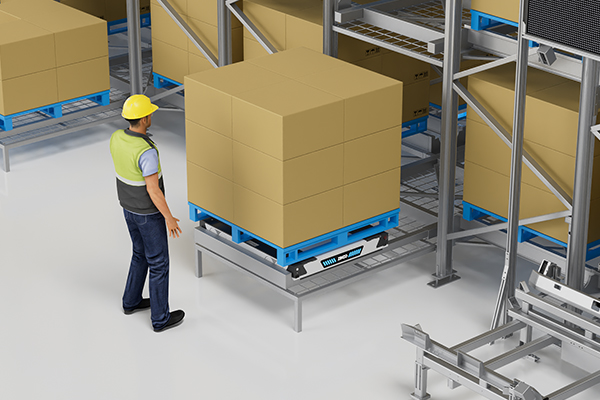
The experience and reputation of a pallet automation supplier are paramount. You need a partner with a proven history of successful implementations, especially in contexts similar to your own industrial sector. I always look for suppliers who demonstrate a deep understanding of diverse operational environments, from cold chain logistics to manufacturing. Their track record should reflect their capability to deliver complex automated storage and retrieval systems projects on time and within budget.
In a recent project for a pharmaceutical distributor, we faced stringent regulatory requirements and a need for precise temperature control. I recommended a supplier with specific experience in cold chain automation, and their ability to integrate specialized R-bot units designed for sub-zero temperatures was a deciding factor. This led to a 25% improvement in inventory accuracy and compliance with GxP standards. A robust vendor evaluation checklist should include examining case studies, client testimonials, and industry certifications. This due diligence helps confirm their adherence to industry standards and their ability to handle the intricacies of your specific application.
What Technology and Software Capabilities Matter Most in Pallet Automation?
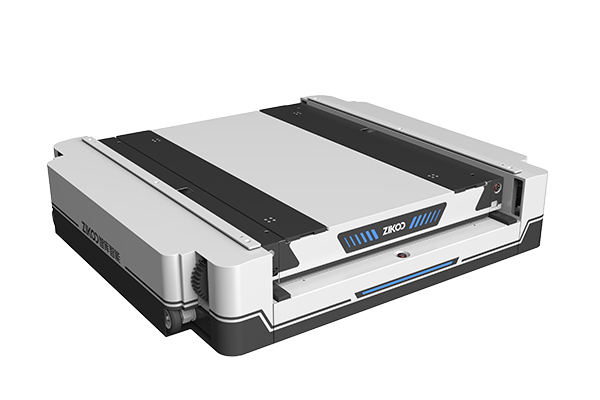
The technological capabilities of an automated pallet system, including its robotics and intelligent software, form the core of its performance. Modern pallet automation relies on advanced robotics technology in warehouses, such as omnidirectional stackers and four-way shuttles, to optimize space and throughput.
Equally important is the supplier’s software suite, including Warehouse Management System, Warehouse Execution System, Warehouse Control System, and Robot Control System. These systems must integrate seamlessly to orchestrate material flow, manage inventory, and direct robotic movements efficiently. Data analytics for warehouse optimization is also a key component, providing insights for continuous improvement.
Here is a comparison of some advanced pallet-to-person robotics:
| Robot Type | Key Feature | Load Capacity | Application Scenario |
|---|---|---|---|
| R-bot Four-way Shuttle | Dense storage, flexible four-way movement | Up to 2000 kg | Cold chain, e-commerce, manufacturing |
| H-bot Vertical Bidirectional Shuttle | Vertical transportation hub, compact layout | Up to 1800 kg | High-rack warehouses, urban centers |
| U-bot Omnidirectional Stacking Robot | Narrow aisle operation, omnidirectional movement | Up to 1000 kg | E-commerce, pharmaceutical, existing warehouses |
What factors determine the cost of a pallet automated storage system?
The cost of a pallet automated storage system is influenced by several factors, including system complexity, required storage capacity, level of automation, and integration with existing infrastructure. Customization needs, the type of robotics deployed, and the sophistication of the software also play significant roles in the overall investment.
How Should You Evaluate Implementation Support and Total Cost of Ownership?
Beyond the initial purchase, the long-term success of your pallet automation project depends heavily on the supplier’s approach to implementation, ongoing support, and the total cost of ownership. A clear implementation timeline and process are essential, detailing project milestones, installation procedures, and system commissioning.
Post-implementation support, including maintenance and support services, is equally vital. This covers everything from routine inspections to emergency repairs and software updates. Training for warehouse staff ensures your team can operate the new system effectively and safely.
When evaluating total cost of ownership, consider not just the upfront capital expenditure, but also energy consumption, spare parts, software licensing, and potential productivity gains over the system’s lifespan. If your current shortlist includes suppliers with significantly different support models, it is worth requesting detailed TCO projections from each before narrowing your decision. Future-proofing warehouse operations through modular and adaptable designs protects your investment against operational changes you cannot yet predict.
How long does it take to implement a new automated warehouse system?
Implementation timelines for a new automated warehouse system vary widely based on complexity, scale, and customization. A smaller, standardized system might take 6 to 9 months, while a large, highly customized solution with extensive integration could require 12 to 18 months or more from design to full operation.
What kind of post-sales support should I expect from an AS/RS supplier?
You should expect comprehensive post-sales support from an AS/RS supplier, including 24/7 technical assistance, preventative maintenance programs, spare parts availability, and software updates. Training for your operational staff and ongoing performance monitoring are also critical components for ensuring system longevity and efficiency.
What Makes a Pallet Automation Supplier a True Strategic Partner?
The final decision in choosing a pallet automation supplier should be viewed as forming a strategic partnership. This means selecting a supplier whose vision aligns with your long-term business goals. Consider their ability to offer customization options for automated storage and retrieval systems, whether for cold storage automation or e-commerce fulfillment automation.
The supplier should demonstrate a commitment to innovation and continuous improvement. Ultimately, the goal is to find a partner who will not only deliver a high-performing system but also provide ongoing value and support as your business evolves. This strategic alignment ensures your investment in automation yields sustained benefits and competitive advantage.
Frequently Asked Questions
What are the key benefits of integrating WMS, WES, WCS, and RCS software?
Integrating comprehensive software like WMS, WES, WCS, and RCS streamlines operations by optimizing inventory flow, coordinating robotic movements, and providing real-time data. This integration is crucial for maximizing the efficiency and responsiveness of your automated storage and retrieval systems.
How important is system scalability in pallet automation?
System scalability is paramount as it ensures your automated solution can adapt to future business growth and changing demands without requiring a complete overhaul. A flexible system design allows for easy expansion and modification, protecting your initial investment in warehouse automation.
What role does data analytics play in optimizing automated warehouses?
Data analytics provides actionable insights into warehouse performance, identifying bottlenecks, optimizing picking paths, and forecasting inventory needs. Leveraging data analytics for warehouse optimization helps continuously improve efficiency, reduce operational costs, and enhance overall productivity.
Why is supplier experience crucial for a successful AS/RS project?
An experienced supplier brings invaluable expertise in system design, integration, and problem-solving, minimizing risks and ensuring a smooth implementation. Their track record with automated storage and retrieval systems projects demonstrates their capability to deliver reliable and effective solutions. To discuss your specific requirements and explore how proven expertise applies to your situation, contact Zikoo Smart Technology at info@zikoo-int.com or (+86)-19941778955.
Six-Way Shuttle: The Dual-Engine Solution for High-D
Software-Driven Hardware: Six-Way Shuttle Maximizes Warehouse Efficiency
Six-Way Shuttle: The Smart Warehousing Tool for Cost Reduction and Efficiency 2
Six-Way Shuttle System Leads the Shift from Machines to Robots in Dense Storage Automation
Discuss Your Pallet Automation Needs
Inefficient warehouse operations and escalating labor costs do not have to hinder your growth. Zikoo Smart Technology Co., Ltd. helps global enterprises achieve supply chain efficiency and scalability through advanced pallet-to-person robotics and smart warehouse software. To discuss your automation challenges and discover tailored solutions, contact us at info@zikoo-int.com or (+86)-19941778955.


