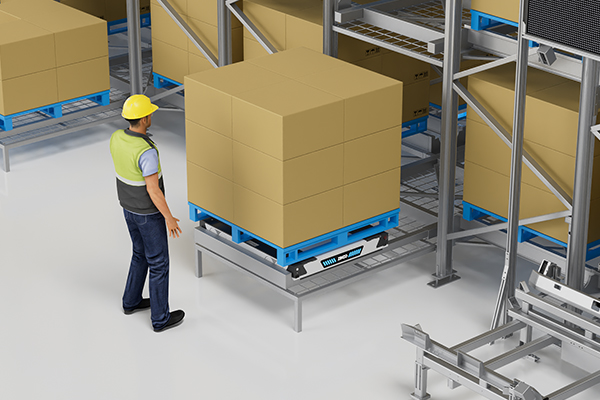
by xue | Sep 30, 2026 | Technical Articles
Standard automated storage and retrieval systems are usually engineered around common pallet footprints, moderate temperatures, and stable software interfaces. Most projects start there because standard modules reduce mechanical design time and use proven rack...
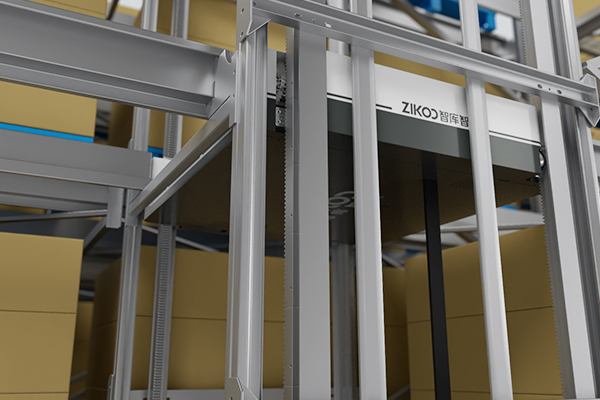
by xue | Sep 29, 2026 | Technical Articles
For e-commerce fulfillment operations, a seasonal spike is not only an order-volume event. It is a storage problem, a labor problem, and a software orchestration problem. An Automated Storage and Retrieval System (ASRS) changes how a distribution center absorbs that...
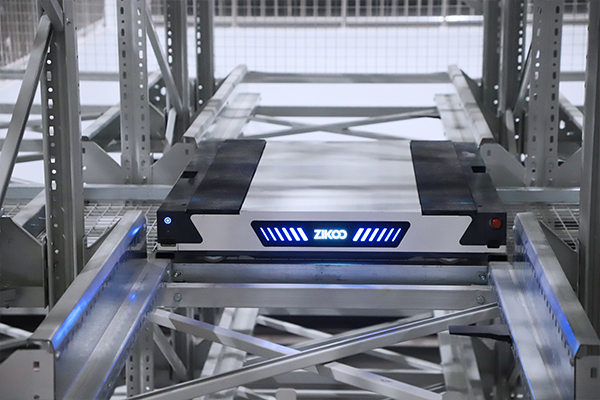
by xue | Sep 28, 2026 | Technical Articles
High SKU count warehouses look different from single-product distribution centers. Instead of moving a few pallet types in steady waves, operations must manage hundreds or thousands of SKU profiles, uneven order profiles, frequent slotting changes, slow movers, fast...
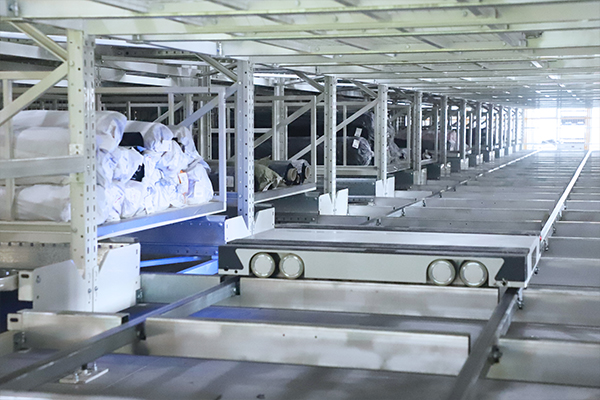
by xue | Sep 27, 2026 | Technical Articles
What “Fully Automated” Actually Means in a Pallet Warehouse Fully automated warehouses do not simply replace forklifts with robots. They combine dense pallet storage, autonomous pallet-to-person flow, and software coordination so inventory moves from receiving to...
by xue | Sep 26, 2026 | Technical Articles
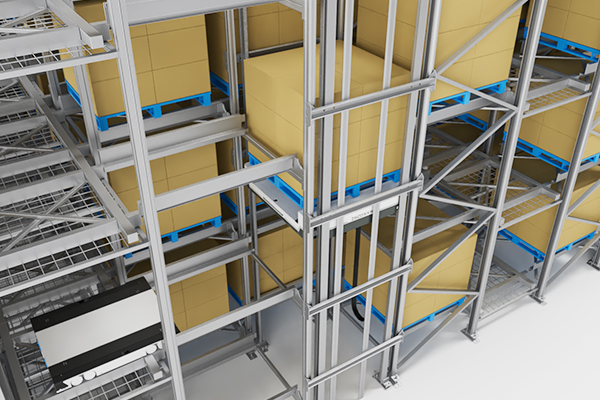
Warehouse automation has moved from a capital project for very large facilities into a practical engineering decision for operations that need more throughput without adding land. The systems that used to sit in separate categories — racking, shuttles, stacker cranes,...

by xue | Sep 25, 2026 | Technical Articles
A smart warehouse upgrade is not a single product purchase. It is a system-level change that connects storage hardware, mobile robots, control software, and operational processes. Many projects stall because the buyer starts with a specific technology before...
