


Choosing the right warehouse automation solution is not about comparing top speeds or racking costs in a brochure. I’ve seen too many operations invest in a system that looks perfect on paper, only to discover that the software can’t integrate with their existing WMS, or the supplier can’t support a genuine cold storage application. A reliable automation setup must match your throughput profile, environmental conditions, and long-term scalability needs, not just your current floorplan. In this guide, I’ll walk through the technical and strategic criteria that matter most, from evaluating your own requirements to vetting a supplier’s engineering depth, so you can make a decision that delivers value years after the installation crew leaves.
Define Your Warehouse Automation Requirements
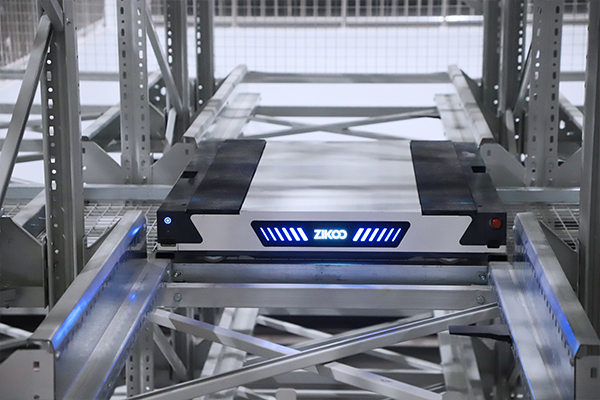
Before evaluating any technology, you need a clear, quantified profile of your operation. I typically ask three questions: What is your current and projected pallet throughput per hour? What are your storage density requirements and SKU count? And what are your environmental constraints—ambient, cold storage, or cleanroom? A four-way shuttle system can handle up to 1.5 tons per pallet and operate in temperatures as low as -15°C with the right battery configuration, but if your warehouse is a small, 500-pallet facility with manual order picking, a simpler racking system may be more appropriate. The key is to define the operational extremes—peak season throughput, maximum pallet weight, future rack height expansion—and then select a system that can meet those conditions without running at its limits. This step alone often reveals that two competing suppliers are proposing solutions for two different sets of assumptions.
Compare Key Warehouse Automation Technologies
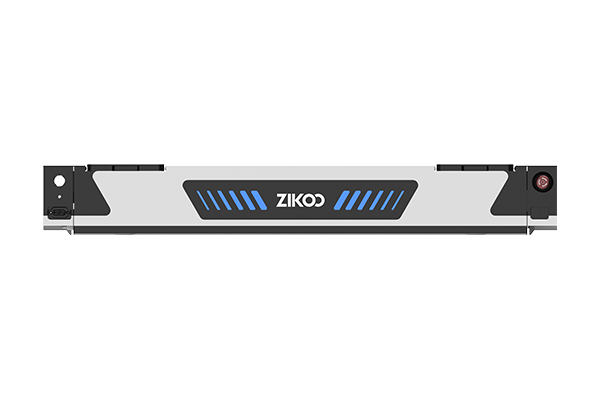
Once you have the operational profile, you can match it to the right technology class. A four-way shuttle system excels in high-density, deep-lane storage with moderate throughput, while a stacker crane AS/RS provides high throughput in dedicated aisles but at a higher cost per position. A six-way shuttle adds vertical movement within the racking, reducing the need for external conveyors and improving building utilization.
| Technology | Storage Density | Typical Throughput (Pallets/Hour) | Floor Utilization | Initial Cost |
|---|---|---|---|---|
| Four-way shuttle system | Very high (deep lanes) | 30–50 per shuttle | 60–80% | Moderate-high |
| Stacker crane AS/RS | High (dedicated aisles) | 20–35 per crane | 50–65% | High |
| AGV-based system | Medium | 10–20 per vehicle | 40–55% | Moderate |
The real differentiator, however, is the software layer. A warehouse shuttle system without an intelligent WCS that can balance workload across multiple shuttles will never reach its theoretical throughput. Our PTP Smart Warehouse Software suite coordinates R-bot shuttles, H-bot elevators, and picking stations through a unified WES/WCS, adapting in real time to inbound priority shifts. Before signing a contract, ask your supplier to simulate your specific SKU mix and daily volume. A credible supplier will show you a heat map of shuttle movements, not just a static layout drawing.
Evaluate a Supplier’s Engineering Depth
The difference between a system that runs smoothly for a decade and one that becomes a maintenance headache often comes down to the supplier’s in-house engineering team. Look for a supplier that owns the core mechatronics, battery management, and navigation algorithms, not one that subcontracts everything. Probe how they handle non-standard pallet sizes, special environmental conditions, or integration with legacy ERP systems. A supplier with deep engineering resources can build a customized pallet shuttle that fits your exact pallet dimensions and weight distribution, rather than forcing you to adapt your racking to their standard model.
In our experience, automated storage projects that fail are rarely due to a flawed robot; they fail because the software couldn’t talk to the host system, or because the site survey missed a 20mm floor deviation. Ask your potential partner to walk you through their site audit process and their failsafe protocols. If your operation involves sub-zero temperatures or washdown environments, confirm that the supplier has a tested solution for those conditions. Our R-bot shuttles, for example, use a lithium battery rated for -25°C and a specially coated PCB to withstand humidity in cold chain facilities. If your facility has unique environmental demands, reach out to our engineering team at info@zikoo-int.com to discuss a feasibility assessment.
Recognize When a Four-Way Shuttle Isn’t the Answer
Not every warehouse needs a four-way shuttle system. If you handle fewer than 5 pallets per hour, or your SKU variety is extremely low (under 50 SKUs), a basic pallet flow rack or a manual forklift operation may deliver a better ROI. Similarly, if your product weight consistently exceeds 2 tons, a heavy-duty stacker crane may be more appropriate than the 1.5-ton rating of a standard four-way pallet shuttle. I’ve seen well-meaning project teams over-spec a warehouse, pushing a full ASRS when a semi-automated solution would have been more cost-effective and easier to maintain. The right question is not “which technology is best,” but “which technology meets my operational needs with the least complexity.”
Plan for Implementation and After-Sales Support
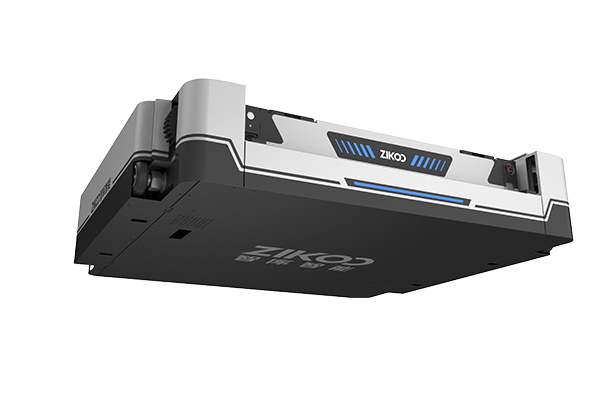
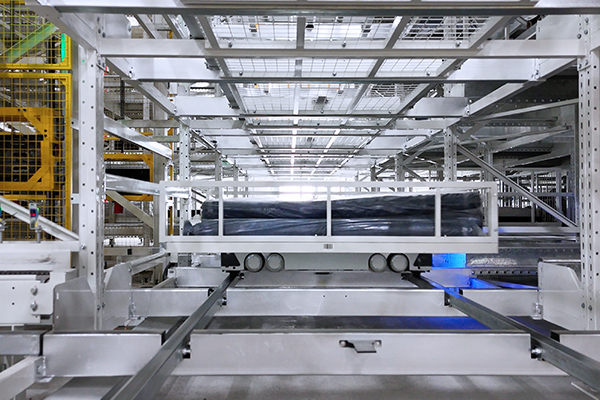
A warehouse automation project is a long-term partnership, not a one-time purchase. From the day you sign the contract, a realistic timeline for a 5,000-pallet system is about 6 months: 4 weeks for detailed system design, 10–12 weeks for manufacturing, and 6 weeks for on-site installation and commissioning. Delays usually happen because the building modifications took longer than expected, or the IT infrastructure wasn’t ready. We schedule a pre-installation site audit to catch those gaps early. After go-live, look for a supplier that provides remote monitoring and a local service team. Our PTP software platform records every shuttle movement and battery cycle, letting engineers diagnose issues before they cause downtime.
Choosing the right automation partner means looking beyond the quote. At Zikoo, we support global projects from system design through after-sales service. If you’re ready to discuss your specific warehouse automation project, reach out to our engineering team at info@zikoo-int.com or call (+86)-19941778955. Share your throughput targets, storage requirements, and environmental constraints, and we’ll provide a preliminary feasibility assessment.
Common Questions About Choosing Warehouse Automation
Is a four-way shuttle system suitable for small warehouses?
It depends on your definition of “small.” A four-way shuttle system typically requires a minimum of 2,000 pallet positions and a building height of at least 8 meters to justify the investment. For facilities with under 1,000 pallet positions, a compact omnidirectional stacker robot might be a better fit. In our experience, if your operation isn’t growing by more than 10% annually, manual racking with efficient processes can deliver a better ROI. But if you expect rapid growth, designing a scalable system from the start avoids the cost of a second migration.
How much does a typical warehouse automation system cost?
Costs vary widely based on scale, technology, and customization. A basic pallet shuttle system for a 5,000-pallet warehouse might start around $500,000, while a fully integrated ASRS with multiple shuttles, elevators, and software can exceed $2 million. The total includes hardware, software licenses, installation, and commissioning. Hidden costs often appear in building modifications, IT upgrades, and operator training. Request a detailed line-item breakdown so you can compare scope, not just a bottom-line number.
How long does implementation take?
A medium-complexity project, such as a 5,000–10,000 pallet position setup, typically takes 6–9 months from contract signing to go-live. That includes detailed design (4–6 weeks), manufacturing (10–12 weeks), and installation and commissioning (6–8 weeks). Site readiness is the biggest variable; we’ve seen delays when floor flatness didn’t meet the ±5mm tolerance that a four-way shuttle requires. Commission a site survey early to avoid that timeline risk.
Can I visit previous project sites to verify a supplier’s claims?
Yes, and you should. We encourage potential clients to visit operational sites, either in person or via virtual tour, to see the system under real workload. Ask about downtime incidents, maintenance frequency, and how the supplier handled them. A trustworthy supplier will arrange a reference visit and connect you with their existing customers without hesitation.
What are the hidden costs of warehouse automation?
Common hidden costs include: building reinforcement if the floor load capacity is insufficient, electrical upgrades for the automation equipment, additional network infrastructure for real-time communication, spare parts stock and maintenance contracts, and software integration fees when connecting with existing ERP/WMS. In our projects, we include a preliminary site survey and integration assessment in the quotation to avoid surprises. If your program has unique requirements like explosive atmospheres or washdown environments, confirm the compliance documentation early to prevent costly retrofits. Share your specifications with our team at info@zikoo-int.com, and we’ll help identify potential cost drivers before you commit to any design.
If you’re interested, check out these related articles:
Smart Warehousing Starts Here: Cost-Effective Four-Way Shuttle Systems
Six-Way Shuttle: Empowering Industries to Embrace Smart Warehousing


