


Selecting an Automated Storage and Retrieval System supplier is a strategic decision that shapes the future of your warehouse operations. It requires a meticulous assessment beyond initial cost, focusing on long-term performance, integration potential, and partnership reliability. This guide provides a structured approach for leaders to evaluate AS/RS suppliers, ensuring the chosen solution aligns with both current needs and future growth trajectories.
What Operational Needs Should Drive Your AS/RS Selection
Before engaging with any AS/RS supplier, a clear understanding of your internal operational landscape is paramount. I always advise clients to conduct a thorough internal assessment to pinpoint specific pain points, identify bottlenecks, and project future growth. This foundational step ensures that any proposed AS/RS solution truly addresses your unique challenges and contributes to your strategic objectives.
Consider your current inventory management practices, required throughput capacity, and the physical constraints of your warehouse layout. A high-volume e-commerce operation will have vastly different needs than a manufacturing plant storing raw materials. Understanding these nuances prevents misaligned investments and ensures the system delivers tangible benefits, such as improved warehouse optimization and enhanced automation benefits. The time spent mapping your current state pays dividends when you begin comparing supplier proposals against actual operational requirements rather than theoretical capabilities.
How Do You Evaluate Supplier Technology and System Capabilities
A deep dive into a supplier’s technological offerings is critical. This involves understanding the various types of AS/RS available and how their performance specifications align with your operational requirements. Automated Storage and Retrieval Systems are automated material handling systems designed for storing and retrieving items in warehouses and distribution centers. They come in various forms, including shuttle systems, crane systems, and carousel systems, each suited for different applications. We examine not only the current capabilities but also the future-proofing aspects, such as scalability and flexibility. Energy efficiency and safety features are also important considerations, impacting both operational costs and workplace well-being.
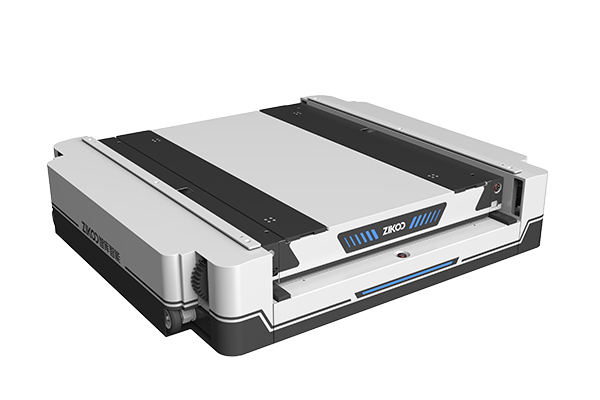
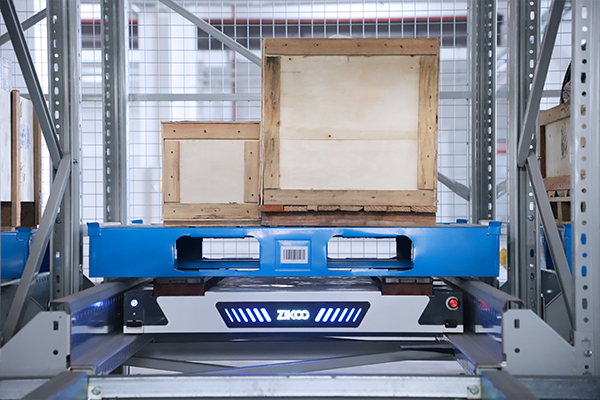
Zikoo Smart Technology Co., Ltd. offers a range of pallet-to-person robotics designed for high-density storage and efficient material flow. Our R-bot Four-way Shuttle is optimized for dense storage scenarios, offering flexible four-way movement and multi-shuttle collaborative operation. The H-bot Vertical Bidirectional Shuttle serves as a vertical transportation hub, creating a three-dimensional warehousing network when combined with R-bots. For narrow aisle environments, the U-bot Omnidirectional Stacking Robot provides exceptional maneuverability and lifting heights up to 8 meters.
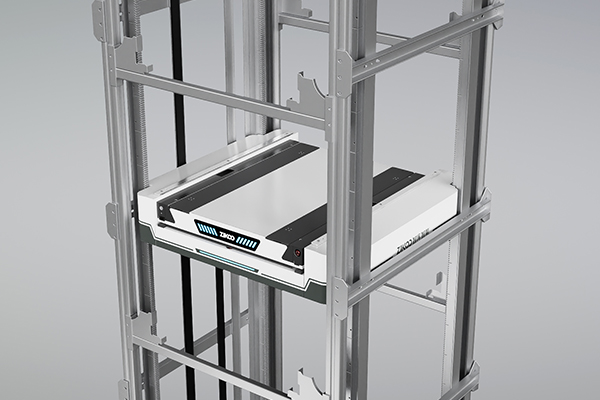
To illustrate the diversity in AS/RS technology, consider the following examples from our product line:
| Robot Type | Key Feature | Load Capacity | Application Scenario |
|---|---|---|---|
| R-bot Four-way Shuttle | Pallet-to-person dense storage, four-way movement | Up to 2000 kg | E-commerce, cold chain, manufacturing |
| H-bot Vertical Bidirectional Shuttle | Vertical transportation, six-way shuttle integration | Up to 1800 kg | High-rack warehouses, urban logistics |
| U-bot Omnidirectional Stacking Robot | Narrow aisle operation (2100 mm), high lifting height | Up to 1000 kg | E-commerce, pharmaceuticals, existing warehouse renovation |
These systems are designed with customization options to meet specific throughput capacity and storage density requirements.
What Software Integration Capabilities Should You Prioritize
The true intelligence of an AS/RS lies in its software. Robust software and seamless integration with your existing IT infrastructure are the backbone of efficient operations. This impacts real-time visibility, data-driven decision-making, and overall warehouse performance.
Key software capabilities include Warehouse Management Systems (WMS), Warehouse Execution Systems (WES), Warehouse Control Systems (WCS), and Robot Control Systems (RCS). A WMS manages inventory and order fulfillment, a WES optimizes workflows, a WCS directs automated equipment, and an RCS controls individual robots. These systems must communicate effectively to ensure a cohesive and optimized material flow. When evaluating suppliers, I pay close attention to how their software handles exceptions and edge cases, not just the standard operating procedures.
Zikoo’s PTP Smart Warehouse Software suite, encompassing WMS, WES, WCS, and RCS, provides a comprehensive platform for intelligent warehouse management. It ensures seamless control and optimization of automated systems, offering advanced data analytics and reporting features. This allows for continuous monitoring of performance metrics and proactive adjustments. We prioritize system integration, offering flexible APIs and middleware solutions to connect with diverse legacy systems. This approach supports a clear technology roadmap and addresses concerns like cybersecurity, ensuring your data remains secure and accessible.
Why Does Supplier Track Record Matter for Long-Term Success
Mitigating risks in AS/RS implementation involves selecting a supplier with a proven history of successful projects. I always look for a supplier’s track record, seeking evidence of successful implementations and positive case studies and references. Beyond the initial deployment, post-implementation support, including maintenance requirements and after-sales service, is equally important. A reliable AS/RS supplier acts as a long-term partner, offering ongoing support and system evolution.
I recall a project where a client initially underestimated the importance of post-implementation training for their new automated system. Our team observed a significant dip in system efficiency during the first month, with throughput 20% lower than projected. After we conducted a targeted, hands-on training program for their warehouse staff, system efficiency improved by 30% within the next two months. This experience reinforced my belief that strong ongoing support is not just a convenience, but a critical factor in achieving the expected return on investment. Evaluating a supplier’s global presence and contract negotiation terms helps ensure consistent service delivery and clear accountability.
How Should You Calculate Total Cost of Ownership for AS/RS
Understanding the financial implications of an AS/RS implementation goes beyond the upfront capital expenditure. A comprehensive financial analysis must include the total cost of ownership (TCO). This encompasses initial investment, operational costs (energy, labor, maintenance), and expected return on investment. We consider factors like implementation timeline, potential for labor savings, and improved inventory accuracy. A detailed cost-benefit analysis helps justify the investment and provides a clear picture of the long-term financial viability.
| TCO Component | Description | Impact on ROI |
|---|---|---|
| Initial Investment | Hardware, software, installation, commissioning | High upfront cost, amortized over system lifespan |
| Operational Costs | Energy consumption, routine maintenance, spare parts | Ongoing expense, can be optimized with efficient systems |
| Labor Savings | Reduced manual labor, increased productivity | Significant long-term benefit, justifies automation |
| Training & Support | Staff training, ongoing technical assistance | Ensures system uptime and optimal performance |
| System Upgrades | Future software/hardware enhancements | Maintains competitive edge, extends system life |
If your evaluation involves multiple supplier proposals with different system architectures, it is worth discussing how each configuration affects these TCO components before committing to a final selection.
Frequently Asked Questions
What are the key performance indicators for an AS/RS
Key performance indicators for an AS/RS typically include throughput rate (items per hour), storage density achieved, inventory accuracy levels, and system uptime. Monitoring these metrics provides a clear picture of the system’s efficiency and its contribution to overall operational goals. Consistent tracking helps ensure the system delivers expected benefits.
How long does it take to implement an AS/RS solution
The implementation timeline for an AS/RS solution varies significantly based on system complexity, warehouse size, and customization requirements. Simple systems might take 6-9 months, while large-scale, highly integrated projects can extend to 18 months or more. Thorough planning and a clear project scope are crucial for timely deployment.
What are the hidden costs of AS/RS ownership
Hidden costs of AS/RS ownership often include unexpected maintenance for wear-and-tear parts, software license renewals, and potential integration challenges with new IT systems. Energy consumption can be higher than anticipated if not properly modeled, and the cost of specialized training for new staff can add up over time. To discuss specific requirements and get a clearer picture of total ownership costs for your situation, contact us at info@zikoo-int.com or (+86)-19941778955.
If you’re interested, you may want to read the following articles:
How to Choose the Right Pallet Shuttle System for Your Warehouse
Understanding AS/RS System Types and Their Applications
Warehouse Automation ROI Calculator Guide
Six-Way Shuttle: Pioneering the Future of Smart Warehousing
Six-Way Shuttle System Leads the Shift from Machines to Robots in Dense Storage Automation


