


E-commerce growth across Southeast Asia has pushed warehouse operations into unfamiliar territory. Storage density matters more than it used to. Order windows keep shrinking. Labor markets have tightened in ways that make automation less of a luxury and more of a practical necessity. Four-way shuttle systems sit at the center of this shift, and finding the right distribution partners in the region requires more than a vendor list. It requires understanding what actually works on the ground.
Why Four Way Shuttle Systems Make Sense for Southeast Asian Operations
Automated storage retrieval systems (ASRS) have gained traction across Southeast Asia for reasons that go beyond trend-following. Labor costs have climbed steadily. Warehouse footprints remain constrained in urban logistics hubs. Supply chain disruptions over the past few years exposed vulnerabilities that manual operations struggle to address.
Four-way shuttle systems handle these pressures well. They pack more inventory into less space. They move pallets faster than conventional systems. For operations juggling omnichannel fulfillment, that speed and density combination becomes hard to ignore.
What Four Way Shuttle Systems Actually Deliver
The practical benefits show up in measurable ways. Storage configurations can go deeper and higher than traditional racking allows. Inventory tracking improves because automated systems reduce the human error that creeps into manual counts. Operational costs drop when fewer people need to handle each pallet.
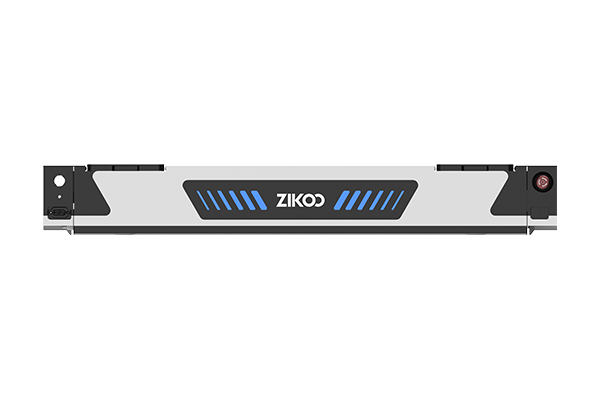
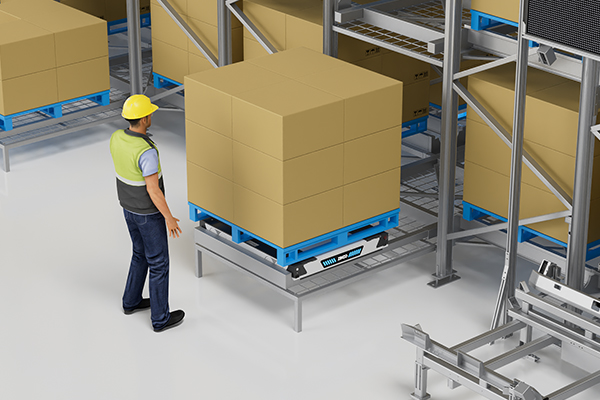
Zikoo’s R-bot Four-Way Shuttle handles dense storage and pallet-to-person workflows. The four-way movement lets multiple shuttles work together without blocking each other, which matters when you’re dealing with mixed SKU environments and palletized goods of varying sizes.
| KPI Improved | Description | Impact in Southeast Asia |
|---|---|---|
| Space Utilization | Maximize vertical and horizontal storage density. | Up to 80% increase in storage capacity. |
| Throughput | Faster retrieval and put-away cycles. | 2-3x increase in operational speed. |
| Labor Efficiency | Reduce manual handling and associated costs. | Significant reduction in labor dependency. |
| Inventory Accuracy | Automated tracking minimizes errors. | Near real-time inventory visibility. |
| Scalability | Easily expand system capacity as needs grow. | Adaptable to fluctuating market demands. |
R-bot Four Way Shuttle Specifications Worth Knowing
The R-bot’s 125 mm profile allows tighter vertical spacing between storage levels. That slim design translates directly into more usable storage height within the same building envelope. Load capacity reaches 1.5 tons on standard models, covering most pallet configurations.
The system connects with PTP Smart Warehouse Software for autonomous handling decisions. Several model variants exist: Standard, American, Japanese, and Heavy-duty types. Empty speeds hit 1.6 m/s, loaded speeds reach 1.2 m/s. The Heavy-duty Large Pallet Type (R2000B) handles loads up to 2000 kg. Cold storage applications work down to -15℃, and lithium batteries provide 7-8 hours of continuous operation between charges.
Finding Distributors Who Can Actually Support These Systems
The technology only performs as well as the local support behind it. Distributors need more than sales capability. They need installation expertise, integration experience, and service infrastructure that can respond when something goes wrong at 2 AM on a Tuesday.
Regional knowledge matters here. Business practices vary between Singapore and Indonesia. Regulatory requirements differ. A distributor who understands these nuances will navigate implementations more smoothly than one learning on the job.
What to Look for in a Distribution Partner
Start with regional experience. How long have they operated in the specific markets you’re targeting? Do they understand local labor regulations, import procedures, and building codes that affect warehouse installations?
Technical depth comes next. Can they integrate automated storage retrieval systems with existing warehouse management software? Do they have engineers who can troubleshoot mechanical and software issues without waiting for overseas support?
Financial stability indicates staying power. A distributor who might not exist in three years creates risk for ongoing maintenance and spare parts access. Check their customer base and ask about after-sales service infrastructure. References from existing clients reveal more than marketing materials ever will.
Where the Demand Concentrates
Southeast Asia isn’t monolithic. Different markets show different readiness levels and growth trajectories.
Singapore’s logistics infrastructure already supports advanced automation. Companies there often lead regional adoption because the ecosystem can handle sophisticated systems.
Malaysia and Thailand have invested heavily in warehouse automation to support manufacturing sectors and e-commerce expansion. The infrastructure exists, and the business case has become clearer.
Vietnam and Indonesia represent earlier-stage opportunities. E-commerce growth has been explosive, and logistics infrastructure development is catching up. These markets may require more patience but offer significant scale.
Integration and Support Determine Long Term Success
Getting the hardware installed is one milestone. Keeping it running efficiently over years of operation is another challenge entirely.
Distributors need to handle system integration with existing warehouse management platforms. The R-bot Four-Way Shuttles should communicate seamlessly with inventory systems, order management software, and facility controls. Poor integration creates bottlenecks that undermine the efficiency gains the automation was supposed to deliver.
Maintenance programs, spare parts availability, and local technical support determine whether downtime stays measured in hours or stretches into days. Staff training ensures operators can handle routine issues without escalating every problem to external support teams.
Common Questions About Four Way Shuttle Systems
What are the benefits of four way shuttle systems for Southeast Asian warehouses?
Four-way shuttle systems, like Zikoo’s R-bot, address several pressure points common across Southeast Asian operations. They increase storage capacity within existing footprints, speed up retrieval and put-away cycles, reduce labor requirements, and improve inventory accuracy. The flexibility to handle diverse pallet types and adapt to changing demand patterns makes them practical for the region’s fast-moving e-commerce environment.
How do I choose the right four way shuttle system distributor in Southeast Asia?
Evaluate distributors on regional experience, technical capability, and service infrastructure. Look for partners who understand local business practices and regulations. Assess their track record with similar installations, their financial stability, and their commitment to after-sales support. A strong local presence typically indicates better responsiveness when issues arise.
What kind of after sales support should I expect from a four way shuttle system supplier?
Expect local technical assistance, spare parts availability, scheduled maintenance programs, software updates, and operator training. A supplier committed to long-term customer success will have service infrastructure in place before selling systems, not scrambling to build it afterward. This support structure directly affects system uptime and the return on your automation investment.
Work with Zikoo Smart Technology
Zikoo Smart Technology’s R-bot Four-Way Shuttle systems bring proven automation capability to Southeast Asian warehouse operations. Reach out at info@zikoo-int.com or (+86)-19941778955 to discuss distribution partnerships or connect with existing Zikoo partners in your region.


