


Keeping a fleet of four-way shuttles running smoothly in a high-density warehouse is one of those things that sounds straightforward until you’re staring at a stopped robot during peak season. The mechanical complexity of these systems, combined with the software layer that coordinates everything, means small issues can cascade quickly if left unaddressed. Zikoo Smart Technology has built its maintenance approach around this reality, offering services for the R-bot Four-Way Shuttle that focus on catching problems early and keeping throughput consistent.
Maintenance Planning Changes How Automated Warehouses Operate
Treating four-way shuttle maintenance as an afterthought creates a pattern most warehouse operators recognize: everything runs fine until it doesn’t, and then the scramble begins. Shifting to a structured maintenance approach changes this dynamic fundamentally.
Preventing Downtime Before It Happens
The logic behind proactive four-way shuttle maintenance is simple, but executing it well requires discipline. Regular inspections catch worn bearings before they seize. Timely component swaps prevent the kind of cascading failures where one broken part damages three others. Continuous system optimization keeps the robots operating within their designed parameters rather than drifting toward the edges where problems develop.
For the R-bot Four-Way Shuttle specifically, this translates to consistent throughput numbers month after month. Warehouse automation uptime becomes predictable rather than something you hope for. The operational disruptions that come from unexpected failures, the rushed parts orders, the overtime for technicians, the backed-up orders, all of this becomes much less common when maintenance happens on a schedule rather than in response to breakdowns.
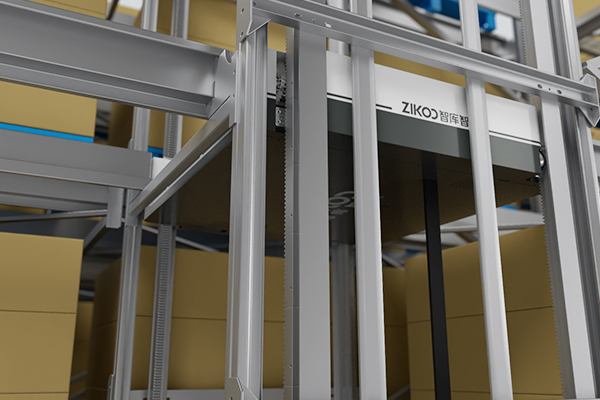
The financial case for structured maintenance programs extends beyond avoiding emergency repair costs, though those savings are real. Equipment that receives proper care simply lasts longer. The initial investment in R-bot Four-Way Shuttle systems spreads across more years of productive operation. Spare parts inventories can be leaner because you’re replacing components on a schedule rather than keeping extras on hand for every possible failure mode. This approach to robotics system longevity affects the total cost of ownership in ways that compound over time.
What Zikoo’s Maintenance Services Actually Include
The maintenance program for R-bot Four-Way Shuttles combines scheduled physical inspections with data-driven monitoring. Neither approach alone captures everything, so both work together.
Scheduled Inspections and Preventive Work
The preventive maintenance programs follow a structured calendar. Technicians work through the mechanical systems systematically, checking components that experience wear during normal operation. Motors, wheels, and bearings get inspected quarterly. Sensors that handle positioning and proximity detection need calibration twice a year to maintain the accuracy the R-bot depends on for safe, precise movement.
| Maintenance Task | Frequency | Key Components Checked | Expected Outcome |
|---|---|---|---|
| Mechanical Inspection | Quarterly | Motors, Wheels, Bearings | Reduced friction, extended component life |
| Sensor Calibration | Bi-annually | Proximity, Positioning | Enhanced accuracy, improved safety |
| Battery Health Check | Monthly | Voltage, Capacity, Cycle | Optimized charge cycles, consistent power |
| Software Diagnostics | Quarterly | Firmware, System logs | Early detection of anomalies, smooth operation |
| Structural Integrity Check | Annually | Chassis, Load Platform | Prevention of structural fatigue |
Battery health checks happen monthly because lithium-ion cells degrade in ways that affect performance before they fail completely. Catching capacity loss early means you can plan replacements rather than discovering a robot that won’t hold a charge during a busy shift.
Using Operational Data to Predict Problems
The predictive maintenance side of the program relies on the data streams that R-bot Four-Way Shuttles generate during operation. Motor current draws, component temperatures, battery discharge patterns, and movement timing all get captured and analyzed through the PTP Smart Warehouse Software.
The value here comes from pattern recognition. A motor that’s starting to fail often shows subtle changes in current draw weeks before it actually stops working. Temperature readings that trend upward over time can indicate bearing wear or lubrication breakdown. By watching these indicators, maintenance can be scheduled for the exact moment it’s needed, not too early, which wastes resources, and not too late, which risks failure. This kind of performance optimization through data analysis represents a significant shift from traditional maintenance approaches.
Parts, Software, and Specialized Knowledge
Physical inspections and data monitoring address most maintenance needs, but three other elements matter for long-term reliability: genuine parts, current software, and people who understand these specific systems.
Why Genuine Parts Matter for Four-Way Shuttles
The R-bot Four-Way Shuttle uses components designed to work together within specific tolerances. Third-party parts might fit physically but behave differently under load or over time. Zikoo maintains inventory of genuine spare parts specifically to avoid the compatibility issues that can arise with substitutes. When a component needs replacement, having the right part available quickly minimizes how long that robot stays out of service.
Keeping Software and Calibration Current
Software updates for the PTP Smart Warehouse Software and R-bot firmware serve multiple purposes. Some updates improve performance or add capabilities. Others address security vulnerabilities that emerge over time. Firmware upgrades can optimize how the robots handle specific movement patterns or load types.
System calibration complements these software updates by ensuring the physical behavior matches what the software expects. Sensors drift over time. Mechanical components settle into slightly different positions as they wear. Periodic calibration brings everything back into alignment, maintaining the precision that automated warehouse operations depend on. These system upgrades keep the equipment performing as designed rather than gradually degrading.
The Practical Benefits of Consistent Maintenance
Regular four-way shuttle maintenance produces measurable improvements in how automated warehouses perform. These benefits show up in operational metrics and financial results.
Keeping Operations Running
The most immediate benefit is uptime. Robots that receive regular maintenance break down less often. When maintenance happens on a schedule, it can be planned around operational needs rather than forcing emergency shutdowns during peak periods. This operational continuity means more consistent throughput and fewer of the cascading delays that ripple through supply chains when warehouse systems go down unexpectedly.
Getting More Years from the Equipment
Equipment lifespan extension follows naturally from proper care. The R-bot Four-Way Shuttle represents a significant capital investment, and spreading that investment across more years of productive operation improves the return on investment substantially. Components that might fail at year five with minimal maintenance can often run to year ten or beyond with proper attention. This asset protection approach treats the robots as long-term infrastructure rather than consumable equipment.
How Zikoo Structures Maintenance Support
Different warehouse operations have different needs, and the maintenance support structure reflects this reality.
Flexible Service Arrangements
Service contracts can be configured to match specific operational requirements. Some facilities need comprehensive coverage with regular on-site visits. Others prefer a lighter touch with on-demand support available when needed. The flexibility in structuring these arrangements means you’re not paying for services you don’t need while still having access to expertise when situations arise.
The on-demand support component matters for issues that fall outside scheduled maintenance. When something unexpected happens, having access to technicians who know the R-bot Four-Way Shuttle specifically, rather than general industrial equipment technicians, makes a significant difference in how quickly problems get resolved.
Training Your Team
Operator training programs transfer knowledge to the people who work with the robots daily. This covers proper operation procedures and basic maintenance tasks that don’t require specialized technicians. Staff who understand how the systems work can handle minor adjustments, recognize early warning signs of problems, and maintain safe robotics operation practices.
The safety protocols component of training matters both for preventing accidents and for maintaining compliance with workplace safety requirements. Automated systems operating alongside human workers require clear procedures and consistent practices.
Why Generic Maintenance Falls Short for Warehouse Robotics
Four-way shuttle systems like the R-bot combine mechanical complexity with sophisticated software in ways that general industrial maintenance approaches don’t address well. The electromechanical components interact with sensor arrays and control software in specific ways. Understanding these interactions requires familiarity with the particular system, not just general robotics knowledge.
Technicians who work specifically with warehouse robotics understand the diagnostic procedures, the common failure modes, and the operational parameters that matter for these applications. This expertise prevents the situation where a minor issue gets misdiagnosed or improperly addressed, turning a simple fix into a major repair. The unique challenges of maintaining automated warehouse systems justify the specialized approach.
Frequently Asked Questions About Four-Way Shuttle Maintenance
What is the typical lifespan of a four-way shuttle system with proper maintenance?
R-bot Four-Way Shuttle systems following Zikoo’s recommended maintenance schedules typically achieve 10-15 years of operational service, sometimes longer. The actual lifespan depends on operating conditions and intensity of use, but consistent maintenance significantly extends robotics equipment longevity compared to reactive approaches.
How do maintenance services impact the ROI of automated warehousing?
Maintenance affects ROI through multiple channels. Reduced emergency repairs lower direct costs. Extended equipment lifespan spreads capital investment across more productive years. Higher uptime means more consistent throughput. Together, these factors improve the financial returns from automated warehousing investments substantially.
Are there remote maintenance options for Zikoo’s four-way shuttle equipment?
The PTP Smart Warehouse Software includes remote monitoring and diagnostic capabilities that support telemaintenance for many situations. Technicians can identify issues, analyze system behavior, and sometimes resolve problems without traveling to the site. This reduces response time and minimizes the need for on-site visits for issues that can be addressed remotely.
Ensure the peak performance and longevity of your automated warehouse operations with Zikoo Smart Technology. Our comprehensive maintenance services for U-bot Omnidirectional Stacker Robots, R-bot Four-Way Shuttle, and H-bot High-Speed Elevators, integrated with our PTP Smart Warehouse Software, are designed to maximize your uptime and ROI. Don’t let unexpected downtime impact your productivity. Contact Zikoo Smart Technology Co., Ltd. today for a personalized consultation on optimizing your robotics maintenance strategy. Reach out via info@zikoo-int.com or call (+86)-19941778955 to discuss how our expert team can support your advanced automation needs.


