


Australian warehouses deal with a tough combination: expensive land and not enough workers. Getting pallet storage right isn’t optional anymore—it’s what keeps logistics operations viable. Automated storage and retrieval systems offer a real path forward, turning conventional warehousing into something that actually works harder per square meter. What follows looks at how four-way shuttle technology tackles these problems head-on, boosting both storage density and throughput across Australian supply chains.
Optimizing Pallet Storage in Australia with Four-Way Shuttle Technology
The logistics sector here keeps getting squeezed from multiple directions. Real estate costs mean every square meter needs to earn its keep. Finding reliable warehouse staff has become genuinely difficult, pushing more operations toward automation whether they planned to or not. Four-way shuttles deliver noticeably higher storage density than conventional pallet racking. These systems cut dependence on manual forklifts, which improves both safety records and goods movement speed. The shift toward automated storage and retrieval systems is changing how warehouses operate across the country.
| Feature | Traditional Warehouse Layout | Four-Way Shuttle Warehouse Layout |
|---|---|---|
| Space Utilization | Low to Medium | High (30-50% more) |
| Aisle Requirement | Wide aisles for forklifts | Minimal aisles, deep lane storage |
| Throughput | Moderate | High |
| Labor Dependency | High | Low |
| Flexibility | Limited | High (omnidirectional movement) |
| Scalability | Moderate | High |
Understanding Four-Way Shuttle Technology and How It Works
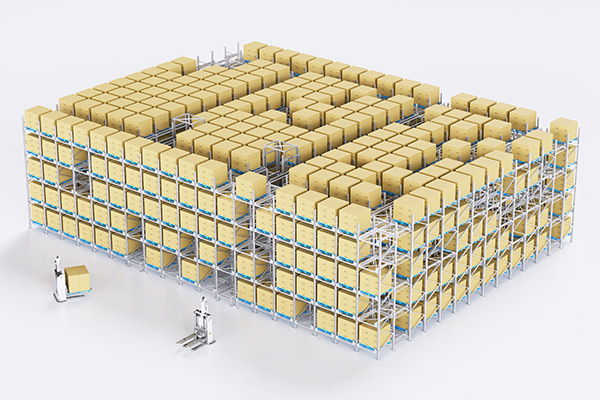
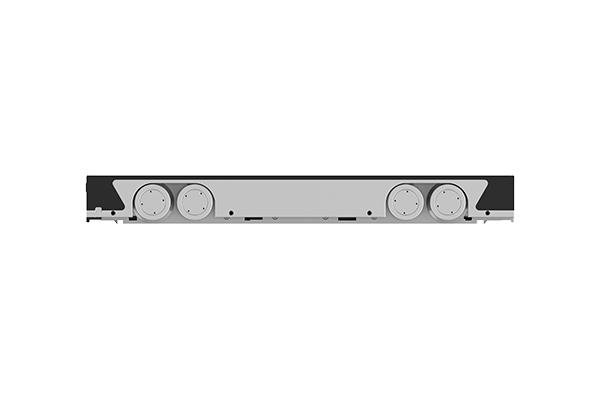
Four-way shuttle technology marks a genuine step forward in automated material handling. These robots move in all four directions within racking structures. That omnidirectional capability sets them apart from traditional two-way shuttles, which can only travel back and forth along a single axis. Zikoo’s R-bot Four-way Shuttle has a slim 125 mm body and handles loads up to 1.5 tons. It works with various pallet sizes: 1200 × 800–1000 mm, 1016 × 1219 mm (American type), and 1100 × 1100 mm (Japanese type). Pair it with the H-bot Vertical Bidirectional Shuttle and you get a six-way shuttle system that creates a three-dimensional storage network. This combination enhances goods-to-person operations and opens up scalable options for different industries.
What are the key considerations when investing in a four-way shuttle for Australian operations?
A few things matter when evaluating these systems for Australian conditions. Temperature range is one—Zikoo’s R-bot operates down to -15℃, with specialized cold chain versions rated for -25℃. Regulatory compliance with Australian safety standards needs checking early in the process. Integration with your existing warehouse management system determines how smoothly everything runs once installed. Local support availability affects how quickly problems get solved when they come up.
For more information on how advanced shuttle systems can revolutionize your warehouse, read our article: 《Smart Storage Revolution: Comprehensive Overview of Four-Way Shuttle Systems for Automatic 3D Warehouses》.
Integrating Four-Way Shuttles with Existing Warehouse Systems
Getting automation to work with what you already have matters more than people sometimes realize. Zikoo’s R-bot is built to fit into existing warehouse setups. The PTP Smart Warehouse Software (WMS/WES/WCS/RCS) coordinates all the automation pieces, handling data exchange and keeping operations synchronized. This software suite manages inventory, directs robot movements, and fine-tunes workflows. It works with various racking types, allowing modular expansion without ripping everything out and starting over. The approach keeps disruption manageable while upgrading to automated material handling.
How does a four-way shuttle system integrate with existing warehouse infrastructure?
The modular design makes integration practical. These systems work with various existing racking types, often needing only minor modifications. Software does the heavy lifting: the warehouse management system orchestrates shuttles, vertical conveyors, and other automated equipment. This software-driven approach lets the new four-way shuttle system operate within your current logistics framework without major upheaval.
ROI and Long-Term Benefits of Warehouse Automation
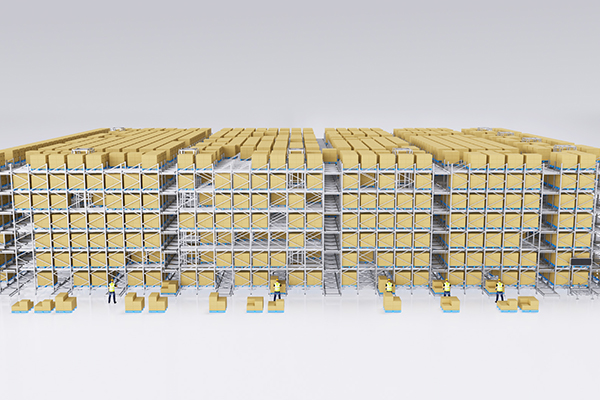
The numbers on automated pallet storage tend to work out favorably for Australian operations. Labor costs drop when repetitive tasks get automated, which also helps with the staffing challenges most warehouses face. Throughput increases because material handling speeds up and becomes more consistent. Space utilization improvements of 30-50% reduce pressure to lease additional warehouse space. Inventory accuracy gets better, cutting down on errors and stockouts. These factors combine to produce returns that justify the upfront investment. The scalability also matters—systems can grow with demand rather than requiring complete replacement.
| Benefit | Description | Impact on Australian Warehouses |
|---|---|---|
| Reduced Labor Costs | Automation minimizes reliance on manual labor for repetitive tasks. | Addresses labor shortages. |
| Increased Throughput | Faster, more efficient storage and retrieval cycles. | Boosts operational speed. |
| Optimized Space Utilization | High-density storage maximizes existing warehouse footprint. | Lowers real estate costs. |
| Improved Inventory Accuracy | Automated tracking reduces errors and enhances visibility. | Minimizes stockouts and waste. |
| Enhanced Safety | Reduces human interaction with heavy machinery. | Improves workplace safety. |
| Scalability | Systems can be expanded to meet future growth requirements. | Future-proofs operations. |
For a deeper dive into the financial implications and operational advantages, consider reading: 《Six-Way Shuttle: The Smart Warehousing Tool for Cost Reduction and Efficiency》.
What is the typical ROI for automated pallet storage solutions in Australia?
Payback periods generally fall between 18 and 36 months, though specific results depend on several variables. Initial investment size, automation scope, and the operational savings achieved all influence the timeline. Labor cost reductions, increased storage capacity, and throughput improvements tend to be the biggest contributors to rapid returns.
Choosing Your Partner for Four-Way Shuttle Solutions in Australia
Who you work with on implementation affects outcomes significantly. Proven experience with automated storage and retrieval systems matters. Comprehensive service coverage—from initial consultation through system design, installation, and ongoing support—separates capable partners from those who just sell equipment. Local support availability keeps downtime manageable. Zikoo Smart Technology Co., Ltd. specializes in pallet-to-person robotics, offering the R-bot Four-way shuttle and PTP Smart Warehouse Software. The focus is on reliable technology, consistent performance, and support that continues after installation.
Frequently Asked Questions About Four-Way Pallet Shuttles in Australia
What are the primary safety considerations for implementing a four-way shuttle system in an Australian warehouse?
Four-way shuttle systems like Zikoo’s R-bot reduce safety risks by limiting human interaction with heavy machinery. Implementation should address integration with existing safety protocols, emergency stop systems, sensor-based obstacle detection, and compliance with Australian workplace health and safety standards. Zikoo’s systems include advanced safety features designed to protect both personnel and goods.
Can Zikoo’s four-way shuttle solutions be integrated with existing warehouse management systems (WMS) in Australia?
Zikoo’s PTP Smart Warehouse Software (WMS/WES/WCS/RCS) is designed to work with a range of existing warehouse management systems. The integration process involves close collaboration to ensure smooth data exchange and operational coordination, allowing the R-bot Four-way shuttle to function within your current logistics setup.
How does a four-way shuttle system improve space utilization compared to traditional pallet racking in Australian facilities?
Four-way shuttles enable deep lane storage and eliminate the wide aisles that forklifts require. Omnidirectional movement allows for dense storage configurations that often increase capacity by 30-50% within the same footprint. That matters quite a bit in markets where warehouse space commands premium prices.
What kind of maintenance and support does Zikoo offer for its four-way shuttle systems in Australia?
Zikoo provides comprehensive maintenance and support including remote diagnostics, preventative maintenance schedules, spare parts availability, and technical assistance. While primary operations are based in China, local partnerships and detailed support channels help maintain optimal performance and minimize downtime for Australian clients.
Is the R-bot Four-Way Shuttle suitable for cold storage environments common in Australian food and beverage logistics?
The R-bot Four-way shuttle handles cold storage and freezer applications reliably. Its design and specialized components maintain consistent performance in demanding temperature conditions, making it a practical choice for Australian food and beverage operations as well as pharmaceutical logistics.
Transform Your Australian Warehouse Operations
Ready to transform your Australian warehouse operations with cutting-edge pallet-to-person robotics? Zikoo Smart Technology Co., Ltd. is a global leader in automated storage and retrieval systems, including the advanced R-bot Four-way shuttle and comprehensive PTP Smart Warehouse Software. Contact our experts today for a personalized consultation and discover how Zikoo’s innovative solutions can optimize your logistics and drive unparalleled efficiency. Reach out via info@zikoo-int.com or call (+86)-19941778955.


