


Selecting a four-way shuttle system manufacturer is not a vendor decision; it is a system integration decision. A shuttle that performs well on paper can fail on site when the control software, rack interface, and commissioning process do not match your warehouse constraints. After more than ten years in pallet-to-person robotics, I would rather see a buyer spend two extra weeks auditing system design than comparing device prices too early. This checklist separates manufacturers that can deliver a stable installation from those that can only ship hardware.
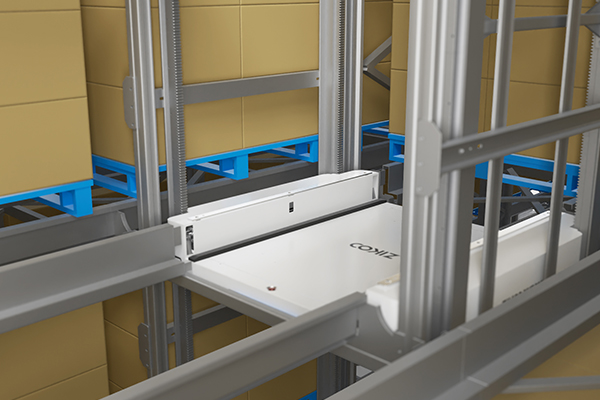
Four-way shuttle architecture and rack interface
A four-way shuttle does not work as an isolated robot. It runs inside a rack structure, on rails that define lane width, level tolerance, and pallet positioning. Before comparing suppliers, we check three interfaces: pallet type, rack tolerance, and throughput path.
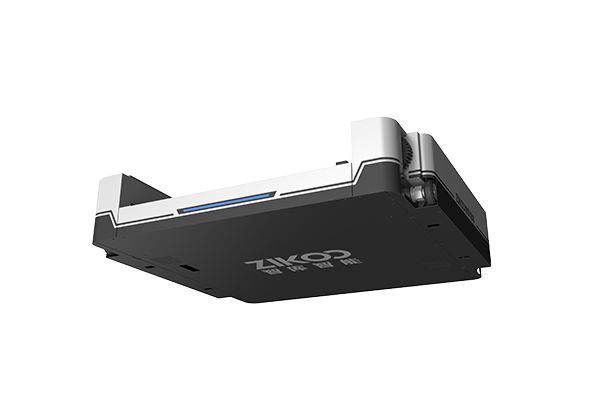
The R-bot Four-way Shuttle, for example, is available in standard, American, Japanese, and heavy-duty large pallet variants. The pallet dimension changes the machine width and the load path. A 1100 x 1100 mm Japanese pallet requires a different body than a 1016 x 1219 mm American pallet. If a supplier quotes the same machine for both pallet types without confirming pallet base and deflection, that is a warning.
Rack interface matters more than most buyers expect. A four-way shuttle runs on rails inside each storage level. The rack must hold consistent beam elevation and rail spacing across the entire aisle. In projects we have reviewed, rail tolerance issues show up only after the first full-load test because deflection under a 1,500 kg pallet can be larger than the empty rack survey suggests. Ask the manufacturer to state the maximum allowable rail straightness and elevation deviation before you accept a layout.
Throughput is not a single number. It depends on whether the system is pallet-to-person with workstations, a dense storage buffer, or a six-way shuttle configuration with a vertical H-bot elevator. A manufacturer that starts with your outbound pallets per hour and works backward to shuttle count, elevator count, and workstation count is more credible than one that starts with a shuttle speed of 1.2 meters per second loaded.
Dense storage performance depends on how the shuttle and rack are installed together. <Smart Warehousing Starts Here: Cost-Effective Four-Way Shuttle Systems> covers how early layout decisions affect long-term cost per pallet position, including the tradeoff between lane depth and shuttle count that buyers often underestimate.
Software and control system compatibility
The shuttle is the moving part, but the allocation logic is where most warehouse results are won or lost. Four-way shuttles run on task dispatch, path planning, and exception handling that live in WMS, WES, WCS, and RCS layers. A manufacturer should be able to explain what happens when a task is cancelled, when a pallet is misplaced, or when two shuttles request the same aisle at the same time.
Ask for a control layer diagram before you ask for machine specifications. The WMS decides what to move, the WES sequences the work, the WCS passes instructions to the equipment layer, and the RCS manages robot movement. If the supplier does not clearly separate these functions, onsite recovery and future expansion will both be harder. This is not a software preference; it is a maintenance and scalability issue.
We have seen buyers accept a low machine price and then discover that every interface change to their ERP or WMS requires a service visit. A better test is to give the supplier one scenario: inbound priority change at 07:00, a failed pallet check at 09:30, and a wave release earlier than planned. Ask how the system recovers. The answer should name the specific software module and the field in the database, not a vague promise of intelligent scheduling.
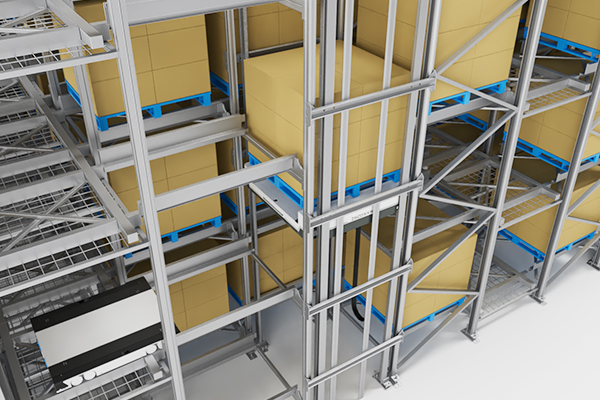
The control layer becomes more important as shuttle count and manual workstations increase. <PTP [Intelligent Warehousing](https://www.zikooint.com/asrs-automated-storage-and-retrieval-system-solutions) Platform: Building a Flexible and Smart Logistics Ecosystem> covers how WMS, WES, WCS, and RCS modules exchange priorities and exception states, and why a fragmented control stack makes high-SKU operations harder to stabilize.
Operating environment requirements for four-way shuttles
A shuttle that fits an ambient site may be wrong for a cold chain or high-humidity operation. We look at three physical factors before equipment selection: temperature range, battery runtime, and pallet material interface.
Cold storage changes battery chemistry and charging behavior. The R-bot Four-way Shuttle uses lithium batteries and can operate at temperatures as low as -15°C in standard configuration. For cold chain projects down to -25°C, a dedicated low-temperature battery and a charging port design are required. If a manufacturer does not specify charge temperature limits separately from operating temperature limits, the proposal is incomplete.
High-humidity and special-industry environments add another layer. Pharmaceutical constant temperature warehouses and certain new energy applications call for surface treatments or material restrictions that are not visible in a standard datasheet. For new energy sites, metal contamination from copper, zinc, nickel, or lead must be considered. We have specified stainless steel frames and all-rubber buffer wheels in those cases to reduce contamination risk.
| Model | Rated load | Pallet size | Body height |
|---|---|---|---|
| Standard R1200B | 1,200 kg | 1200 x 800-1000 mm | 125 mm |
| American R1200A | 1,200 kg | 1016 x 1219 mm | 125 mm |
| Japanese R1500J | 1,500 kg | 1100 x 1100 mm | 125 mm |
| Heavy-duty R1500B | 1,500 kg | 1200 mm | 125 mm |
| Heavy-duty large pallet R2000B | 2,000 kg | 1400 mm | 150 mm |
If your project includes mixed pallet sizes or temperatures below -15°C, confirm the battery configuration and charging strategy before freezing a layout. Share your pallet type, load weight, and storage temperature with info@zikoo-int.com and ask for a loading calculation.
Project delivery and commissioning process
A four-way shuttle project is not a machine installation. It is a rack, robot, elevator, software, and workstation integration that must be proven under full load. Ask how the supplier handles site survey, mechanical installation, electrical integration, software configuration, and joint acceptance. If the answer is a single turnkey delivery line without milestones, dig further.
Site survey should produce a measured rack layout, floor flatness and rail alignment data, and a defined handoff point between the rack contractor and the equipment supplier. When the rack is built by one company and the shuttle by another, the interface is where delays happen. The manufacturer should be able to name the tolerances it requires before the rack is signed off.
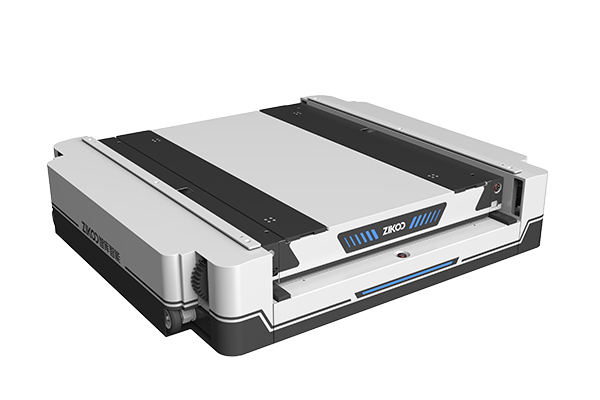
Commissioning needs to include failure drills, not just a few successful inbound and outbound pallets. We test what happens when a pallet is placed with an offset, when a shuttle loses communication mid-task, and when an elevator receives a cargo larger than expected. If the supplier cannot describe these test cases, treat that as a delivery risk.
For an existing warehouse, ask about phased conversion and whether operations can continue during rack modification. A credible manufacturer will discuss a zone-by-zone cutover and a fallback manual or semi-automated process during the transition. A less experienced one will promise no disruption without describing the site preparation that makes that claim true.
After-sales service and expansion planning
After-sales quality often becomes the real cost after the acceptance test. Before contract award, ask for remote diagnostic access, spare parts lead times for key components, software maintenance windows, and local service coverage. A manufacturer that cannot name spare parts location and shipping time for its shuttle control boards and batteries is not ready to deliver international service.
Expansion is the second test. A four-way shuttle system should grow by adding shuttles, elevators, and rack lanes without replacing the control platform. Ask what happens to WCS licenses and throughput planning when you add 20 shuttle units two years later. If the software license model does not scale with equipment count, the initial system price will not reflect the total cost of growth.
Supplier reliability is easiest to test before contract award, not after installation. <Looking for Reliable Four-Way Shuttle Manufacturers? Choose Zikoo Robotics> covers the supplier audit signals we recommend for international projects, including project reference depth, design ownership, and service response capability.
The wrong supplier choice usually shows up after handover, when a software issue stops the shift or a battery replacement arrives in weeks instead of days. If you are comparing four-way shuttle manufacturers, send your pallet dimensions, throughput target, and site constraints to info@zikoo-int.com or call (+86)-19941778955 and we will review the system fit before you commit to a layout.
Common questions about four-way shuttle manufacturer selection
How do I verify a manufacturer’s project references?
Start with reference projects in your industry or with a similar pallet profile, not with a long list of household names. Ask for a site contact you can call, the equipment age, and performance after at least 12 months of operation. We also recommend checking whether the supplier owns the design and software, because a reseller may not be able to explain what failed in a previous project. A reference without a reachable customer is not a reference. If the manufacturer cannot share details because of confidentiality, ask for a reference call under NDA or a documented performance report from the existing site.
Should I choose a domestic or imported four-way shuttle system?
The real choice is not domestic versus imported; it is design ownership and local service depth. A domestic manufacturer with its own control software can often respond faster on parts and software changes. An imported system may have mature components but longer lead times for service and upgrades. We evaluate both on the same criteria: who owns the source code, where spare parts are held, and how quickly an engineer can reach the site. Do not accept a lower price from any supplier if the service path is unclear.
Can four-way shuttle manufacturers customize pallet sizes?
It depends on the pallet type and order volume. Standard models handle common sizes such as 1200 x 800 mm, 1100 x 1100 mm, and 1016 x 1219 mm. Larger pallets, such as 1400 mm formats, usually require a heavy-duty variant with a wider body. For special pallet bases or unusual load distribution, customization is possible but should be confirmed through a pallet drawing review rather than a verbal agreement. Ask the manufacturer which model matches your pallet dimensions and what happens if the pallet deflects under full load.
What is the realistic lead time for a four-way shuttle project?
In projects we have planned, the mechanical installation usually starts four to six months after layout approval, with software integration and commissioning adding several more weeks. The total schedule depends on rack construction, floor preparation, IT readiness, and site access windows. A supplier that quotes two months for a complete multi-level system is likely ignoring commissioning and failure drills. Ask for a milestone plan that separates rack readiness, shuttle delivery, software configuration, and joint acceptance testing. Send your site drawings and target outbound volumes to info@zikoo-int.com and we will return a schedule estimate for your layout.
If you’re interested, check out these related articles:
Looking for Reliable Four-Way Shuttle Manufacturers? Choose Zikoo Robotics
Revolutionizing Cold Chain Logistics: Zikoo Robotics Six-Way Shuttle Powers High-Density, High-Efficiency Warehousing
Smart Cold Chain Era: Six-Way Shuttle System Redefines Storage Efficiency with Maximum Density
Software-Driven Hardware: Six-Way Shuttle Maximizes Warehouse Efficiency
Reshaping Warehouse Value: Six-Way Shuttle Leads the Digital Transformation


