


Automated storage systems have grown up fast, and watching them on a live floor still gives me the same jolt I felt the first time a shuttle outpaced a picker by a mile. We have moved from simple mechanization to systems that think, learn, and adapt, not just storing goods but tuning inventory flow, accuracy, and throughput in real time. The throughline is clear in day-to-day operations, robotics, AI, and analytics working together to shrink cycle times, squeeze more from every cubic meter, and steady supply chains across regions.
Understanding the Evolution of Automated Storage Systems
1. The Foundation of Modern Warehousing Automation
Modern warehousing automation stands on decades of iteration. Early setups handled repetitive motion with conveyors and basic automated guided vehicles (AGVs). That phase paved the way for automated storage and retrieval systems (AS/RS) we rely on now. The mission back then was straightforward, cut manual touches and lift throughput in high-volume workflows. The tradeoff was rigidity, those systems often needed heavy infrastructure changes and did not bend easily when operations shifted.
2. Key Drivers Shaping Automated Storage’s Future
Several forces are steering automated storage forward. Persistent labor shortages and rising labor costs push teams toward automation to hold service levels. E-commerce growth raises the bar on speed and inventory accuracy. Real estate keeps climbing, so high-density solutions that punch upward and maximize vertical space are in demand. Global supply chain disruptions remind us that resilient, adaptable warehouse operations are non negotiable. Together, these drivers are pulling the industry toward smarter, more flexible automation.
If you’re interested, check 《Understanding ASRS Systems for Modern Warehouse Efficiency》.
Emerging Technologies Revolutionizing Automated Storage
1. The Role of Artificial Intelligence and Machine Learning in Optimization
Artificial intelligence (AI) and machine learning (ML) sit at the core of optimization. AI models digest large datasets to forecast demand, slot inventory intelligently, and tune picking routes on the fly. The payoff is fewer bottlenecks and tighter system performance. ML improves as it learns from live operations, inching efficiency forward over time without extra operator effort.
2. Advanced Robotics and Autonomous Mobile Robots
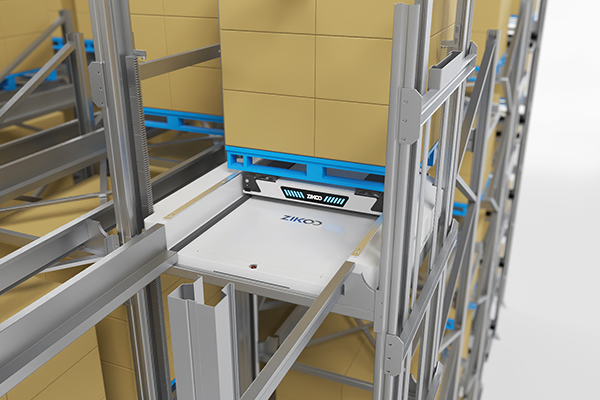
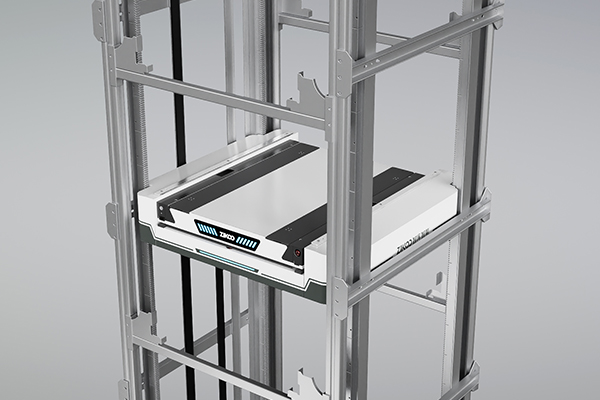
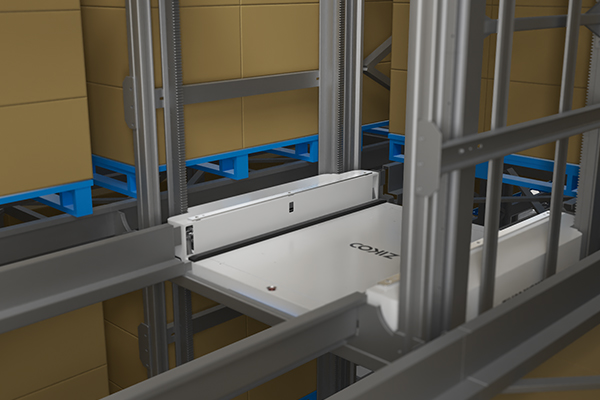
Advanced robotics, especially autonomous mobile robots (AMRs), are changing the daily rhythm on the floor. Unlike traditional AGVs, AMRs navigate dynamically, adapt to changing paths, and avoid obstacles. Zikoo’s R-bot Four-way Shuttle brings flexible four-way movement and intelligent autonomous handling for dense storage. The U-bot Omnidirectional Stacking Robot is built for narrow aisle work, with standout maneuverability and a lifting height of up to 8 meters. These robots can be teamed into high-output, flexible systems. The H-bot Vertical Bidirectional Shuttle serves as a vertical transport hub, integrating with R-bots to create a six-way shuttle network.
3. The Impact of IoT and Digital Twin Technology
The Internet of Things (IoT) streams real-time sensor data from equipment and inventory. That data feeds digital twins, virtual replicas of warehouse operations. Digital twins enable end-to-end monitoring, scenario modeling, and targeted optimization. Teams can test changes virtually, anticipate outcomes, and sidestep issues before they hit the floor. The result is sharper visibility and better decisions.
4. Pallet-to-Person Solutions and Their Efficiency Gains
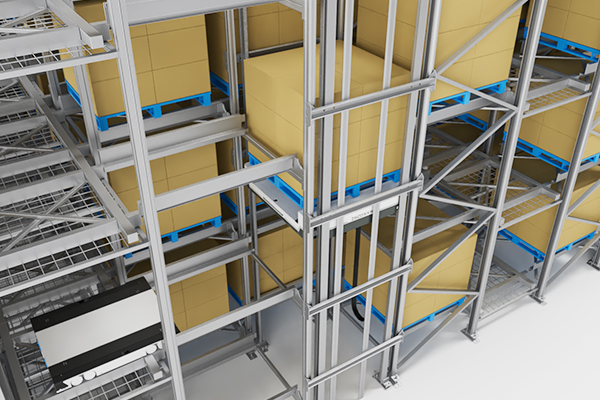
Pallet-to-person (PTP) systems lift efficiency by bringing inventory to the operator. Less walking, more picking, lower strain. Zikoo’s PTP Smart Warehouse Software (WMS/WES/WCS/RCS) coordinates these flows, aligning robots and people with precise timing. Pairing U-bot with AMR in narrow aisles shows how this works in practice, strong performance for multi-SKU split-case picking.
If you’re interested, check 《How Zikoo Robotics Is Redefining Smart Warehousing with the Pallet Shuttle System》.
Strategic Applications and Benefits of Future Automated Storage
1. Enhancing Throughput and Operational Efficiency
Automated storage systems lift throughput by speeding material flow and trimming process time. Robots run around the clock, hit tasks faster, and deliver with consistent quality. That translates to higher fill rates and happier customers. The R-bot Four-way Shuttle’s multi-shuttle collaborative operation pushes overall system efficiency even higher.
2. Maximizing Space Utilization with High-Density Systems
When space costs bite, high-density storage pays the bills. Automated systems like Zikoo’s R-bot and H-bot shuttles unlock vertical designs that maximize cubic utilization. The H-bot, for example, takes only a single storage location while handling vertical cargo transfer in high-rack layouts. You store more inventory in less footprint, plain and simple.
If you’re interested, check 《Maximizing Space Velocity in Modern Warehouses》.
3. Improving Supply Chain Resilience and Adaptability
Automated storage tightens control and visibility over inventory, which strengthens resilience. Systems flex with demand swings, labor gaps, and unexpected disruption. Modular solutions can expand or reconfigure with minimal friction, so operations keep pace with change. That adaptability matters in a market that never sits still.
4. Reducing Labor Costs and Addressing Shortages
Automation tackles labor shortages head on and trims cost by absorbing repetitive tasks. While the upfront spend is real, long-term savings in wages, benefits, and error reduction add up. People can shift to higher-value work, which raises productivity and job satisfaction.
Navigating Challenges and Opportunities in Automated Storage Adoption
1. Overcoming Implementation Hurdles and Integration Complexities
Adopting automated storage often starts with a sizable capital outlay and careful integration with existing systems. A clear plan and phased rollout reduce risk. Choosing a provider with strong integration chops and end-to-end support matters for a smooth transition.
2. Ensuring Scalability and Flexibility for Future Growth
Scalability and flexibility should be baked into the design. Select solutions that grow with the business and adapt as requirements change. Modular robotics from Zikoo make it straightforward to add capacity or new capabilities, so the system stays effective as volume and complexity scale.
3. The Importance of Data Security and System Reliability
More automation means deeper dependence on data and connectivity, so security and reliability move to the front. Solid cybersecurity protects sensitive operational data. Reliable hardware and software, paired with proactive maintenance, keep uptime high and downtime low.
The Future Outlook for Automated Storage Systems
1. Predictive Analytics and Proactive Maintenance
Predictive analytics will anchor maintenance strategy. Sensors on robots and equipment will track performance continuously, flagging issues before they fail. Teams can schedule work in advance, cut surprise downtime, and extend asset life. The result is maximum uptime and steady operations.
2. Sustainable and Eco-Friendly Warehousing Practices
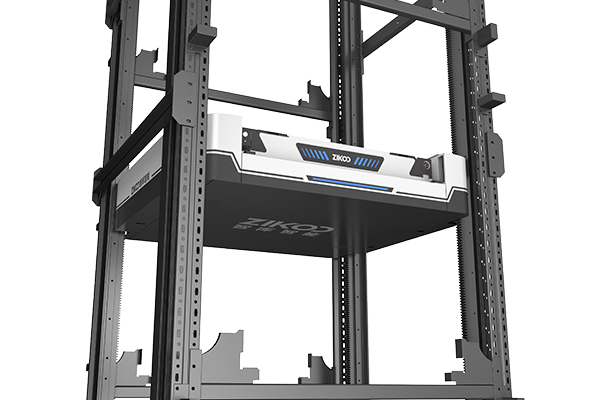
Sustainability is moving from aspiration to standard practice. Future systems will be built for energy efficiency, from advanced battery tech to smarter energy management algorithms. The R-bot’s new energy custom solution avoids certain metal materials and uses stainless steel frames, a practical move toward lower environmental impact and operating cost.
3. The Integration of Human-Robot Collaboration
Human-robot collaboration will define the next phase. Robots will work alongside people, augmenting rather than replacing. You get the best of both worlds, human flexibility and problem solving, robot speed and precision, and safer, faster floors.
Partner with Zikoo for Advanced Automated Storage Solutions
Zikoo Smart Technology Co., Ltd. is at the forefront of developing advanced pallet-to-person robotics and intelligent storage systems. Our U-bot Omnidirectional Stacker Robots, R-bot Four-way Shuttle, and H-bot High-Speed Elevators, combined with our PTP Smart Warehouse Software (WMS/WES/WCS/RCS), offer end-to-end solutions for diverse industries. We are committed to helping businesses achieve unparalleled efficiency, scalability, and resilience in their warehousing operations. Contact us today to explore how our innovative solutions can transform your logistics.
Email: info@zikoo-int.com
Phone: (+86)-19941778955
FAQs
1. What are the primary benefits of investing in automated storage systems?
Automated storage systems cut labor costs and raise operational efficiency. They make better use of space through high-density storage, lift inventory accuracy, and strengthen supply chain resilience by streamlining processes and reducing human error.
2. How do automated storage systems improve warehouse efficiency?
They automate repetitive tasks, accelerate material handling, and optimize storage and retrieval. Robotics and AI-driven software coordinate movements, trim travel time, and place inventory with precision, which speeds order fulfillment and clears bottlenecks.
3. What role does AI play in the next generation of automated storage?
AI drives predictive analytics, dynamic route optimization, and real-time decisions. Algorithms forecast demand, manage inventory intelligently, and support proactive maintenance so systems run at peak performance.
4. Can automated storage systems be integrated with existing warehouse infrastructure?
Yes, many modern systems are built for flexible integration with existing infrastructure. Modular designs and advanced software platforms support phased rollouts and connect with current WMS and ERP systems, which limits disruption and improves return on investment.
5. What factors should companies consider when selecting an automated storage system?
Look at warehouse size and layout, inventory characteristics such as product dimensions, weight, and temperature needs, throughput targets, and budget. Also weigh scalability, system flexibility, software integration capability, and the provider’s support services.


