


Investing in four-way shuttle systems makes sense for warehouses chasing better throughput and lower long-term costs. But the numbers matter. Before committing capital, you need a clear picture of what you’re actually paying for and when you’ll see returns. Here’s a practical breakdown of the financial side.
What Goes Into the Initial Investment
The upfront spend on industrial four-way shuttles breaks down into three main buckets: hardware, software, and integration work.
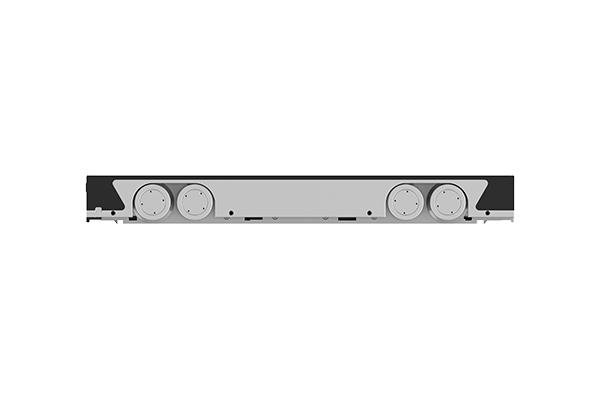
Hardware means the shuttles themselves plus the racking that supports them. Zikoo’s R-bot Four-way Shuttle, built for pallet-to-person dense storage, moves in all four directions and works collaboratively with other units in the system.
Software typically includes a Warehouse Management System, Warehouse Execution System, and Warehouse Control System. These handle inventory tracking, task optimization, and shuttle coordination.
Integration covers engineering, installation, and commissioning. This is the work required to connect the automated system with your existing operations, ensuring data flows properly and everything runs in sync.
| Component | Description | Typical Cost Range (USD) |
|---|---|---|
| Hardware | Shuttles, Racking, Conveyors | $100,000 – $1,000,000+ |
| Software | WMS, WES, WCS, RCS Licenses | $50,000 – $500,000 |
| Integration | Engineering, Installation, Commissioning | $30,000 – $300,000 |
Why Prices Vary So Much
The total price of a four-way shuttle system depends on several variables. Storage capacity drives hardware costs directly. More locations mean more shuttles and more racking. Throughput requirements matter too. If you need to move more pallets per hour, you’ll need faster or additional units.
Custom layouts add cost. So do specialized handling requirements. Zikoo’s R-bot comes in Standard, American, Japanese, and Heavy-duty configurations, each supporting different pallet sizes and load capacities. Vendor-specific features like advanced navigation or cold chain capabilities push prices higher. The R-bot’s cold chain version, for example, includes lithium batteries rated for -25℃ and PCBA coatings designed for high-humidity environments.
What factors influence the total cost of an industrial four-way shuttle system
System size is the biggest driver. More storage locations and aisles mean more complexity. The number of R-bot units you deploy directly affects hardware spend. Automation level matters too. A fully integrated solution costs more than a semi-automated setup because of the control systems involved. Software complexity adds licensing and development costs. Installation environment plays a role as well. Modifying existing infrastructure or building out cold storage capabilities increases labor and material expenses.
How to Calculate ROI
Calculating ROI for an automated shuttle system requires quantifying savings across several categories. Labor reduction is usually the biggest win. Automating putaway and retrieval tasks means fewer people on the floor or reallocation to higher-value work. Faster cycle times boost throughput. Fewer picking errors improve inventory accuracy and reduce product damage. Better space utilization, especially with dense storage systems like the R-bot, can delay or eliminate facility expansion.
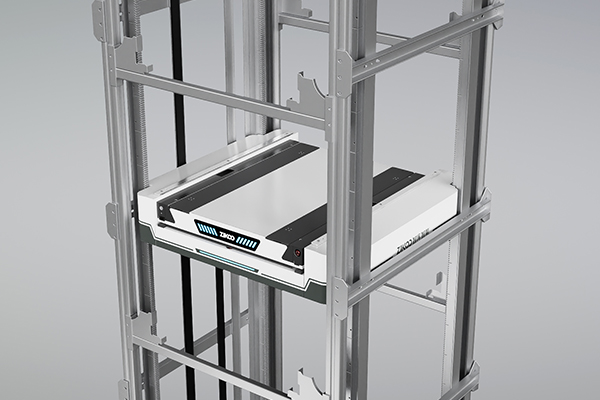
Combining the R-bot Four-way Shuttle with the H-bot Vertical Bidirectional Shuttle creates a Six-way shuttle system that maximizes vertical space. This combination significantly improves overall warehouse efficiency.
If you’re interested, check 《Smart Storage Revolution: Comprehensive Overview of Four-Way Shuttle Systems for Automatic 3D Warehouses》.
How does the ROI of a four-way shuttle compare to traditional warehouse methods
Traditional methods rely on manual labor and conventional racking. That means higher ongoing costs from wages, errors, and inefficient space use. A four-way shuttle system like Zikoo’s R-bot cuts labor dependency, reduces picking mistakes, and enables higher storage density. Real estate costs drop when you can store more in the same footprint. The initial capital outlay is higher, but faster throughput and operational savings typically shorten the payback period. Long-term ROI tends to be stronger than manual operations can deliver.
Operational Costs Beyond the Purchase Price
The purchase price is just the start. Ongoing operational costs include energy consumption, spare parts, software licensing, and preventive maintenance. Most R-bot models run on lithium batteries with 8 hours of continuous operation, which affects your energy budget. Spare parts cover routine replacements and unexpected repairs. Software licensing ensures continued access to WMS, WES, WCS, and RCS functionality plus updates.
Preventive maintenance keeps the system running reliably. Regular inspections, lubrication, and adjustments extend equipment life and minimize downtime. These costs need to be part of your total cost of ownership calculation.
| Expense Category | Description | Annual Estimate (USD) |
|---|---|---|
| Energy Consumption | Electricity for shuttles and charging stations | $5,000 – $20,000 |
| Spare Parts | Replacement components (wheels, sensors, batteries) | $3,000 – $15,000 |
| Software Licensing | Annual fees for WMS/WES/WCS/RCS | $10,000 – $50,000 |
| Preventive Maintenance | Scheduled inspections, service contracts | $8,000 – $30,000 |
What are the ongoing maintenance costs for automated shuttle systems
Maintenance costs for systems like the R-bot include parts, labor, software updates, and service contracts. Parts replacement covers items like wheels and sensors. Labor covers technicians for routine checks and repairs. Software updates for the PTP Smart Warehouse Software keep performance optimized and security current. Zikoo offers service contracts that include scheduled preventive maintenance, remote diagnostics, and emergency support. This approach reduces unexpected costs and keeps uptime high.
Frequently Asked Questions About Industrial Four-Way Shuttle Investment
How does Zikoo’s R-bot Four-Way Shuttle optimize space utilization to reduce overall costs
The R-bot’s slim body thickness of 125 mm and omnidirectional movement allow for tighter aisle spacing and higher storage density. You can store more goods in the same footprint, which reduces real estate costs. Maximizing vertical space has the same effect. Better space utilization directly improves ROI by lowering facility expenses.
What kind of post-installation support and maintenance services does Zikoo provide for its automated shuttle systems
Zikoo provides training for operational staff, spare parts availability, and remote diagnostics. Service contracts cover preventive maintenance, software updates, and technical assistance. The goal is to keep your system running efficiently and avoid unexpected operational costs over the long term.
Can Zikoo’s PTP Smart Warehouse Software integrate with existing WMS and ERP systems to streamline implementation costs
Yes. The PTP Smart Warehouse Software is built for compatibility with various WMS and ERP platforms. This reduces the need for extensive system overhauls or custom development work. Smoother integration means lower implementation costs and faster time to value. Data exchange and operational continuity stay intact while you gain the benefits of automation.
Ready to Transform Your Warehouse Operations
Intelligent automation positions your warehouse for future growth. Zikoo Smart Technology Co., Ltd. offers pallet-to-person robotics including the R-bot Four-Way Shuttle, powered by PTP Smart Warehouse Software. Contact our team for a consultation and investment analysis tailored to your operations. Email us at info@zikoo-int.com or call us at (+86)-19941778955.


