


Logistics operations live or die by how quickly goods move from shelf to truck. Four-way shuttle systems have changed what’s possible in automated storage and retrieval, giving warehouses the kind of flexibility that fixed-path cranes simply cannot match. For operations juggling thousands of SKUs with unpredictable order volumes, these systems solve problems that used to require throwing more labor at the floor.
Why Four-Way Movement Changes the Storage Equation
E-commerce growth and tighter delivery windows have pushed warehouses into a corner. Traditional storage setups force compromises between density and accessibility. Four-way shuttle systems break that tradeoff by letting shuttles travel in any direction within deep lane configurations. A shuttle that can move forward, backward, and side-to-side accesses inventory that would otherwise sit blocked behind other pallets.
This matters most when SKU counts climb and order patterns shift seasonally. A warehouse storing 50,000 SKUs with wildly different velocity profiles needs storage that adapts without constant reconfiguration. Four-way shuttles handle this naturally because any shuttle can reach any location through multiple paths. The result shows up in utilization rates that traditional AS/RS struggles to match.
Who Builds These Systems and What Sets Them Apart
Several manufacturers have staked out positions in four-way shuttle technology, each with distinct engineering approaches. The differences matter because they affect everything from maintenance schedules to how well the system handles your specific pallet sizes.
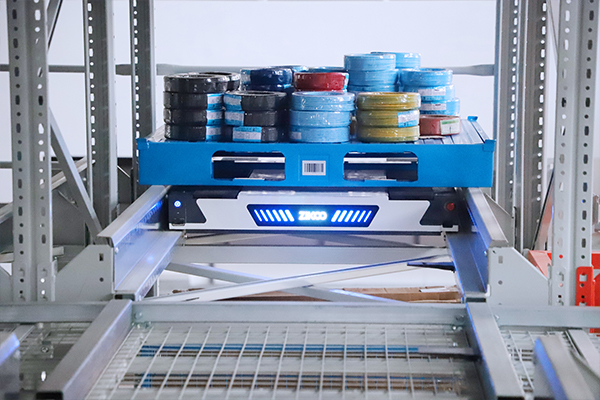
Zikoo Smart Technology has built its reputation around pallet-to-person robotics. The R-bot Four-Way Shuttle handles dense storage with multi-shuttle coordination, meaning several units work the same zone without colliding or creating bottlenecks. The R1500J model, for example, moves 1100 × 1100 mm pallets weighing up to 1500 kg at 1.2 m/s when loaded. That speed holds up under real operating conditions, not just empty test runs.
| Company | Key Product | Max Load Capacity | Max Speed (Loaded) | Key Feature |
|---|---|---|---|---|
| Zikoo Smart Technology | R-bot Four-Way Shuttle | 2000 kg | 1.2 m/s | Pallet-to-person robotics, Cold Chain & New Energy solutions |
| Company A | Shuttle System X | 1500 kg | 1.0 m/s | Modular design |
| Company B | Multi-Directional Carrier | 1200 kg | 1.1 m/s | High-density storage |
| Company C | Automated Pallet Mover | 1800 kg | 0.9 m/s | Integrated lifting mechanism |
| Company D | Smart Shuttle Pro | 1000 kg | 1.3 m/s | Energy-efficient operation |
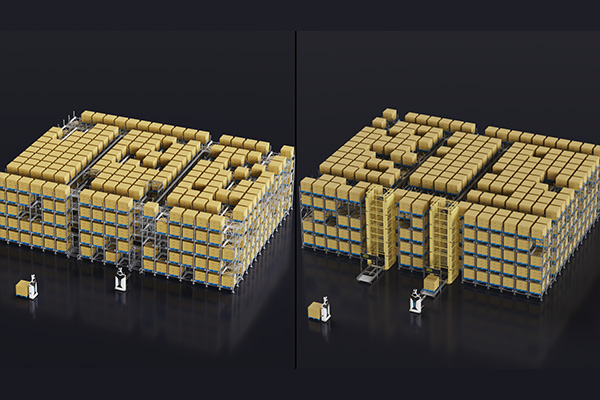
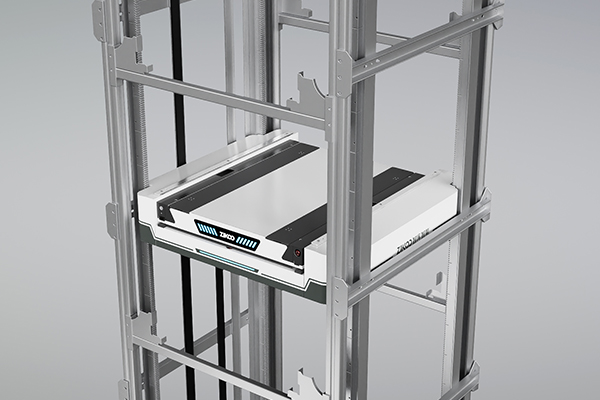
Pairing the R-bot with vertical handling equipment like the H-bot creates Six-way shuttle system capability. This turns flat storage into a three-dimensional network where goods move horizontally and vertically through coordinated handoffs.
What Operations Actually Gain from Four-Way Shuttles
The benefits sound straightforward on paper. In practice, they compound in ways that surprise even experienced warehouse managers.
Storage Density Without Sacrificing Access
Four-way shuttles reach pallets from any direction, which means storage lanes can run deeper without creating dead zones. A traditional crane-based system accessing a pallet 15 positions deep must wait for everything in front to clear. A four-way shuttle approaches from whichever side offers the fastest path.
The R-bot’s 125 mm body height matters here. Thinner shuttles mean tighter vertical spacing between storage levels. Over a 40-foot ceiling, those saved inches add up to extra storage tiers. Facilities with fixed footprints see capacity increases of 30% or more without breaking ground on expansions. This Dense storage approach works particularly well in urban distribution centers where real estate costs make every cubic meter valuable.
Throughput That Scales with Demand
Multiple shuttles operating simultaneously means order processing happens in parallel rather than sequence. During peak periods, the system absorbs volume spikes by coordinating more units across the storage area. The PTP Smart Warehouse Software managing these shuttles handles the coordination automatically, routing each unit to avoid conflicts while maintaining speed.
This parallel processing shows up most clearly in e-commerce fulfillment where order profiles change hourly. Morning might bring large wholesale orders pulling full pallets. Afternoon shifts to individual consumer orders requiring picks from dozens of locations. Four-way shuttles adapt to both patterns without reconfiguration.
How Four-Way Systems Stack Up Against Conventional AS/RS
Crane-based AS/RS served warehouses well for decades. The technology is proven and the maintenance procedures are well understood. But the fixed-path architecture creates constraints that four-way shuttles avoid entirely.
A single crane failure in traditional AS/RS can shut down an entire aisle. Four-way shuttle systems distribute that risk across multiple independent units. If one shuttle needs service, others continue working while maintenance happens. This fault tolerance keeps operations running during the inevitable equipment issues.
Expansion tells a similar story. Adding capacity to crane-based systems often requires structural modifications and extended downtime. Four-way shuttle installations scale by adding more shuttles and extending rack structures. The software updates to recognize new resources without rebuilding the control architecture.
Choosing a Four-Way Shuttle Provider
Not every four-way shuttle system fits every operation. The selection process should examine several factors that determine long-term success.
Scalability deserves early attention. A system that handles current volumes but cannot grow with the business creates future problems. Look for modular designs where adding shuttles or extending racks happens without replacing core infrastructure. Ask specifically about software licensing models and whether adding capacity triggers significant cost increases.
Software integration separates adequate installations from excellent ones. The shuttle system must communicate with existing warehouse management systems, enterprise resource planning platforms, and potentially customer-facing order systems. Zikoo’s PTP Smart Warehouse Software covers WMS, WES, WCS, and RCS functions, which simplifies integration by reducing the number of separate systems that need to exchange data.
Maintenance and support capabilities affect total cost of ownership more than initial purchase price. Providers with local parts inventory and trained technicians minimize downtime when issues arise. Cold chain and new energy applications add complexity that not every provider handles well, so verify specific experience with your operational requirements.
Working with Zikoo Smart Technology
Warehouse operations looking for four-way shuttle solutions can explore what Zikoo Smart Technology offers. The R-bot Four-Way Shuttle combined with PTP Smart Warehouse Software provides an integrated approach to storage automation. The engineering team works through site-specific requirements to develop solutions matched to actual operational needs.
Email: info@zikoo-int.com
Phone: (+86)-19941778955
What makes Zikoo’s R-bot Four-Way Shuttle different from competing systems?
The R-bot combines omnidirectional movement with coordination software that manages multiple shuttles working the same storage zones. This matters because throughput depends not just on individual shuttle speed but on how well units avoid conflicts while maintaining pace. The PTP Smart Warehouse Software handles this coordination across WMS, WES, WCS, and RCS functions. Cold storage and new energy applications receive specific engineering attention rather than generic solutions adapted after the fact. The four-way shuttle design reflects real operational requirements from e-commerce fulfillment through industrial distribution.
Do four-way shuttle systems work with existing warehouse management software?
Integration with existing systems is standard practice rather than a special project. Zikoo’s PTP Smart Warehouse Software provides APIs and data exchange protocols that connect with enterprise systems already running warehouse operations. Real-time inventory visibility flows through these connections, so order management systems see accurate stock positions without manual reconciliation. The integration scope covers everything from receiving dock assignments through outbound shipping confirmation.
What kind of payback period should operations expect from four-way shuttle investment?
ROI calculations depend heavily on current labor costs, storage constraints, and throughput requirements. Operations paying premium wages in tight labor markets see faster returns because automation directly replaces those costs. Facilities constrained by building footprint benefit from density improvements that delay or eliminate expansion projects. Throughput gains show up in reduced order cycle times and improved customer service metrics. Most installations achieve positive ROI within 18 to 36 months, though specific circumstances shift that range in either direction.


