


Selecting the optimal pallet racking system shapes how a warehouse runs, from cost control to throughput to how every cubic meter is put to work. The choices can feel crowded, yet the right fit lifts space utilization, inventory management, and daily flow. Here we unpack the fundamentals of pallet racking and the key factors that make selection easier.
Understanding Pallet Racking Systems
Pallet racking systems are purpose-built storage frameworks designed to organize and store palletized materials in warehouses. Their core job is to maximize storage density and accessibility, turning vertical and horizontal space into productive capacity. Choosing the appropriate system is critical for operational efficiency and cost-effectiveness, directly influencing inventory flow, picking speeds, and overall warehouse productivity. Different racking types serve distinct needs, from high-density storage to rapid product accessibility.
Types of Pallet Racking
Pallet racking systems broadly fall into static and dynamic categories. Static systems, like selective racking, offer fixed storage locations. Dynamic systems, such as push-back or pallet flow racking, incorporate movement to enhance storage density and improve inventory rotation. Each type presents unique advantages depending on specific operational demands and inventory characteristics.
Key Factors for Selecting Racking
Selecting a pallet racking system requires a thorough evaluation of several critical considerations. Warehouse managers often face challenges tied to inefficient space utilization, suboptimal inventory management, and operational bottlenecks. Addressing these pain points effectively calls for a data-driven approach to racking selection. We analyze how various factors influence the suitability and performance of different systems.
Warehouse Space and Layout
The physical dimensions of a warehouse, including ceiling height, column placement, and dock door locations, significantly influence racking choices. Maximizing both vertical and horizontal space is paramount for efficient storage. High-bay warehouses, for example, can leverage automated systems to utilize extreme verticality.
Inventory Characteristics
The nature of your inventory dictates the most suitable racking system. Factors such as product type, size, weight, and perishability are crucial. Additionally, inventory turnover rates, whether requiring First-In, First-Out (FIFO) or Last-In, First-Out (LIFO) management, directly impact system selection.
Operational Needs and Flow
Throughput requirements, the types of material handling equipment used (e.g., forklifts, robots), and labor costs are vital considerations. The overall workflow efficiency can be significantly enhanced by integrating advanced solutions. For instance, our automated solutions, like the R-bot and H-bot, are designed to streamline operations and improve flow.
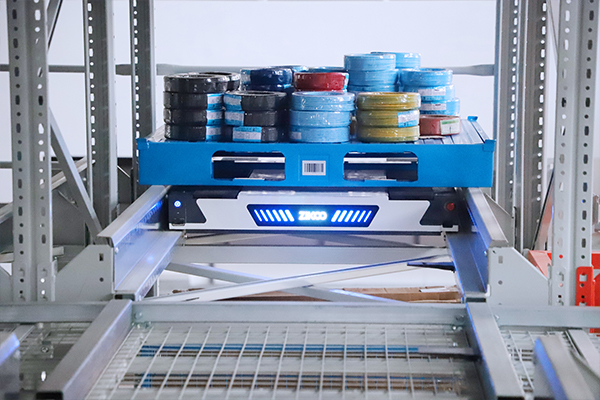
For further insights into optimizing warehouse efficiency, consider reading 《Six-Way Shuttle: The Smart Warehousing Tool for Cost Reduction and Efficiency》.
Budget and Return on Investment
Evaluating the initial investment, ongoing operational costs, and maintenance requirements is necessary. The long-term Return on Investment (ROI) of different racking systems varies significantly. Automated systems, while having a higher initial cost, often deliver superior ROI through reduced labor and increased efficiency.
Popular Pallet Racking Options
We provide detailed descriptions of common pallet racking systems, outlining their principles, applications, advantages, and disadvantages. This information helps users determine which system best aligns with their specific operational requirements.
Selective Pallet Racking
Selective pallet racking is the most common and versatile system. It offers direct access to every pallet, making it ideal for high selectivity and low-density storage. This system is best suited for warehouses with a wide variety of SKUs and relatively low inventory turnover for each SKU.
Drive-In and Drive-Through Racking
Drive-in and drive-through racking systems are high-density, low-selectivity options. They are suitable for storing large quantities of similar products. Drive-in systems operate on a LIFO principle, while drive-through systems allow for FIFO, making them adaptable to different inventory management strategies.
Push-Back and Pallet Flow Racking
Push-back and pallet flow racking are dynamic systems offering high-density storage with improved selectivity. Push-back systems generally operate on a LIFO basis, while pallet flow systems facilitate FIFO, ideal for perishable goods or those requiring strict rotation.
Automated Storage and Retrieval Systems
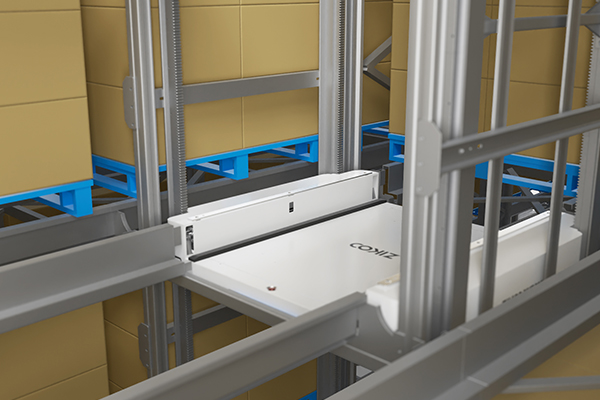
Automated Storage and Retrieval Systems (ASRS) represent advanced solutions for warehouse automation. Our U-bot Omnidirectional Stacking Robot, R-bot Four-way Shuttle, and H-bot Vertical Bidirectional Shuttle exemplify these benefits. They significantly enhance efficiency, optimize space utilization, and reduce labor requirements. These systems are particularly effective in high-throughput environments.
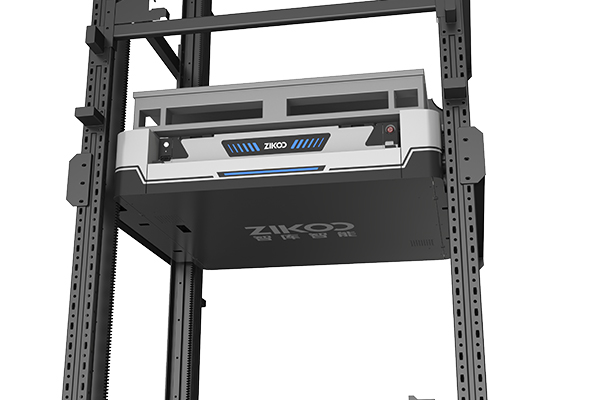
To learn more about how these systems can transform your operations, explore 《Six-Way Shuttle Drives Warehouse Upgrades: Building an Intelligent Automatic 3D Warehouse》.
Safety and Compliance Standards
Safety is paramount in warehouse operations. Adhering to regulatory requirements and implementing best practices for racking installation and maintenance are critical. Regular inspections and proper load management prevent accidents and ensure a safe working environment. We emphasize compliance with industry standards to protect personnel and assets.
Making the Right Decision
The decision-making process for selecting a pallet racking system should be systematic and informed. We advise considering all factors discussed: space, inventory, operational needs, and budget. For complex requirements, seeking expert consultation is beneficial. Zikoo Smart Technology Co., Ltd. offers complete solutions, integrating advanced robotics and intelligent software to optimize your warehouse.
Call to Action
Ready to optimize your warehouse with the perfect pallet racking system? Contact Zikoo Smart Technology Co., Ltd. today for expert consultation and discover how our innovative pallet-to-person robotics and smart warehouse software can transform your operations. Email us at info@zikoo-int.com or call us at (+86)-19941778955.
FAQs
What is the most cost-effective pallet racking system?
The most cost-effective system depends heavily on your specific needs, including inventory volume, turnover rate, and available space. Selective racking often has the lowest upfront cost, but high-density systems like drive-in or automated solutions can offer better long-term ROI through space savings and efficiency gains. It’s important to consider total cost of ownership, not just initial purchase price.
How do I calculate the load capacity needed for my pallet racking?
Calculating load capacity involves understanding the weight of your heaviest loaded pallet and the number of pallets stored per bay. Always consult with a racking system expert and adhere to manufacturer specifications and industry standards (e.g., RMI). Overloading racking systems can lead to catastrophic failure and serious safety hazards.
Can pallet racking systems be integrated with automation?
Yes, many modern pallet racking systems are designed to integrate with automation technologies. Automated Storage and Retrieval Systems (AS/RS) are specifically built for robotic operation, offering significant improvements in efficiency, accuracy, and safety. Zikoo Smart Technology Co., Ltd. specializes in pallet-to-person robotics and PTP Smart Warehouse Software (WMS/WES/WCS/RCS) that can be integrated with various racking solutions to create highly optimized and automated warehouses.


