


Understanding Common Pitfalls in Warehouse Automation Projects
Many automation initiatives falter or fail to deliver their full potential due to unforeseen challenges and insufficient preparation. These issues can lead to substantial financial losses and disrupt ongoing operations, impacting supply chain resilience. Common risks include underestimating integration complexity, selecting unsuitable technology, or neglecting the human element of change management. Identifying these potential problems early allows for the development of robust contingency plans.
I recall a project for a pharmaceutical client aiming to automate their cold chain storage. During the initial assessment, we observed their manual process for handling temperature-sensitive pallets. A critical risk we identified was the potential for significant operational downtime during the transition period, which could jeopardize product integrity. To mitigate this, we recommended a phased implementation strategy, starting with a smaller, non-critical section of the warehouse. We deployed a few R-bot Four-way Shuttles and an H-bot Vertical Bidirectional Shuttle in a pilot zone. This allowed us to fine-tune the system, train staff, and confirm performance metrics in a live environment. The pilot program reduced the projected full-scale rollout downtime by 30%, ensuring product safety and operational continuity.
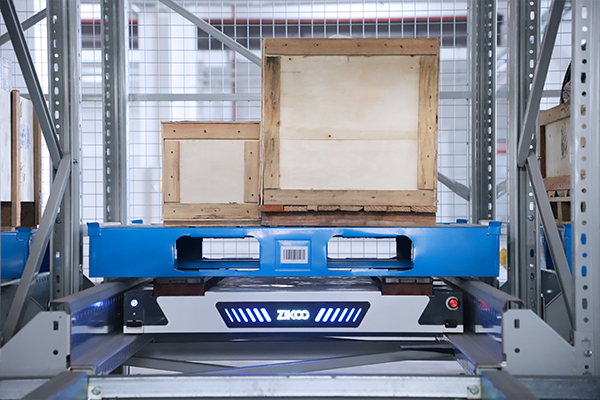
Here is a summary of common risks and their mitigation:
| Risk Category | Description | Mitigation Strategy |
|---|---|---|
| Operational Downtime | Interruption of normal business during installation or system failure. | Phased implementation, robust backup systems, comprehensive testing. |
| Cost Overruns | Project exceeding budget due to hidden costs or scope creep. | Detailed financial planning, contingency budget, clear contract terms. |
| Performance Gap | System not meeting expected throughput or efficiency targets. | Realistic goal setting, pilot programs, vendor performance guarantees. |
| Integration Issues | Difficulty connecting new automation with existing IT systems. | Thorough system compatibility assessment, API documentation, expert integration teams. |
| Employee Resistance | Staff reluctance to adopt new technologies or processes. | Early communication, comprehensive training, clear change management plan. |
| Technology Obsolescence | System becoming outdated quickly, limiting future adaptability. | Scalable and modular solutions, software update agreements, open architecture. |
How to Select the Right Warehouse Automation Vendor
Choosing the right automation partner is critical for project success. A mismatch in capabilities, technological alignment, or operational philosophy can derail the entire initiative and compromise future operational efficiency. We emphasize a rigorous due diligence process that extends beyond initial proposals to include site visits, reference checks, and detailed technical discussions. This ensures the chosen vendor possesses the necessary experience, technological prowess, and support infrastructure to deliver a reliable, long-term solution.
Zikoo Smart Technology Co., Ltd. offers a comprehensive range of robotics and integrated software solutions designed to meet diverse warehouse needs. Our product line includes the R-bot Four-way Shuttle for dense storage, the H-bot Vertical Bidirectional Shuttle for vertical transport, and the U-bot Omnidirectional Stacking Robot for narrow aisle applications. These systems are supported by our PTP Smart Warehouse Software, which encompasses WMS, WES, WCS, and RCS functionalities.
When evaluating potential partners, consider these criteria:
| Evaluation Criteria | Key Considerations | Importance Level |
|---|---|---|
| Experience & Track Record | Industry-specific projects, successful implementations, client testimonials. | High |
| Technology & Innovation | Robot capabilities, software features, adaptability, future roadmap. | High |
| Support & Maintenance | Service level agreements, spare parts availability, technical expertise. | Medium |
| Integration Capabilities | Compatibility with existing systems, API documentation, customization options. | High |
| Financial Stability | Vendor’s long-term viability, ability to fulfill warranties and support. | Medium |
| Training & Documentation | User training programs, clear operational manuals, ongoing education. | Medium |
What Makes a Warehouse Automation System Scalable
An effective automation system must not only address current operational requirements but also possess the inherent flexibility to adapt to future growth and technological advancements. This forward-looking approach maximizes the long-term value of the investment, preventing costly overhauls as business needs evolve. Scalability ensures the system can handle increased throughput or storage capacity, while seamless integration allows new technologies to connect with existing infrastructure. Future-proofing involves selecting solutions designed with open architectures and modular components.
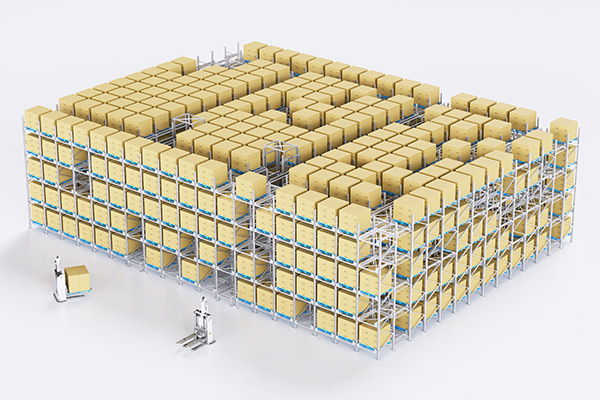
Zikoo’s modular robot lineup and adaptable software system are specifically designed for seamless expansion and integration with evolving operational demands. Our R-bot Four-way Shuttle, with its slim 125 mm body and 1.5-ton load capacity, can be deployed incrementally to scale storage density. When combined with the H-bot Vertical Bidirectional Shuttle, it forms a six-way shuttle system, creating a three-dimensional warehousing network that significantly enhances overall efficiency. This modularity allows businesses to start with a core system and add more robots or functionalities as their needs grow, protecting their initial investment.
How to Calculate ROI When Purchasing Warehouse Automation
A clear understanding of the total cost of ownership (TCO) and projected return on investment (ROI) is fundamental for justifying any significant automation investment. It ensures the financial viability of the initiative and aligns it with broader business objectives. TCO encompasses not just the purchase price but also installation, training, maintenance, energy consumption, and software licensing over the system’s lifespan. Accurate ROI calculation requires a detailed analysis of anticipated savings from reduced labor costs, improved efficiency, increased storage density, and fewer errors.
The U-bot Omnidirectional Stacking Robot, designed for narrow aisle storage, can improve storage density by over 30% in existing warehouses due to its minimal aisle width requirement of 2100 mm. This directly translates to reduced real estate costs or increased capacity within the same footprint, a key factor in ROI. Its lifting height of 0–8 meters also offers significant vertical storage utilization. If your facility is constrained by floor space but has vertical clearance to spare, it is worth discussing whether a narrow-aisle configuration could deliver faster payback than a conventional layout.
Here are key factors influencing ROI in warehouse automation:
| ROI Factor | Description | Impact on ROI |
|---|---|---|
| Labor Cost Reduction | Automated tasks reduce reliance on manual labor. | Direct cost savings, significant impact. |
| Space Utilization | High-density storage systems maximize warehouse footprint. | Reduces need for expansion, indirect cost savings. |
| Throughput Increase | Faster processing of goods, higher order fulfillment rates. | Increased revenue potential, improved customer satisfaction. |
| Error Reduction | Automated systems minimize picking, packing, and inventory errors. | Reduced returns, fewer rework costs, improved accuracy. |
| Energy Consumption | Efficiency of robotic systems compared to manual operations. | Operating cost factor, can be positive or negative. |
| Safety Improvements | Reduced workplace accidents and associated costs. | Indirect savings, improved employee well-being. |
How to Reduce Disruption During Warehouse Automation Implementation
Effective project management, thoughtful change management, and robust post-implementation support are critical for minimizing disruption and ensuring smooth adoption of new automation systems. The transition from manual to automated processes can be complex, involving significant changes to workflows, employee roles, and data management. A well-structured implementation plan addresses these aspects systematically, from initial system setup and testing to comprehensive employee training and ongoing technical assistance.
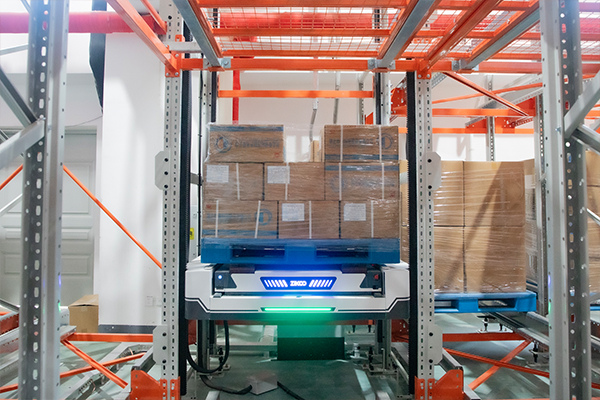
Our PTP Smart Warehouse Software provides robust control and optimization, reducing common operational risks post-deployment. This integrated platform manages everything from warehouse management (WMS) to equipment control (WCS) and robot coordination (RCS), providing a unified view and control point. The U-bot + AMR Narrow Aisle Picking System, which offers an efficient collaborative solution for hybrid picking scenarios, relies on this software for dynamic path planning and multi-functional workstation management. This ensures that even complex systems operate cohesively, minimizing potential bottlenecks and maximizing efficiency. Data security and cybersecurity are also paramount, with our systems incorporating measures to protect sensitive operational information from unauthorized access.
Frequently Asked Questions
How long does warehouse automation implementation typically take?
Implementation timelines for warehouse automation vary significantly based on system complexity and facility size. A phased approach, often involving pilot programs, can reduce disruption and ensure smoother integration, typically ranging from 6 months to over a year. Comprehensive planning is key to setting realistic expectations.
What role does employee training play in successful automation adoption?
Employee training is critical for successful automation adoption, ensuring staff can operate new systems safely and efficiently. Comprehensive training programs foster user acceptance and minimize operational downtime, maximizing the benefits of the investment. It builds confidence and competence among the workforce.
Is data security a major concern with automated warehouse systems?
Yes, data security is a significant concern, especially with interconnected automated systems. Robust cybersecurity measures, including encryption and access controls, are essential to protect sensitive operational data and prevent unauthorized access or breaches. Protecting your operational data is as important as protecting your physical assets.
How important is post-purchase support for warehouse automation?
Post-purchase support is extremely important for maintaining system uptime and operational efficiency. Reliable maintenance contracts and responsive technical assistance are critical for addressing issues quickly and ensuring the long-term performance of your automation investment. To discuss specific support requirements or explore how Zikoo’s solutions fit your operation, contact us at info@zikoo-int.com or (+86)-19941778955.
If you’re interested, check out these related articles:
PTP Intelligent Warehouse Software Empowers Enterprises for Smart Upgrades
Reshaping Warehouse Value: Six-Way Shuttle Leads the Digital Transformation
Six-Way Shuttle: Pioneering the Future of Smart Warehousing


