


Strategic procurement requires a rigorous approach to supplier selection criteria that moves beyond price comparisons toward building robust, long-term partnerships. This process is fundamental for resilient supply chains and operational continuity. A well-defined evaluation framework significantly mitigates risks, drives innovation, and aligns external capabilities with internal strategic objectives.
What Should You Define Before Contacting Any Supplier?
Effective supplier selection starts with a clear internal understanding of organizational needs and how potential partners align with long-term strategic objectives. Before engaging with any external party, procurement teams must articulate their precise requirements, covering product or service specifications, delivery timelines, quality expectations, and desired levels of support.
This initial phase involves a deep examination of procurement strategy, identifying areas where a supplier can contribute to innovation capacity or enhance sustainability practices. A new supplier must integrate into the existing ecosystem and support overall business goals. Skipping this step leads to misaligned partnerships that consume resources without delivering strategic value.
How Do You Vet a Supplier Beyond the Initial Pitch?
Thoroughly vetting potential suppliers extends far beyond initial impressions, focusing on financial health, operational capabilities, and adherence to quality standards. This process, often termed due diligence, involves a detailed examination of a supplier’s background, track record, and compliance with regulatory requirements.
Assessing financial stability is paramount. A supplier with a shaky financial foundation poses a significant risk to supply chain continuity. Operational capacity evaluation ensures they can consistently meet demand without compromising quality.
Here are key criteria to consider during supplier evaluation:
| Criteria | Description | Importance |
|---|---|---|
| Financial Stability | Review of balance sheets, credit ratings, and cash flow patterns over 3+ years | High |
| Quality Certifications | ISO 9001, industry-specific standards, audit history | High |
| Operational Capacity | Production volume limits, equipment age, workforce stability | High |
| Delivery Track Record | On-time delivery rates, lead time consistency, buffer stock policies | Medium-High |
| Regulatory Compliance | Environmental permits, labor law adherence, export/import certifications | Medium-High |
| Technology Adoption | ERP integration capability, automation level, data sharing protocols | Medium |
What Operational Signals Indicate a Reliable Supplier?
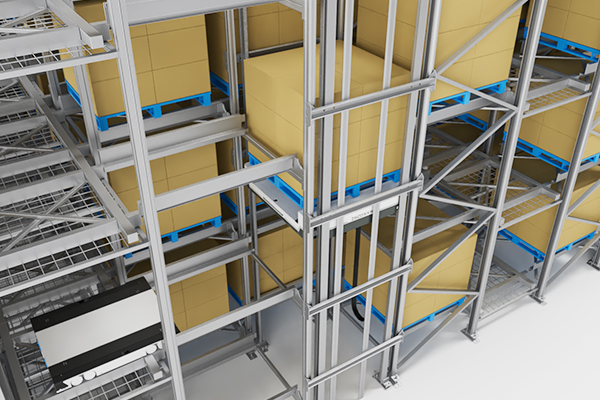
Evaluating a supplier’s operational capabilities means looking beyond product specifications to understand their processes, infrastructure, and ability to adapt. This often involves assessing logistics capabilities, delivery reliability, and how they integrate technology for efficiency. A forward-thinking supplier should demonstrate a commitment to automation in supply chain management and the use of modern warehouse automation solutions.
Site visits reveal more than documentation ever can. Equipment maintenance schedules, worker safety practices, and inventory organization all signal operational discipline. Suppliers who invest in their own infrastructure tend to deliver more consistent results over multi-year contracts.
How Should You Approach Contract Negotiation?
The negotiation phase is where the strategic value of a potential supplier is solidified through mutually beneficial terms. Total cost of ownership (TCO) matters more than unit price, encompassing delivery reliability, quality consistency, and after-sales support.
Building robust supplier relationship management (SRM) follows naturally from well-structured contracts. This involves fostering open communication, collaboration, and a shared understanding of long-term goals. For global sourcing, relationship building becomes even more critical, ensuring cultural understanding and logistical coordination across time zones and regulatory environments.
If your situation involves complex integration requirements or multi-site rollouts, it is worth discussing service level agreements and escalation protocols before committing.
Why Does Supplier Performance Monitoring Never End?
Supplier selection is an ongoing process requiring continuous monitoring, feedback, and collaborative efforts to drive improvement and adapt to evolving business needs. Clear performance metrics should be established from the outset, covering delivery reliability, quality, and responsiveness.
Regular vendor management meetings allow teams to review these metrics, address issues, and identify opportunities for joint innovation. In a recent pharmaceutical warehouse automation project, working closely with a technology supplier and implementing continuous feedback loops increased picking efficiency by 20% and reduced order fulfillment errors by 10% within the first six months. This demonstrated the tangible return on investment of strong supplier relationship management.
What Does Zikoo Offer for Warehouse Automation Partnerships?
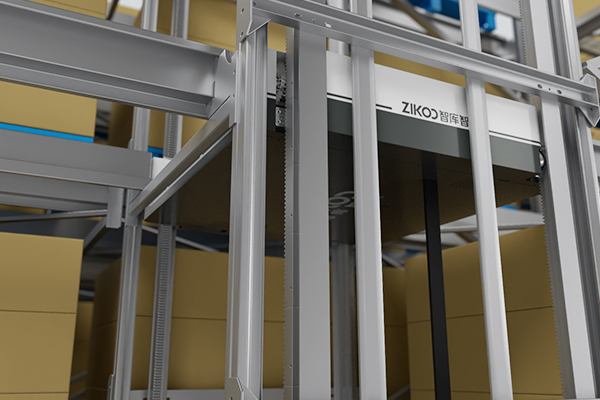
When considering suppliers for advanced warehouse automation, Zikoo Smart Technology Co., Ltd. exemplifies the criteria discussed above. The company offers pallet-to-person robotics and intelligent software designed for maximum efficiency and scalability.
Here is an overview of core robotic solutions:
| Product | Description | Key Benefit |
|---|---|---|
| U-bot Omnidirectional Stacker Robots | Autonomous pallet handling with 360-degree movement capability | Flexible aisle navigation in dense storage layouts |
| R-bot Four-Way Shuttle | High-speed shuttle system for deep-lane storage retrieval | Maximizes cubic storage utilization |
| H-bot High-Speed Elevators | Vertical transport integration for multi-level warehouses | Reduces inter-floor transfer time |
| PTP Smart Warehouse Software | Integrated WMS/WES/WCS/RCS platform | Unified control across all robotic and manual operations |
To discuss requirements for warehouse automation systems, contact the team at info@zikoo-int.com or (+86)-19941778955.
Frequently Asked Questions
What is the single most important supplier selection criterion?
Financial stability consistently ranks highest because it underpins every other capability. A supplier with strong technical skills but weak cash flow may fail to deliver when you need them most. Review at least three years of financial statements before signing any significant contract.
How many suppliers should be evaluated for a major procurement decision?
Three to five qualified candidates typically provide sufficient comparison without overwhelming the evaluation team. Fewer than three limits negotiating leverage; more than five dilutes the depth of due diligence possible within reasonable timeframes.
When should supplier selection criteria be revisited?
Review criteria annually at minimum, or whenever business strategy shifts significantly. Market conditions, technology changes, and internal growth all affect what matters most in a supplier relationship. The criteria that selected a good partner five years ago may miss critical factors today.
How do you balance cost against quality in supplier selection?
Total cost of ownership calculations force this balance into concrete numbers. A lower-priced supplier with 5% defect rates and inconsistent delivery often costs more than a premium supplier with 0.5% defects and reliable schedules. Quantify the downstream costs of quality failures before comparing bids. For guidance on structuring TCO analysis for automation equipment, reach out to discuss your specific operational parameters.
If you’re interested, check out these related articles:
Multi-Scenario Smart Adaptation: Zikoo’s Six-Way Shuttle Powers the Digital Transformation of Warehousing
Six-Way Shuttle Unlocks the Era of True 3D Intelligent Warehousing


