

Managing temperature in commercial display cases isn’t just a technical checkbox—it’s the difference between product that sells and product that spoils. Get it wrong, and you’re looking at waste, compliance headaches, and customers who won’t come back. Get it right, and you protect margins while keeping everything looking fresh. This piece breaks down how temperature zones actually work in commercial refrigeration, what matters for different product types, and where the technology is heading.
The Real Reasons Temperature Zones Exist
Temperature control in commercial display cases comes down to a few hard realities. Food spoilage is the obvious one. Bacteria don’t care about your profit margins—they multiply when conditions allow. Keeping distinct temperature zones stops that from happening and keeps public health inspectors off your back.
Then there’s the regulatory side. NSF standards and food safety guidelines aren’t suggestions. Failing to meet them means fines, shutdowns, or worse. Proper zoning makes compliance straightforward rather than a constant scramble.
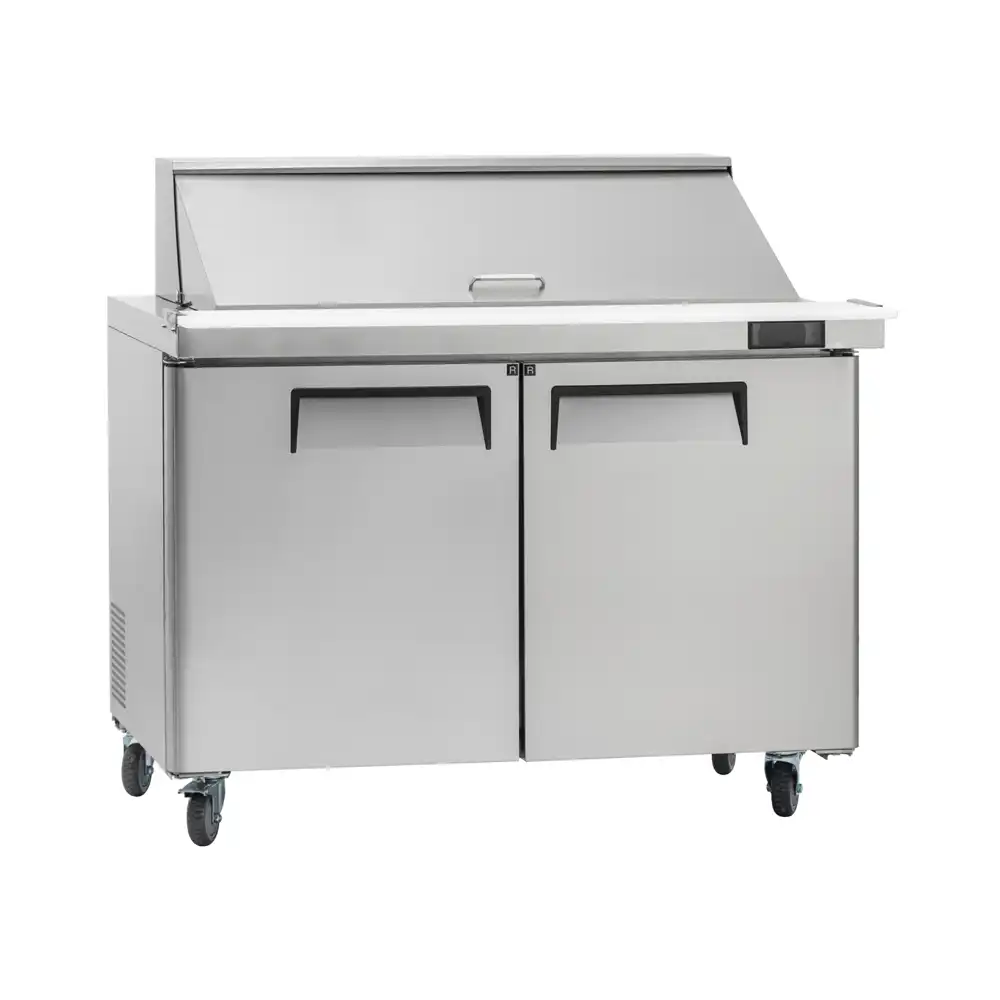

Cold chain integrity matters too. Different products need different conditions. Dairy sits at one temperature, raw meat at another, produce somewhere else entirely. Throw them all together in the same thermal environment and you’re accelerating spoilage across the board. Businesses that zone properly often see product loss drop by around 20%. That’s real money staying in the operation rather than going into the dumpster.
There’s also the presentation angle. Products that look good sell better. The right humidity and temperature prevent that dried-out, condensation-covered appearance that makes customers walk past. Systems from manufacturers like ZHEJIANG KAIMEI CATERING EQUIPMENT CO., LTD. are built to handle multiple product needs within a single unit without compromising any of these factors.
How Multi-Temperature Display Cases Actually Work
Creating distinct thermal environments inside a single display case requires some clever engineering. Multiple evaporators handle different sections independently. Airflow management keeps zones separated. The result is precise control without one area bleeding into another.
KAIMEI builds equipment across the spectrum—refrigerated merchandiser zones, bakery cases, and specialized units for specific applications. The underlying design principles stay consistent: reliable performance through robust engineering.
Cooling method matters depending on what you’re storing. Forced air systems move cold air quickly and evenly. They work well for high-turnover items that need rapid temperature recovery after restocking. Static cooling maintains higher humidity levels, which delicate produce needs to avoid drying out. Humidity control becomes critical for preventing both desiccation and excess moisture buildup.
How Multi-Deck Display Cases Maintain Distinct Temperature Zones
Multi-deck units achieve zone separation through separate refrigeration circuits and evaporators for each level. Each deck can be adjusted independently. Air curtain technology creates invisible barriers between zones and the surrounding environment, preventing thermal exchange. Internal baffling directs airflow precisely where it needs to go, creating specific microclimates. The result is temperature stratification that keeps chilled beverages at one condition and delicate pastries at another—all within the same footprint.
Making Temperature Zones Work for Safety and Sales
Strategic product placement combined with accurate temperature settings maximizes both food safety and profitability. Serve-over counters holding deli meats and cheeses need strict temperature control to prevent bacterial growth. Grab-and-go cases require consistent conditions so products stay fresh from the moment they’re stocked until a customer picks them up.
Maintenance plays a bigger role than many operators realize. Regular cleaning and calibration prevent the temperature drift that leads to spoilage. Daily temperature checks catch problems early. Adjusting settings based on actual conditions rather than assumptions keeps everything running properly. This proactive approach cuts waste and improves what customers experience when they approach the display.
Ideal Temperature Ranges by Food Type
Different foods demand different conditions. Raw meats and poultry need to stay between 0°C and 4°C (32°F to 39°F) to keep bacterial growth in check. Dairy products require 1°C to 5°C (34°F to 41°F). Fresh produce varies more—generally 4°C to 10°C (39°F to 50°F) depending on the specific item. Baked goods with cream fillings should sit around 5°C to 8°C (41°F to 46°F).
| Food Type | Ideal Temperature Range (°C) | Ideal Temperature Range (°F) |
|---|---|---|
| Raw Meats | 0°C to 4°C | 32°F to 39°F |
| Dairy Products | 1°C to 5°C | 34°F to 41°F |
| Fresh Produce | 4°C to 10°C | 39°F to 50°F |
| Baked Goods | 5°C to 8°C | 41°F to 46°F |
For more on keeping equipment running at peak performance, see our article on 《Essential Maintenance Tips for Your Commercial Chef Base Refrigerator》.
Energy and Sustainability Considerations
Modern commercial refrigeration has to balance performance with energy consumption and environmental impact. Zoned systems contribute to both goals by optimizing cooling power—delivering what’s needed where it’s needed rather than overcooling everything uniformly. This reduces overall energy draw.
KAIMEI’s multi-temperature solutions incorporate advanced insulation and eco-friendly R290 refrigerant. These choices minimize environmental impact while keeping operating costs manageable.
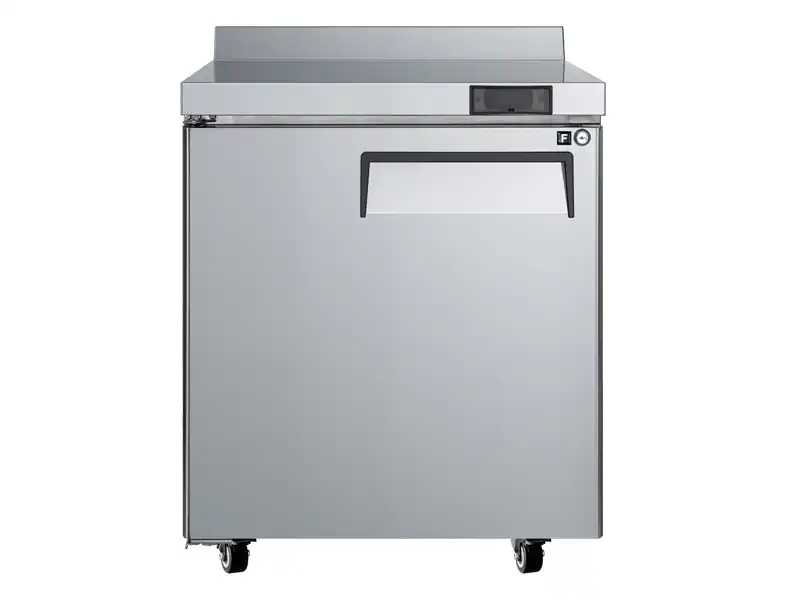

Smart technology integration helps further. Precise temperature monitoring combined with variable speed compressors adjusts cooling output based on actual demand. The system doesn’t work harder than necessary. LED lighting reduces heat load inside the case, which means less work for the refrigeration system. Materials with low global warming potential are becoming standard in responsible manufacturing.
Energy Implications of Advanced Temperature Zoning
Creating multiple zones does require more complex refrigeration circuits. Modern designs offset this through intelligent engineering. Variable speed compressors deliver precisely the cooling each zone needs without wasting energy on overcooling. LED lighting generates less heat than older technologies, reducing the thermal load the system has to manage. Proper insulation—polyurethane/cyclopentane foam construction—maintains thermal integrity and prevents energy loss through the case walls. When everything works together, smart zoning often uses less energy than single-zone units that have to overcool some products to keep others safe.
For improving overall kitchen efficiency, explore our guide on 《Optimizing Kitchen Efficiency with Integrated Worktop Refrigeration》.
Where Commercial Display Case Technology Is Heading
Smart technology and efficiency improvements are driving the next generation of commercial refrigeration. IoT monitoring is becoming standard, providing real-time data collection and remote management capabilities. Operators can see exactly what’s happening in every zone without being physically present. This enables predictive maintenance—catching potential problems before they cause product loss rather than reacting after the fact.
AI-driven temperature control systems are emerging too. These learn usage patterns over time and automatically adjust settings for optimal performance and energy savings. The system gets smarter the longer it runs.
Modular display cases offer flexibility that fixed configurations can’t match. Businesses can reconfigure temperature zones as product offerings change without replacing entire units. Sustainable materials and refrigerants continue to improve, reducing environmental footprint across the industry.
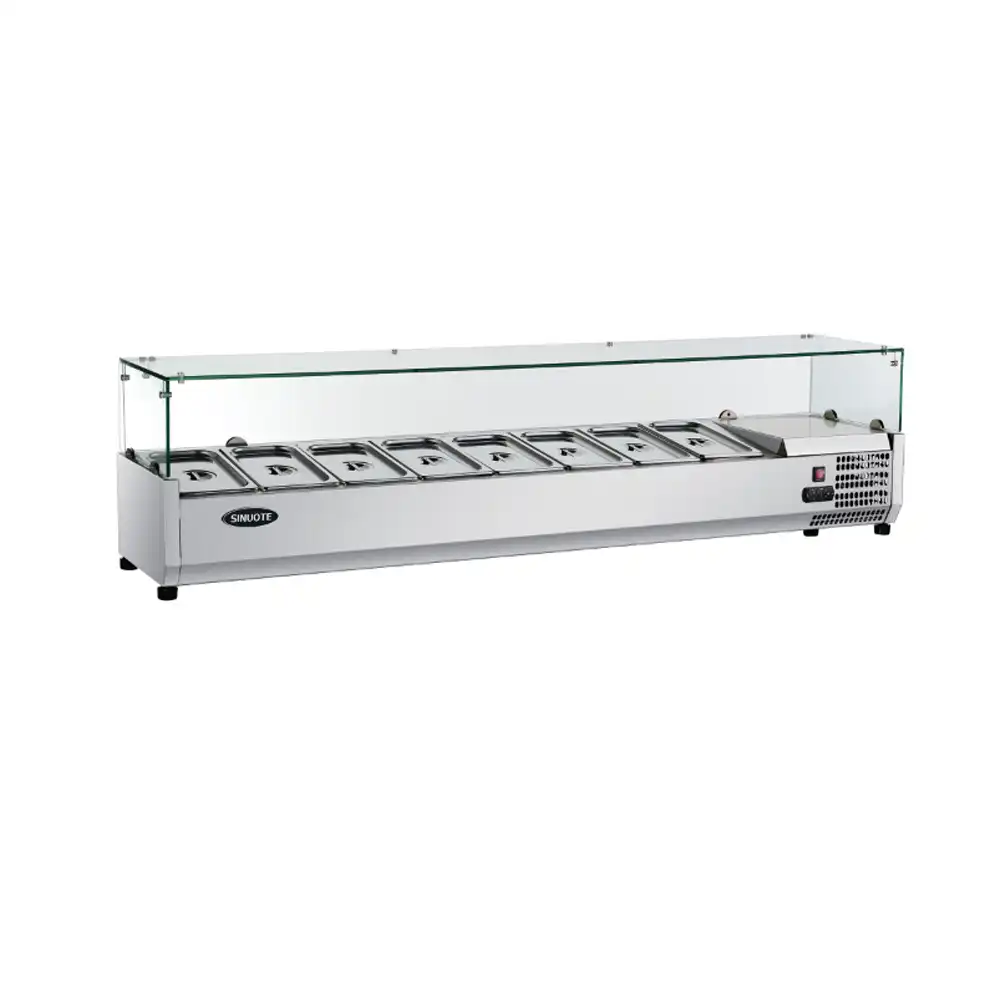
ZHEJIANG KAIMEI CATERING EQUIPMENT CO., LTD. is integrating these developments into current product lines, building equipment that meets both today’s requirements and tomorrow’s expectations.
For guidance on selecting the right equipment, see our 《Ultimate Buyers Guide for Commercial Reach In Refrigerators》.
Working with KAIMEI
ZHEJIANG KAIMEI CATERING EQUIPMENT CO., LTD. is a professional one-stop-shop refrigeration equipment manufacturer focused on temperature integrity, food safety, and operational efficiency. Our multi-temperature display solutions are designed to handle diverse product requirements while maintaining presentation quality. Reach out at +8618157202219 or Sales@hzcamay.com for a consultation or to learn more about our refrigeration technologies.
How Temperature Zones Prevent Cross-Contamination
Distinct microclimates for different food types keep products separated in ways that matter for safety. Raw meats requiring near-freezing temperatures stay isolated from baked goods that need warmer refrigeration. This separation minimizes bacterial growth risk and prevents flavor transfer between products. Advanced display cases use separate air circulation systems and physical barriers to maintain this critical separation.
Maintenance Requirements for Optimal Temperature Zones
Keeping temperature zones performing properly requires regular attention. Coils need cleaning. Door seals need inspection. Thermostats need calibration. Airflow needs to remain unobstructed. Blocked vents or dirty condensers compromise the system’s ability to maintain precise zones, leading to energy waste and potential food safety problems. ZHEJIANG KAIMEI CATERING EQUIPMENT CO., LTD. recommends establishing a scheduled maintenance plan to ensure consistent performance and equipment longevity.
Retrofitting Existing Cases for Multi-Temperature Zoning
Retrofitting older display cases for multi-temperature capability is possible in limited ways but rarely as effective as purpose-built equipment. Basic separation might be achievable with some modifications. Achieving precise, stable temperature zones typically requires integrated design features—multiple evaporators, advanced insulation, sophisticated control systems—that can’t easily be added after the fact. Purpose-built multi-temperature display cases from manufacturers like ZHEJIANG KAIMEI deliver the performance and compliance that retrofits struggle to match.