


Selecting an industrial four-way shuttle system looks straightforward until the hidden costs surface. We see teams miss key cost drivers and end up with surprise expenses and weaker returns. A solid investment review weighs system capacity, scalability, and integration complexity alongside the sticker price. That lens clarifies both upfront spend and long-term operating costs, so decisions around warehouse automation hold up over time.
Factors Influencing Shuttle System Procurement
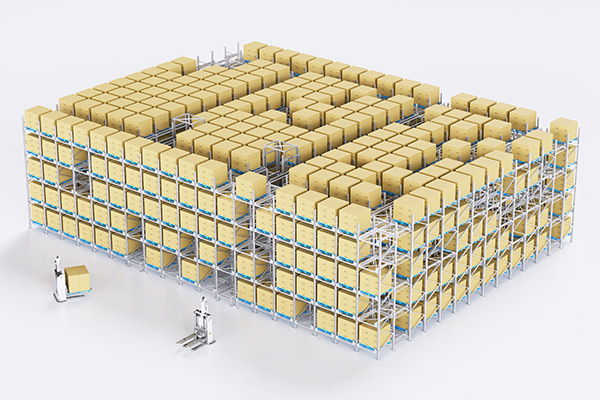
The procurement of industrial four-way shuttle systems involves various cost drivers that significantly impact the overall investment. Pricing tracks with automation complexity; solutions engineered for higher throughput or specialized environments naturally cost more. System capacity, defined by the number of R-bot Four-way Shuttles and storage locations, is a primary lever. Larger capacities and higher throughput requirements demand more robots and sturdier infrastructure, which raises the initial outlay.
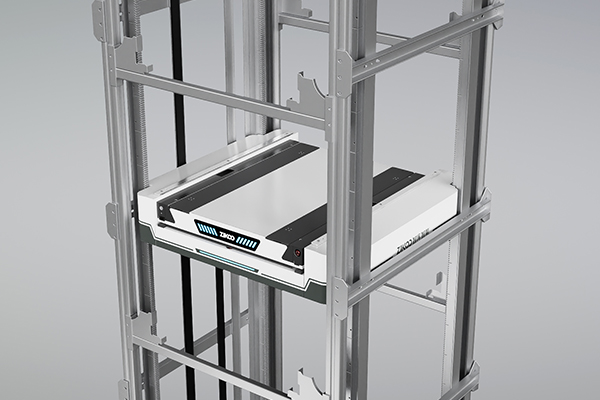
Scalability considerations also influence pricing. Systems designed for future expansion, allowing for additional R-bot units or integration with H-bot Vertical Bidirectional Shuttles for Six-way shuttle functionality, may have higher upfront costs but offer long-term flexibility. Integration challenges, such as connecting with existing warehouse management systems (WMS) or enterprise resource planning (ERP) software, can add significant expenses. These factors collectively set the financial scope of a four-way shuttle deployment, moving beyond a simple unit cost comparison. Understanding these industrial four way shuttle cost drivers is essential for accurate budgeting and strategic planning.
Comprehensive Cost Breakdown for Automated Shuttles
A detailed cost breakdown for automated shuttle systems shows how layered this investment is, well beyond the price of the equipment. We analyze the financial components to bring clarity to cost evaluation, helping teams grasp the total cost of ownership (TCO). This includes hardware, software, installation, and ongoing operational expenses.
| Cost Category | Typical Percentage of TCO | Description |
|---|---|---|
| Hardware | 40-50% | Shuttles, racking, conveyors |
| Software & Integration | 20-30% | WMS, WES, WCS, RCS, customization |
| Installation | 10-15% | Site preparation, system deployment |
| Maintenance & Support | 10-15% | Spare parts, service contracts, repairs |
| Energy Consumption | 5-10% | Electricity for robots, charging, system operation |
This table illustrates typical cost percentages, though actual figures vary based on system scale and specific requirements. We consider automated shuttle hardware cost, software licensing fees, installation expenses, maintenance contracts, and energy consumption costs as critical elements of the total cost of ownership TCO. This level of detail helps with price comparisons and planning for future spend.
Hardware and Infrastructure Investments
Hardware represents a substantial portion of the initial investment. The shuttle robot unit cost for Zikoo’s R-bot Four-way Shuttle, available in models like the R1200B (1200 kg load) or R1500J (1500 kg load), varies based on load capacity and specifications. Racking system pricing is determined by height, density, and material, supporting the dense storage capabilities of the shuttle. Additionally, conveyor integration cost is incurred if the system requires connection with existing material handling equipment. Any necessary warehouse infrastructure upgrades, such as floor leveling or power supply enhancements, also contribute to this capital expenditure.
Software and Integration Expenses
Software and integration are critical, often underestimated, cost components. The PTP Smart Warehouse Software, encompassing WMS (Warehouse Management System), WES (Warehouse Execution System), WCS (Warehouse Control System), and RCS (Robot Control System), forms the intelligent core of the system. Costs include software licensing fees, customization for specific operational workflows, and system integration fees to ensure reliable communication with existing IT infrastructure. Data migration costs are also incurred when transferring historical inventory data to the new system. These elements are vital for maximizing the efficiency of the automated shuttle system.
Evaluating Long Term Value and Return on Investment
Beyond initial expenditures, evaluating the long-term value and return on investment (ROI) is key to justifying a four-way shuttle system. We guide clients through calculating the ROI, focusing on operational efficiency gains, labor cost reduction, and improved inventory accuracy. A typical ROI calculation warehouse automation considers these factors over a 2-5 year period. Scalability for future growth is another significant benefit, allowing businesses to adapt to changing demands without major re-investments. This approach ensures that the total cost of ownership (TCO) vs initial investment provides a clear picture of long-term financial viability.
For more insights into optimizing your warehouse operations, consider reading 《Six-Way Shuttle: The Smart Warehousing Tool for Cost Reduction and Efficiency》.
Operational Efficiency and Labor Optimization
Four-way shuttle systems significantly enhance operational efficiency and optimize labor utilization. By automating tasks like put-away and retrieval, they achieve automated picking efficiency, reducing reliance on manual labor. This leads to substantial labor cost reduction and improved throughput optimization. The R-bot Four-way Shuttle, with its 1.2 m/s loaded speed, ensures rapid order fulfillment speed. The inherent precision of automated systems also contributes to error reduction automation, minimizing picking mistakes and improving overall inventory accuracy.
Optimize Your Operations with Zikoo Smart Technology
Discover how Zikoo Smart Technology Co., Ltd.’s R-bot Four-Way Shuttle and PTP Smart Warehouse Software can optimize your industrial operations. Our experts provide detailed cost analysis and tailored solutions to ensure maximum return on your automation investment. Contact us today for an in-depth consultation and a transparent quote that aligns with your strategic objectives. Improve warehouse efficiency with Zikoo’s proven robotics and intelligent software. Email us at info@zikoo-int.com or call us at (+86)-19941778955.
FAQs
What are the primary factors influencing the initial price of a four-way shuttle system?
The initial price of a four-way shuttle system is primarily influenced by system capacity, desired throughput, and the overall complexity of warehouse automation. Factors like the number of R-bot Four-way Shuttles required, specialized features for cold chain operations, and integration needs with existing WMS or ERP systems contribute significantly. Larger, more sophisticated systems with extensive software integration will naturally incur higher initial costs.
How can I calculate the total cost of ownership for an industrial four-way shuttle system?
Calculating the total cost of ownership (TCO) involves more than just the purchase price. It includes initial capital expenditures for hardware and software, installation expenses, and ongoing operational costs. These operational costs cover energy consumption, routine maintenance, spare parts, and potential future upgrades. Factoring in efficiency gains and labor savings provides a comprehensive view of the long-term financial impact.
What is the typical return on investment for implementing a four-way shuttle system?
The typical return on investment (ROI) for a four-way shuttle system varies but is generally seen within 2-5 years. Key drivers for this ROI include significant labor cost reduction, increased throughput, improved inventory accuracy, and enhanced space utilization. The specific ROI depends on the scale of implementation and the operational efficiencies achieved by the automated system.


