


Choosing who builds your warehouse automation isn’t a procurement decision—it’s a bet on how your operations will run for the next decade. The partner you select determines whether your robotics investment compounds in value or becomes a maintenance headache that limits future flexibility. Most selection processes focus too heavily on equipment specs and not enough on what happens after installation: how quickly problems get solved, whether the software keeps pace with your WMS evolution, and whether the partner’s engineering team actually understands your industry’s constraints. This guide walks through what to evaluate when selecting a long-term automation partner, from the internal groundwork that shapes your requirements to the warning signs that should make you walk away from a deal.
What Should You Clarify Internally Before Talking to Any Automation Vendor?
The automation needs assessment happens before any sales call. Without it, you end up evaluating partners based on their pitch decks rather than your actual operational gaps.
Start with your current pain points. Where do orders bottleneck? Which SKU categories create the most picking errors? What happens to throughput during peak seasons? These questions reveal whether you need dense storage solutions, faster picking cycles, or better inventory visibility—each pointing toward different robotics configurations.
Then project forward. A system sized for today’s volume becomes a constraint in three years if you’re growing 15% annually. Floor load capacity, ceiling height, and aisle dimensions all constrain which robots can operate in your facility. Document these physical parameters early; they eliminate certain solutions before you waste time on proposals that won’t fit.
Integration complexity deserves its own assessment. If your WMS is heavily customized or your ERP has non-standard data structures, the integration work can exceed the cost of the robots themselves. Partners who underestimate this complexity will either blow the timeline or deliver a system that never quite works right.
The ROI calculation should include realistic assumptions about labor reallocation, error reduction, and throughput gains—not the vendor’s best-case projections. Conservative estimates that still show positive returns indicate a sound investment; numbers that only work under optimistic assumptions should trigger deeper scrutiny.
How Do You Evaluate Whether a Partner’s Technology Actually Fits Your Operations?
Technical capability assessment goes beyond checking boxes on a feature list. You’re evaluating whether the partner’s engineering approach matches the problems you need solved.
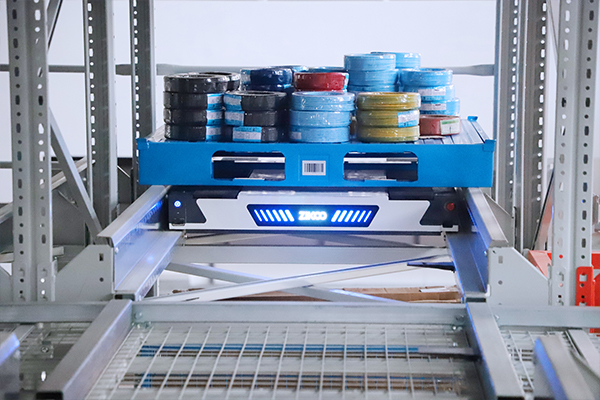
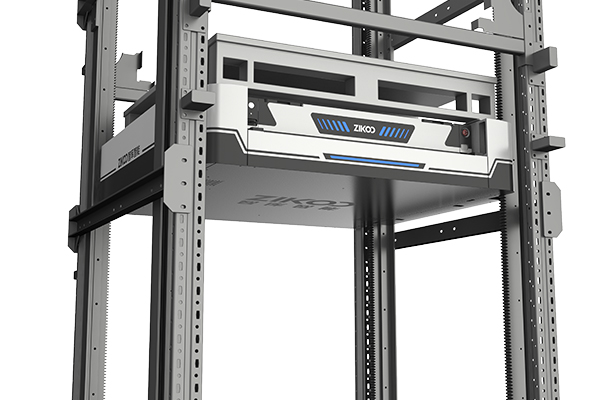
Look at their robotics portfolio through the lens of your specific material flow. Omnidirectional stackers like the U-bot handle narrow-aisle configurations where traditional forklifts can’t operate efficiently. Four-way shuttles such as the R-bot excel in dense pallet storage where maximizing cubic utilization matters more than access speed. High-speed elevators like the H-bot solve vertical transfer bottlenecks in tall rack systems. The question isn’t which robot is “best”—it’s which combination addresses your actual constraints.
| Robot Type | Movement Capability | Primary Use Case | Capacity |
|---|---|---|---|
| U-bot | Omnidirectional stacking | Narrow aisle storage optimization | 1000 kg |
| R-bot | Four-way shuttle movement | Dense pallet storage, multi-shuttle coordination | Up to 2000 kg |
| H-bot | Vertical bidirectional transfer | High-rack systems, floor-to-floor movement | 1800 kg |
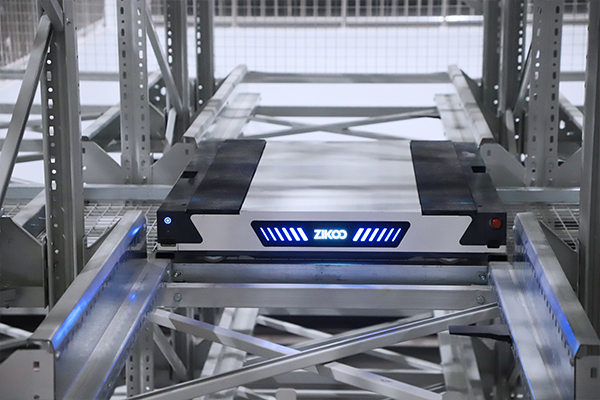
The R-bot’s 125mm body thickness allows operation in rack configurations that would be impossible for bulkier equipment. Combined with the H-bot, it forms a six-way shuttle system that handles both horizontal and vertical movement without manual intervention points. These specifications matter when you’re trying to retrofit automation into an existing facility rather than building greenfield.
Software integration capability often determines long-term success more than hardware specs. The PTP Smart Warehouse Software suite—covering WMS, WES, WCS, and RCS functions—needs to communicate cleanly with your existing systems. Ask for specific examples of integrations with platforms similar to yours. Generic claims about “seamless connectivity” mean nothing without reference implementations.
Evaluate the partner’s innovation trajectory. What’s on their development roadmap? How do they handle technology transitions? A partner still selling five-year-old control systems may offer lower upfront costs but will leave you stranded when those systems reach end-of-life.
What Does a Realistic Implementation Timeline Look Like?
Implementation timelines in automation projects are notoriously optimistic in proposals and consistently longer in reality. Understanding what drives delays helps you evaluate whether a partner’s timeline is credible.
System integration work typically consumes more time than physical installation. Connecting robotic control systems to existing WMS platforms requires iterative testing, data mapping adjustments, and workflow modifications that can’t be fully scoped until the project begins. Partners who acknowledge this uncertainty and build buffer time into their schedules demonstrate experience; those who promise aggressive timelines without contingencies are either inexperienced or overselling.
Staff training requirements depend on how much your operational processes change. If the automation augments existing workflows, training might take weeks. If it fundamentally restructures how orders flow through your facility, expect months of parallel operation before the old processes can be retired.
Preventative maintenance schedules should be defined before go-live, not figured out afterward. A partner who can’t articulate their maintenance approach during the sales process probably hasn’t standardized it—which means you’ll be their test case for developing those procedures.
Risk assessment in automation projects should identify specific failure modes and mitigation strategies. What happens if a robot fleet experiences a firmware bug? How quickly can replacement parts arrive? What’s the escalation path when standard support can’t resolve an issue? Partners who’ve handled these situations before can answer these questions concretely.
What Should Post-Installation Support Actually Include?
The support relationship after installation determines whether your automation investment appreciates or depreciates over time.
Immediate technical assistance means response times measured in hours, not days. When a robot goes down during peak operations, every hour of delay costs throughput. Service level agreements should specify response windows and escalation procedures, with penalties for missed commitments.
Software updates for WMS and control systems need to happen regularly without disrupting operations. Ask how updates are deployed, tested, and rolled back if problems emerge. A partner who pushes updates without staging environments or rollback procedures will eventually cause an outage.
Preventative maintenance programs should include scheduled inspections, wear-part replacement, and performance monitoring that catches degradation before it causes failures. The best programs use telemetry data from the robots themselves to predict maintenance needs rather than following fixed calendars.
Continuous improvement should be part of the relationship, not an upsell. As your operations evolve, the automation system should evolve with it. Partners who treat post-installation optimization as a separate revenue stream rather than an ongoing service obligation will nickel-and-dime you for every adjustment.
How Do You Calculate the True Cost of Automation Over Its Lifespan?
Total cost of ownership extends far beyond the purchase price, and partners who emphasize upfront cost savings often hide expenses that emerge later.
Installation costs vary dramatically based on facility preparation requirements. Electrical upgrades, floor repairs, rack modifications, and network infrastructure can add 20-40% to the equipment cost. Get detailed site assessments before accepting any proposal.
Software licensing models differ significantly across vendors. Some include perpetual licenses; others charge annual fees that compound over time. A system that looks cheaper upfront may cost more over ten years when licensing fees are included.
Energy consumption matters more as electricity costs rise. Efficient motor designs and intelligent power management can reduce operating costs by 15-25% compared to less sophisticated systems. Ask for energy consumption data from comparable installations.
Upgrade paths affect long-term costs. If adding capacity requires replacing existing equipment rather than expanding it, your initial investment loses value. Partners with modular architectures that allow incremental expansion protect your capital better than those selling monolithic systems.
The CapEx versus OpEx decision depends on your financial structure. Robotics-as-a-service models shift costs from capital expenditure to operational expenditure, which may align better with some organizations’ financial strategies. Neither approach is inherently superior; the right choice depends on your specific situation.
Why Does a Long-Term Partnership Approach Improve Returns?
The ROI from warehouse automation compounds when the partner relationship supports continuous improvement rather than treating installation as the end of engagement.
Consistent optimization requires ongoing attention. Workflow patterns shift as your product mix changes, seasonal demand fluctuates, and customer expectations evolve. A partner who monitors system performance and proactively suggests adjustments captures efficiency gains that a set-and-forget approach misses.
Downtime reduction comes from predictive maintenance and rapid problem resolution—both of which improve when the partner knows your specific installation intimately. Generic support from a vendor who treats you as one of thousands of identical customers can’t match the responsiveness of a partner invested in your success.
Technology evolution happens faster in robotics than in most industrial equipment categories. A partner who keeps you informed about relevant advances and helps you evaluate upgrade opportunities ensures your system doesn’t become obsolete while competitors modernize.
If your operation involves high-SKU complexity or seasonal demand swings, discussing optimization strategies with a partner who understands those patterns is worth doing before finalizing any contract.
What Warning Signs Should Disqualify a Potential Partner?
Red flags in automation partner selection often appear early but get rationalized away in the enthusiasm of a promising proposal.
Vendor lock-in risks emerge when proprietary systems limit your future options. If a partner’s robots only work with their software, their storage racks only fit their robots, and their data formats don’t export cleanly, you’re building dependency rather than capability. Ask explicitly about interoperability and data portability.
Unrealistic promises about timelines or performance should trigger skepticism. If a partner claims implementation timelines 30% shorter than competitors or throughput improvements 50% higher, they’re either using different assumptions or overselling. Request the specific conditions under which their claims hold.
Weak customer references indicate either limited experience or dissatisfied clients. Ask for references from installations similar to yours in scale and complexity, then actually call them. Questions about what went wrong and how it was resolved reveal more than questions about what went right.
Insufficient support infrastructure becomes apparent when you ask about support staff locations, escalation procedures, and parts inventory. A partner who can’t explain how they’ll support you after installation probably hasn’t figured it out yet.
Contract ambiguity around ongoing costs, service scope, or performance guarantees creates future disputes. If the contract language is vague about what’s included in maintenance agreements or how change orders are priced, expect surprises later.
Frequently Asked Questions About Automation Partnerships
How long does implementing a warehouse automation system typically take?
Timeline depends heavily on system complexity and integration requirements. Straightforward deployments with minimal WMS integration might complete in four to six months. Comprehensive multi-robot systems with deep software integration and significant workflow changes often require twelve to eighteen months from contract signing to full production operation. The automation implementation timeline should include buffer for integration testing and parallel operation periods—any proposal that doesn’t account for these phases is probably optimistic.
Can Zikoo’s systems integrate with existing WMS and ERP platforms?
The PTP Smart Warehouse Software suite handles WMS, WES, WCS, and RCS functions and is designed to integrate with existing enterprise systems. The integration approach involves mapping data flows between your current platforms and the robotic control systems, with iterative testing to ensure transactions process correctly. The complexity of your existing system customizations determines how much integration work is required—standard configurations integrate faster than heavily modified platforms.
What operational lifespan should you expect from warehouse robots?
Quality warehouse automation robots typically operate effectively for ten to fifteen years with proper maintenance. The R-bot and U-bot systems are engineered for industrial durability, with wear components designed for replacement rather than requiring full unit replacement. Actual lifespan depends on operating intensity, environmental conditions, and maintenance consistency. A well-maintained fleet in a climate-controlled facility will outlast one running continuous shifts in temperature-variable conditions. To discuss maintenance requirements for your specific operating environment, contact Zikoo Smart Technology at info@zikoo-int.com or (+86)-19941778955.
If you’re interested, you may want to read the following articles:
Six-Way Shuttle: The Smart Warehousing Tool for Cost Reduction and Efficiency
Standardization Empowers Global Delivery: Zikoo Robotics Six-Way Shuttle Expands Overseas


