


Choosing between domestic and imported automated storage and retrieval systems for warehouse operations comes down to more than sticker price. The decision shapes maintenance budgets, expansion timelines, and how quickly you recover from equipment failures over the next decade. This comparison works through the factors that actually move the needle—throughput under real conditions, total cost of ownership across the system lifecycle, and what happens when something breaks at 2 AM on a holiday weekend.
How Throughput and Reliability Numbers Play Out in Practice
Throughput specifications on a datasheet tell you what a shuttle system can do under ideal conditions. What matters more is what it delivers when integrated with your existing warehouse management system and running three shifts in summer heat or winter cold.
Imported systems from established global manufacturers often publish higher theoretical speeds, backed by decades of R&D investment. Those numbers hold up in controlled environments. The gap narrows once you factor in integration complexity with local WMS platforms and the reality that your facility probably was not designed around European or Japanese racking standards.
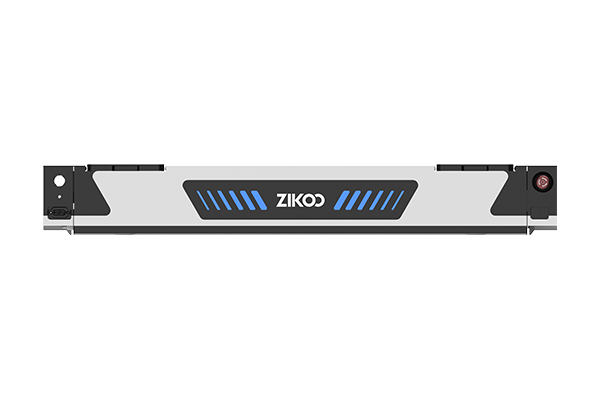
Domestic four-way shuttle robots take a different approach. Zikoo’s R-bot, for instance, runs at 1.6 m/s empty and 1.2 m/s loaded—competitive with most imported alternatives in the same price bracket. More relevant for operations managers: the R1200B model handles temperatures down to -15℃ and delivers 8 hours of continuous operation per charge. Cold storage facilities and multi-shift operations care about those specs more than peak velocity.
Reliability is where the domestic versus imported question gets interesting. Imported systems accumulate longer track records, which matters for risk-averse procurement committees. But reliability in practice depends on how fast you can get a technician on site when a sensor fails or a battery degrades. A system with 99.5% theoretical uptime that requires a 72-hour wait for a service engineer from overseas delivers worse actual availability than a 99% system with same-day local support.
| Performance Factor | Domestic Systems (Zikoo R-bot example) | Imported Systems |
|---|---|---|
| Loaded Speed | 1.2 m/s | Varies, sometimes higher |
| Temperature Range | Down to -15℃ | Typically 0-40℃ |
| Battery Runtime | 8 hours continuous | 6-10 hours typical |
| Service Response | Same-day local teams available | 48-72 hours for complex issues |
| WMS Integration | Designed for regional platforms | May require middleware |
What Total Cost of Ownership Actually Includes Beyond the Quote
The purchase order represents maybe 40% of what you will spend on a shuttle system over its operational life. The rest accumulates in maintenance contracts, spare parts, energy consumption, and the revenue you lose during unplanned downtime.
Initial costs favor domestic systems for straightforward reasons: no ocean freight, no import duties, no currency exchange risk. A domestic shuttle system might cost 15-25% less at purchase for equivalent specifications. That gap either widens or narrows over time depending on how the operational costs shake out.
Maintenance contracts from local manufacturers tend to run cheaper because technicians do not need international travel budgets. More importantly, response times shrink. When a shuttle goes down during peak season, the difference between a 4-hour fix and a 4-day wait translates directly to order backlog and customer complaints.
Spare parts logistics create another cost divergence. Domestic suppliers maintain local warehouses with common replacement components—motors, sensors, batteries, control boards. Lead times run days rather than weeks. Imported systems pull parts from overseas distribution centers, which works fine for planned maintenance but creates problems for unexpected failures. One logistics manager I spoke with tracked a 12-day wait for a replacement drive unit on an imported system; the downtime cost exceeded the part price by a factor of eight.
Energy consumption varies less between domestic and imported systems than procurement teams often assume. Modern shuttle robots from any reputable manufacturer optimize for efficiency because battery life directly affects operational flexibility. The more meaningful energy cost difference comes from charging infrastructure compatibility with local electrical standards.
Why Local Support Changes the Math on Long-Term Costs
Local support does not just reduce service costs—it changes the risk profile of the entire investment. A shuttle system is a production asset. When it stops, your warehouse throughput drops, orders back up, and customers notice.
Response time is the critical variable. Domestic manufacturers with regional service networks can have technicians on site within hours for most facilities. Imported system support typically involves remote diagnostics first, then scheduling a visit that might require international coordination. The gap between “we’ll have someone there tomorrow morning” and “our nearest certified technician can fly in Thursday” compounds over years of operation.
Cost implications extend beyond the service call itself. Local teams charge domestic rates without travel premiums. They carry common parts in their vehicles. They speak the same language as your maintenance staff, which reduces miscommunication during troubleshooting. These factors add up to lower per-incident costs and faster resolution times.
The support advantage also affects how aggressively you can push system utilization. Operations managers running imported systems often maintain larger safety margins—keeping one or two shuttles in reserve, scheduling more frequent preventive maintenance—because the consequences of an unexpected failure are more severe. Domestic system operators can run leaner because help is closer.
If your facility runs multiple shifts or handles time-sensitive inventory, the support infrastructure behind your shuttle system matters as much as the system specifications. Discussing service level agreements and response time guarantees before signing a purchase contract is worth the conversation.
How Integration Complexity Affects Scalability
Technological integration determines whether your shuttle system becomes a strategic asset or an operational headache. The question is not whether a system can integrate with your WMS—any modern shuttle system can, eventually—but how much effort and customization that integration requires.
Software compatibility starts with communication protocols. Domestic systems designed for regional markets typically support the WMS platforms common in those markets out of the box. Zikoo’s PTP Smart Warehouse Software, for example, provides unified management across WMS, WES, WCS, and RCS layers, reducing the middleware and custom development that imported systems sometimes require.
Customization flexibility matters more than procurement teams often recognize during initial evaluation. Warehouse layouts evolve. Product mixes change. Seasonal demand creates temporary capacity requirements. Domestic manufacturers generally offer more willingness to modify standard configurations for specific client needs, partly because their engineering teams are accessible and partly because their business models depend on regional relationships rather than global volume.
Scalability is where integration complexity becomes a strategic issue. Adding capacity to an automated storage and retrieval system should be straightforward: order more shuttles, install more racking, update the software configuration. In practice, expansion projects reveal integration debt accumulated during initial deployment. Systems with clean, well-documented interfaces scale more easily than systems held together with custom workarounds.
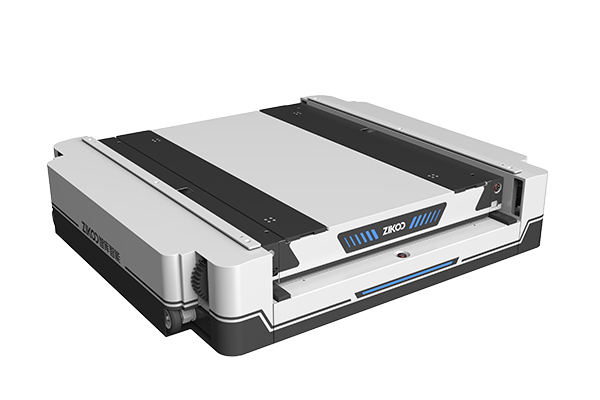
Zikoo’s approach to scalability illustrates the domestic advantage here. The R-bot integrates with the H-bot vertical bidirectional shuttle to create six-way shuttle configurations, enabling capacity expansion without replacing the original equipment. The U-bot omnidirectional stacking robot supports lifting heights up to 8 meters in narrow aisles, allowing vertical expansion when floor space is constrained. These modular combinations work because the underlying software architecture was designed for them.
Which System Type Scales Better for Growing Operations
Domestic shuttle systems typically scale more smoothly for several practical reasons. Lead times for additional components run shorter when manufacturing happens regionally. Engineering support for expansion projects is more accessible. And the original system design often anticipates local warehouse configurations and growth patterns.
Modularity is the technical foundation of scalability. Systems built from standardized, interchangeable components allow incremental capacity additions without major reengineering. Zikoo’s R-bot and U-bot product lines exemplify this approach—standardized interfaces, common control systems, and documented integration procedures that reduce expansion project complexity.
The U-bot deserves specific attention for facilities planning vertical expansion. With 8-meter lifting capability and narrow aisle operation, it enables higher storage density without expanding the building footprint. For growing operations facing real estate constraints, that capability translates to deferred capital expenditure on new facilities.
Cost-effective expansion also depends on supplier relationships. Domestic manufacturers with regional presence can provide site assessments, integration planning, and project management support that imported system vendors typically outsource to local partners. The direct relationship reduces coordination overhead and keeps accountability clear.
What Supply Chain Disruptions Reveal About System Choices
Post-purchase support quality becomes visible during normal operations. Supply chain resilience becomes visible during disruptions—and the past few years have provided plenty of test cases.
Warranty terms and technical support availability differ systematically between domestic and imported systems. Domestic providers offer local language support, on-site assistance without international travel coordination, and service level agreements calibrated to regional expectations. These advantages compound during high-demand periods when everyone needs support simultaneously.
Spare parts logistics expose the most significant resilience difference. Domestic manufacturers maintain local inventory for common components. When a critical part fails, replacement arrives in days. Imported systems depend on global distribution networks that proved fragile during recent supply chain disruptions. Extended lead times for replacement parts translated to extended downtime for facilities running imported equipment.
Geopolitical factors add another layer of risk to imported system dependencies. Trade policies shift. Shipping routes face disruptions. Currency fluctuations affect parts pricing. None of these risks apply to domestic supply chains in the same way. For operations that cannot tolerate extended downtime, supply chain resilience is a procurement criterion, not an afterthought.
How Regulatory Compliance Shapes System Selection
Regulatory compliance rarely drives shuttle system selection, but it can complicate deployment and ongoing operation if not addressed during procurement. Safety standards, data protection requirements, and industry-specific regulations all apply to automated storage and retrieval systems.
Domestic manufacturers design their systems with local regulatory frameworks as the baseline. Compliance documentation, safety certifications, and inspection procedures align with what local authorities expect. Imported systems may require additional certification work, documentation translation, or configuration changes to meet local requirements.
Data security has become a more prominent compliance consideration as warehouse automation systems grow more connected. Software components that collect operational data, communicate with cloud services, or integrate with enterprise systems must comply with local data protection laws. Domestic systems typically incorporate these requirements from initial design; imported systems may require configuration changes or additional security layers.
Safety standards for automated material handling equipment vary by jurisdiction. Domestic systems are tested and certified against local standards. Imported systems may carry international certifications that local authorities accept, or may require additional testing. The compliance path is usually clearer for domestic equipment.
A Framework for Comparing Shuttle System Options
The domestic versus imported decision is not about which category is universally better. It is about which option aligns with your specific operational requirements, risk tolerance, and growth trajectory.
| Decision Factor | Domestic Advantage | Imported Advantage |
|---|---|---|
| Initial Cost | Lower logistics and duty costs | Sometimes lower for high-volume standard configurations |
| Maintenance Cost | Local support reduces per-incident costs | Established global service networks for multinational operations |
| Customization | More flexible for specific requirements | Standardized designs reduce configuration risk |
| Support Response | Hours rather than days for most issues | Consistent global service standards |
| Scalability | Shorter lead times, local engineering support | Proven expansion playbooks from global deployments |
| Supply Chain Risk | Less exposure to international disruptions | Diversified global sourcing for some components |
| Compliance | Designed for local regulations | May carry broader international certifications |
The right choice depends on how you weight these factors. Facilities with high uptime requirements and limited tolerance for extended downtime lean toward domestic systems for support responsiveness. Operations planning significant expansion favor domestic systems for scalability flexibility. Multinational companies standardizing on a single platform across global facilities may prefer imported systems for consistency.
Frequently Asked Questions About Shuttle Systems
How do domestic shuttle systems compare in terms of initial investment versus imported options?
Domestic systems typically cost 15-25% less at purchase due to eliminated shipping costs and import duties. The more meaningful comparison requires total cost of ownership analysis across the expected system lifespan—maintenance contracts, spare parts, downtime costs, and expansion expenses all factor into the real financial picture. A lower purchase price can be offset by higher operational costs, or a higher purchase price can deliver better long-term value through lower maintenance and faster support response.
What are the primary considerations for integrating a new shuttle system into an existing warehouse management system?
Integration success depends on three factors: protocol compatibility between the shuttle system and your WMS, API documentation quality for custom development work, and the availability of engineering support during deployment. Zikoo’s PTP Smart Warehouse Software addresses these by providing unified management across WMS, WES, WCS, and RCS layers with documented interfaces. The practical question during evaluation is not whether integration is possible but how much custom development and ongoing maintenance the integration requires.
Can shuttle systems truly reduce labor costs and improve overall warehouse efficiency?
The labor cost reduction is real and measurable—automated storage and retrieval systems eliminate manual pallet handling, reduce forklift traffic, and enable 24-hour operation without proportional staffing increases. Efficiency gains extend beyond labor to include higher storage density, faster order fulfillment, improved inventory accuracy, and reduced product damage. ROI timelines vary by facility but typically range from 2-4 years for well-planned deployments. To explore how these systems might fit your specific operation, contact Zikoo at info@zikoo-int.com or (+86)-19941778955.
If you’re interested, you may want to read the following articles:
Six-Way Shuttle System Leads the Shift from Machines to Robots in Dense Storage Automation
Smart Warehousing Starts Here: Cost-Effective Four-Way Shuttle Systems
Smart Cold Chain Era: Six-Way Shuttle System Redefines Storage Efficiency with Maximum Density
Standardization Empowers Global Delivery: Zikoo Robotics Six-Way Shuttle Expands Overseas
Six-Way Shuttle Empowers 3PL Providers to Build Next-Generation Smart Logistics Hubs


