by xue | Oct 26, 2026 | Technical Articles
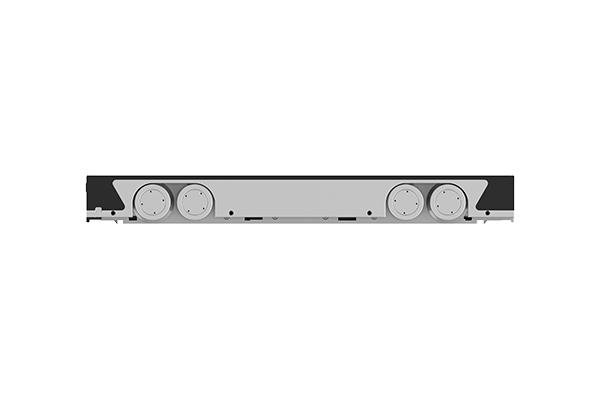
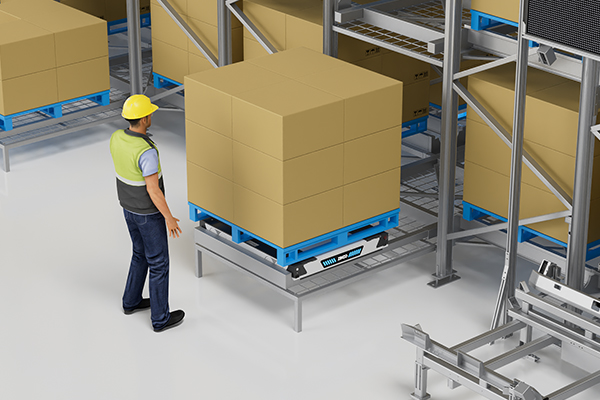
An automated pallet shuttle system changes the economics of deep-lane storage by moving pallets inside a rack lane without requiring a forklift to enter the lane. In a semi-automatic configuration, the shuttle moves within one lane and is relocated between lanes by an...
by xue | Oct 25, 2026 | Technical Articles
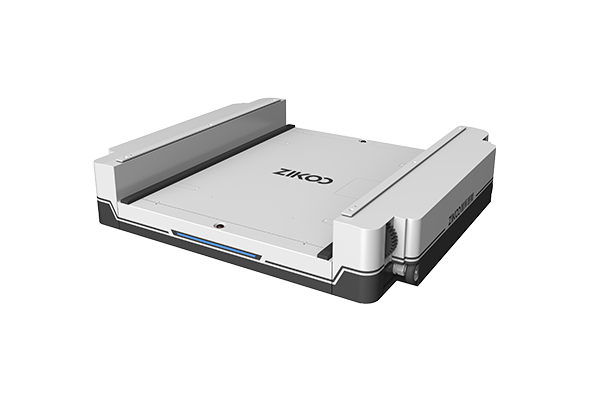
A pallet shuttle system combines a motorized shuttle car with deep rack lanes to store pallets several positions behind the aisle. The shuttle travels on rails inside the lane, lifts a pallet, and moves it between the aisle face and a deeper storage location. Shuttle...
by xue | Oct 24, 2026 | Technical Articles
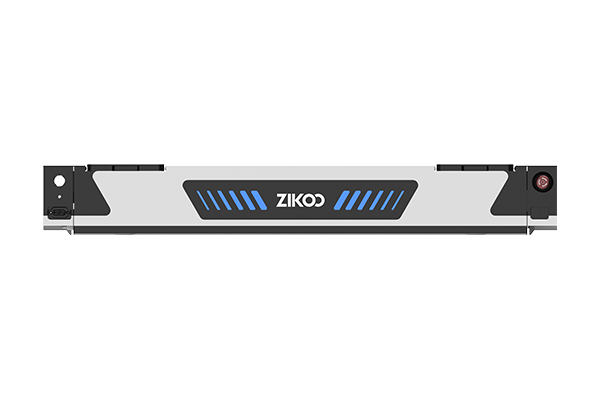
Four-way shuttle systems are increasingly judged by software as much as by shuttle speed. The component that determines whether a multi-shuttle system stays fluid under peak workload is the warehouse control system (WCS). This article explains four-way shuttle + WCS...
by xue | Oct 23, 2026 | Technical Articles
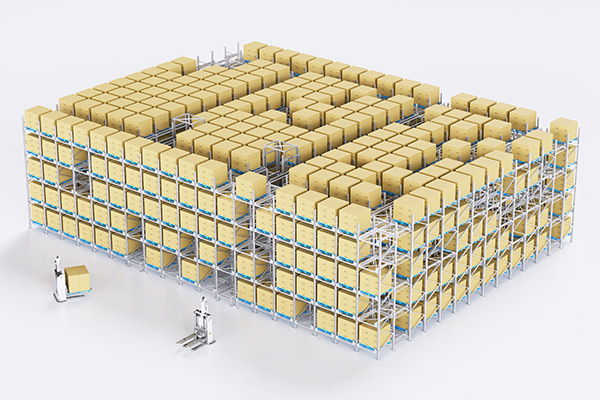
Choosing between a four-way shuttle and a 2-way pallet shuttle usually comes down to one question: does your warehouse need pallets to move freely across the rack grid, or can it accept lane-level movement with periodic transfers? The two systems look similar in a...
by xue | Oct 22, 2026 | Technical Articles
Autonomous pallet handling has moved from material-handling experiment to systems-engineering discipline. An intelligent pallet robot is not a motorized cart that happens to carry a load. It is a controlled vehicle that combines motion control, positioning, energy...
by xue | Oct 21, 2026 | Technical Articles
Pallet movement is the backbone of warehouse performance, but the robot choice changes the entire building design. Two automation paths dominate today: rack-resident four-way shuttles that move pallets inside storage lanes, and AGV fleets that move pallets across the...