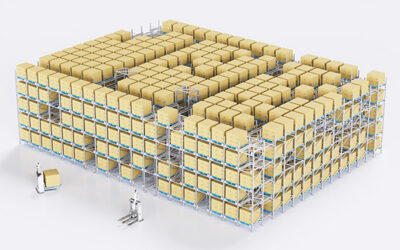
Warehouse operations make or break logistics performance, and we’ve seen traditional setups get bogged down by errors, labor spend, and limits on scale. Done right, automation changes the equation. Here we lay out a careful planning path, clarify what an automated warehouse involves, and explain why preparation determines how smoothly you move to intelligent storage.
Understanding the Imperative for Automated Warehouse Planning
Many operations wrestle with manual errors, slow throughput, and inefficient space use. Automated warehouses address these issues by pairing advanced robotics with software to streamline the flow. Meticulous planning makes the difference, aligning the system to business objectives and squeezing the most from every process.
Phase 1: Comprehensive Assessment and Strategic Goal Setting
Before implementing any automation, a thorough understanding of current operations and future objectives is paramount. This phase details how to audit existing processes, identify pain points, and define clear, measurable goals for automation, aligning with the overall business strategy.
1. Current State Analysis: Pinpointing Inefficiencies and Bottlenecks
We begin by collecting and analyzing data from existing warehouse operations. This includes inventory flow, labor utilization, order fulfillment rates, and space utilization. Our focus is on pinpointing areas that stand to gain most from targeted automation.
2. Defining Automation Objectives: What Success Looks Like for Your Business
We guide businesses in setting SMART (Specific, Measurable, Achievable, Relevant, Time-bound) goals for their automated warehouse. For instance, goals might include reducing labor costs by 20%, increasing throughput by 30%, or improving inventory accuracy to 99%.
Phase 2: Technology Selection and Solution Design
This phase explores available automation technologies, evaluates fit against objectives, and shapes a preliminary layout. We introduce Zikoo’s core offerings and their practical applications.
1. Exploring Automation Technologies: Matching Solutions to Needs
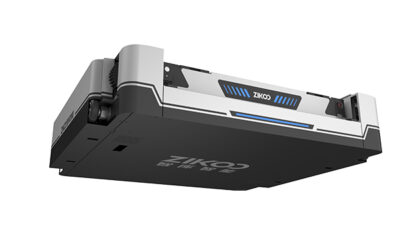
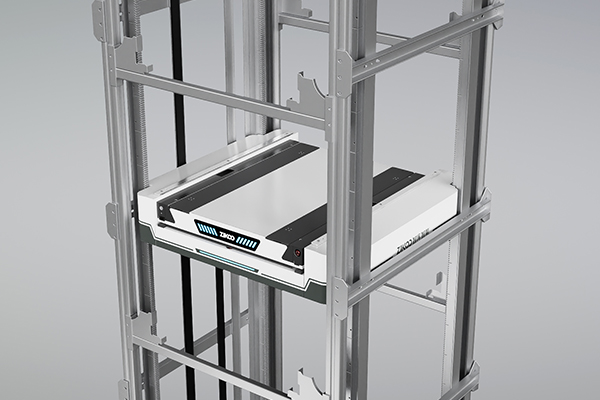
We provide an overview of key automated warehouse technologies, such as ASRS (Automated Storage and Retrieval Systems), conveyors, and AGVs/AMRs. Zikoo’s R-bot Four-way Shuttle and H-bot Vertical Bidirectional Shuttle are specifically designed for pallet-to-person dense storage scenarios, offering flexible movement and high load capacities. The U-bot Omnidirectional Stacking Robot excels in narrow aisle environments, providing exceptional maneuverability and lifting capabilities up to 8 meters.
2. Integrating Software Systems: The Brains Behind the Automation
Software plays a critical role in an automated warehouse. We focus on Warehouse Management Systems (WMS), Warehouse Execution Systems (WES), Warehouse Control Systems (WCS), and Robot Control Systems (RCS). Zikoo’s PTP Smart Warehouse Software offers an end-to-end solution, orchestrating smooth communication and operation across all automated components.
Phase 3: Layout, Simulation, and Financial Justification
With technologies identified, this section focuses on translating concepts into a tangible design, validating its efficiency, and building a robust business case to secure investment. We emphasize optimizing space and proving ROI.
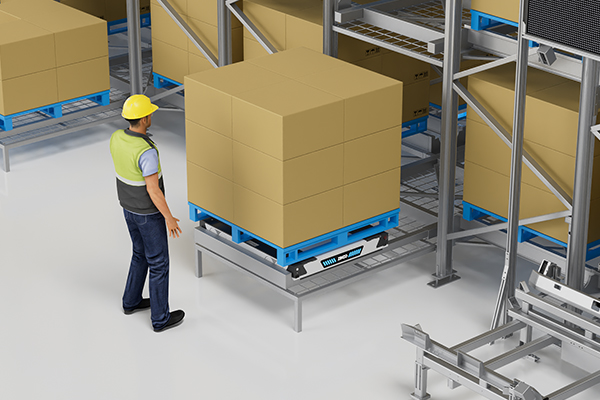
We develop detailed warehouse layouts incorporating Zikoo’s robots and conduct simulations to predict performance. This phase includes a thorough financial analysis to demonstrate the return on investment (ROI) and overall business benefits.
Phase 4: Implementation, Testing, and Training
This phase covers the practical execution of the automated warehouse plan, from procurement and installation to rigorous testing and full staff training. We highlight best practices for a smooth transition.
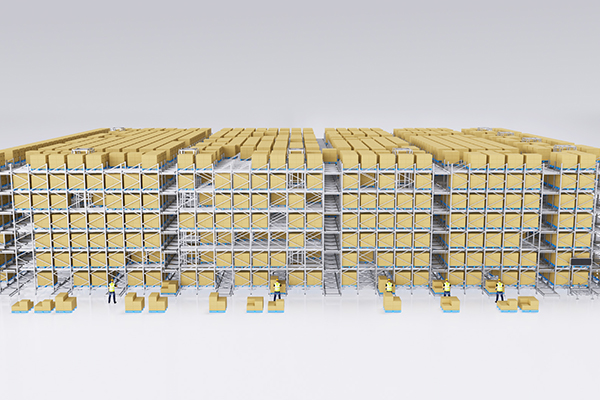
We manage the procurement and installation of all automated equipment, ensuring clean integration. Rigorous testing validates system functionality, and in-depth training prepares staff for operating the new automated environment.
Phase 5: Ongoing Optimization and Scalability
An automated warehouse is not a static entity. This final planning phase emphasizes the importance of continuous monitoring, data-driven optimization, and planning for future scalability to adapt to evolving business needs.
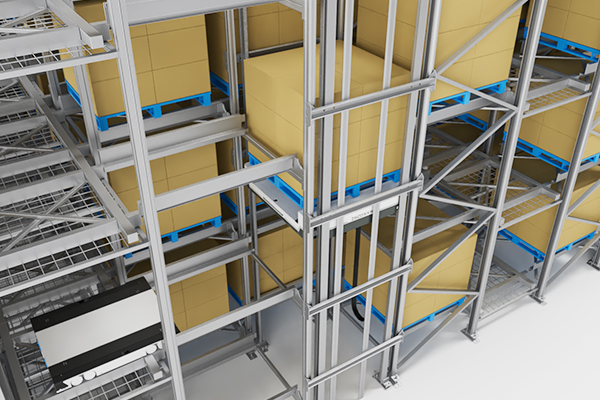
We implement continuous monitoring of key performance indicators (KPIs) to identify areas for optimization. Data analytics drive ongoing improvements, ensuring the system adapts to future business growth and changing demands.
Call to Action
Ready to upgrade your warehouse operations with intelligent automation? Contact Zikoo Smart Technology Co., Ltd. today for a personalized consultation and discover how our pallet-to-person robotics and PTP Smart Warehouse Software can streamline your logistics and boost efficiency. Email us at [email protected] or call us at (+86)-19941778955 to get started.
FAQs
What is the typical ROI for an automated warehouse system?
Return on investment varies significantly based on the scale of automation, initial investment, and operational efficiencies gained. Many businesses see ROI within 2-5 years through reduced labor costs, increased throughput, and improved accuracy. Zikoo’s solutions are designed for rapid payback by optimizing space and labor.
How long does it take to plan and implement an automated warehouse?
The timeline depends on the complexity and size of the project. A thorough planning phase can take several months, followed by implementation which can range from 6 months to over a year. Zikoo works closely with clients to develop realistic timelines and phased implementation strategies.
Can Zikoo’s systems integrate with existing warehouse infrastructure?
Yes, Zikoo’s PTP Smart Warehouse Software (WMS/WES/WCS/RCS) is designed for flexible integration with various existing ERP and WMS systems. Our U-bot, R-bot, and H-bot robots are engineered to operate efficiently within diverse warehouse environments, optimizing existing layouts where possible.
What are the key considerations for selecting the right automation technology?
Key considerations include your specific operational needs (e.g., storage density, throughput requirements), budget, available space, type of goods handled, and future scalability. Zikoo’s experts can help you assess these factors and recommend the optimal combination of robotics and software for your unique challenges.
How does Zikoo support businesses after implementation?
Zikoo provides full post-implementation support, including training for your staff, ongoing maintenance services, and software updates. Our goal is to ensure your automated warehouse operates at peak performance and continues to meet your evolving business demands.