Why Comparing Multiple Automation Suppliers Changes Project Outcomes
Selecting partners for a large-scale automation project requires more than price comparisons. Technical capabilities, long-term support structures, and strategic alignment with operational goals all factor into whether a system performs as expected five years after installation. A comprehensive evaluation process involving multiple vendors consistently produces better technology matches and stronger negotiating positions than single-source procurement.
For any significant automation investment, evaluating multiple suppliers is a strategic necessity rather than a procedural formality. Relying on a single vendor introduces risks that compound over time: vendor lock-in limits future flexibility, a single technology stack may not represent best-in-class performance for each component, and negotiation leverage disappears once a commitment is made. A multi-vendor approach creates competitive pressure that drives better pricing and encourages suppliers to propose solutions they might otherwise hold back. The process also surfaces integration challenges early, when they can still be addressed in contract terms rather than discovered during commissioning.
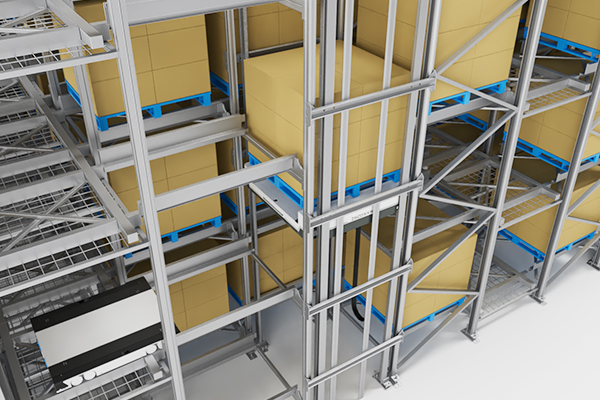
A single vendor might offer a complete package, but that package may bundle average components alongside strong ones. Combining specialized solutions from different suppliers often yields a more robust system, provided the integration work is scoped properly. The trade-off is coordination complexity, which increases when multiple parties share responsibility for system performance.
| Feature | Single Vendor Approach | Multiple Vendor Approach |
|---|---|---|
| Simplicity | High: Streamlined communication | Moderate: Requires more coordination |
| Risk Mitigation | Low: Higher risk of lock-in | High: Diversifies technology and support |
| Technology Scope | Limited to vendor’s offerings | Broad: Access to specialized solutions |
| Pricing | Less competitive negotiation | More competitive pricing |
| Customization | Dependent on vendor’s flexibility | Greater potential for tailored solutions |
| Support | Single point of contact | Multiple points, requires clear SLAs |
What Technical Evaluation Actually Reveals About Automation Vendors
Evaluating technical capabilities requires moving past marketing materials to concrete performance data. The question is not whether a vendor claims their system can handle your throughput requirements, but whether they can demonstrate that performance in conditions resembling your facility. This means examining robot specifications, software architecture, and the vendor’s track record in applications with similar product profiles, order patterns, and environmental constraints.
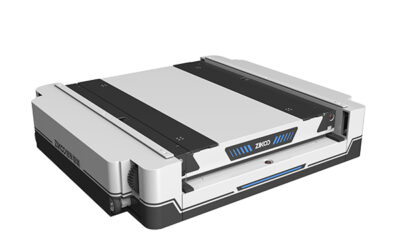
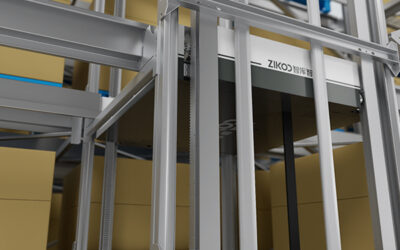
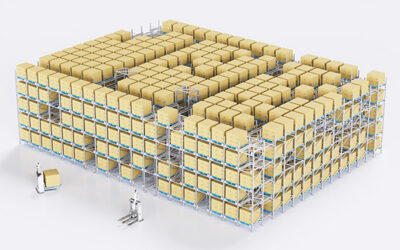
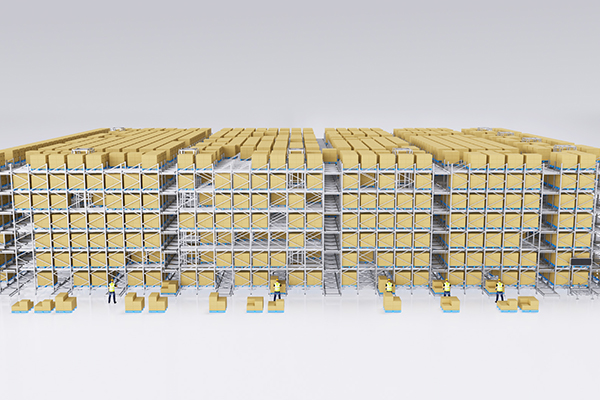
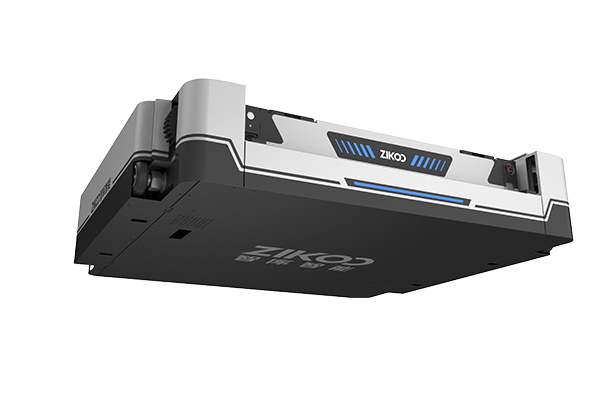
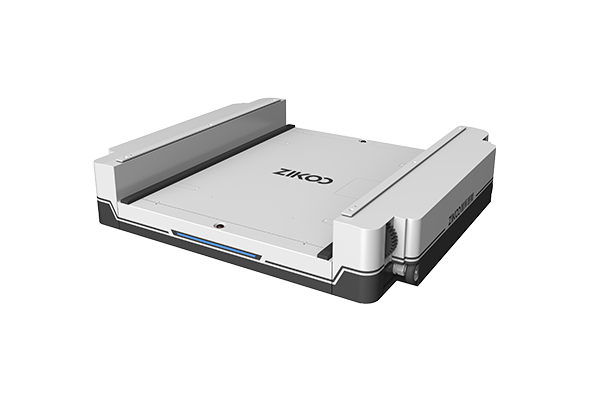
When assessing warehouse automation partnerships, the technical review should cover robotic solutions across the full range of operational requirements. Zikoo’s U-bot Omnidirectional Stacker Robots address narrow-aisle efficiency where floor space is constrained. The R-bot Four-Way Shuttle handles dense storage configurations, while H-bot High-Speed Elevators manage vertical transport between storage levels. Each addresses a different operational bottleneck, and understanding where your facility’s constraints actually lie determines which capabilities matter most.
A thorough technical evaluation checklist includes:
- Robot Performance: Speed under load, payload capacity at different heights, positioning accuracy, battery runtime under continuous operation, and performance degradation in temperature or humidity extremes.
- Software Integration: Compatibility with existing Warehouse Management Systems or ERP platforms, available APIs for custom integration, and data security protocols that meet your compliance requirements.
- Scalability: Whether the system can expand incrementally or requires wholesale replacement to increase capacity.
- Customization: The vendor’s demonstrated ability to modify standard solutions for non-standard facility layouts or product characteristics.
- Proof of Concept: Documented deployments in environments with similar throughput requirements, product mix, and operational constraints.
How Total Cost of Ownership Differs from Purchase Price in Automation
The initial purchase price represents a fraction of what an automation system costs over its operational life. A thorough analysis of commercial terms must extend to total cost of ownership, which includes implementation, maintenance, software licensing, and ongoing support. Two systems with identical purchase prices can differ by 40% or more in TCO depending on how these downstream costs are structured.
When comparing pricing models from automation suppliers, the breakdown should cover:
- Initial Investment: Hardware, installation, and commissioning costs, including any facility modifications required before equipment arrives.
- Software Licensing: One-time fees versus recurring subscriptions for WMS, WES, WCS, or RCS components. Recurring models may appear cheaper initially but accumulate significantly over a ten-year horizon.
- Maintenance and Service Agreements: Standard warranty coverage, costs for extended support, spare parts pricing, and whether preventative maintenance is included or billed separately.
- Training: Costs for training operations and maintenance staff, including whether refresher training is available as turnover occurs.
- Energy Consumption: Operational costs for power usage, which vary substantially between robotic platforms and can shift the TCO calculation for facilities with high energy costs.
- Upgrade Paths: Costs for future hardware or software upgrades, and whether the vendor’s technology roadmap suggests compatibility with emerging standards.
Zikoo’s support structure and global presence contribute to a favorable TCO calculation because the commitment extends beyond the initial purchase. Ongoing assistance that minimizes downtime and addresses issues before they escalate protects the return on investment over the system’s full operational life.
| TCO Component | Description | Key Considerations |
|---|---|---|
| Acquisition Costs | Hardware, software licenses, installation | Upfront capital expenditure |
| Implementation Costs | System integration, training, facility modifications | Project management, labor, downtime |
| Operational Costs | Energy, consumables, labor for supervision | Daily running expenses |
| Maintenance Costs | Spare parts, preventative maintenance, repairs | Service level agreements, warranty terms |
| Support Costs | Software updates, technical assistance, consulting | Long-term partnership, responsiveness |
| Decommissioning Costs | Removal and disposal of old equipment | Environmental regulations, resale value |
Where Single-Vendor Sourcing Creates Hidden Risks
Automation projects involve significant investment and operational change, and the risks compound when a single supplier controls the entire technology stack. A multi-vendor approach distributes these risks across multiple parties, each with independent supply chains and support structures.
A client in automotive parts distribution initially planned to source their entire automated storage and retrieval system from a single European provider. The due diligence process involved evaluating three additional suppliers, which revealed a more robust solution combining a specialized robotic picking system with a high-density storage solution from two different vendors. The decision reduced total project cost by 15% and diversified the supply chain for critical components, improving long-term resilience against disruptions affecting any single manufacturer.
The risks of single-supplier sourcing include:
- Vendor Lock-in: Dependence on one provider for technology, parts, and support limits future flexibility and makes switching costs prohibitive.
- Limited Innovation: A bundled solution may not incorporate the best available technology across all components, particularly where the vendor’s strength lies in one area but not others.
- Supply Chain Vulnerability: Disruptions affecting one vendor can halt the entire project or ongoing operations, with no alternative source for critical components.
- Negotiation Weakness: Reduced leverage in commercial discussions once the vendor knows they are the only option under consideration.
- Suboptimal Performance: A packaged solution may not be optimized for specific facility constraints or product characteristics.
Thorough due diligence includes checking references from comparable deployments, visiting operational sites where the vendor’s systems are running, and assessing financial stability to ensure the vendor will exist to provide support over the system’s full lifespan.
Why Software Integration Determines Whether Hardware Performs
The value of automation extends beyond physical robots to the software that orchestrates their movements and integrates their output with broader operational systems. A robot is only as effective as the intelligence guiding it, and evaluating suppliers requires understanding their software capabilities as thoroughly as their hardware specifications.
Zikoo’s PTP Smart Warehouse Software (WMS/WES/WCS/RCS) demonstrates how software components must integrate with each other and with existing enterprise systems. A robust software suite ensures efficient task orchestration, data exchange, and real-time visibility across the entire warehouse operation. If your situation involves complex integration requirements with legacy systems, discussing API capabilities and data architecture before committing to a hardware vendor prevents costly surprises during implementation.
The software evaluation should cover:
- System Architecture: How different components communicate and whether the architecture supports the operational logic your facility requires.
- Data Flow: The ability to collect, analyze, and act on operational data, including whether the system can generate the reports your management team needs.
- User Interface: Intuitive controls for operators and maintenance staff, with training requirements that match your workforce’s technical background.
- Cybersecurity: Measures to protect sensitive operational data, particularly for facilities handling products with regulatory compliance requirements.
- Future Compatibility: The platform’s ability to incorporate new technologies or modules as operational needs evolve.
Integrating diverse hardware from multiple vendors requires sophisticated software that can manage different protocols and operational logic. A strong system integrator, whether internal or external, becomes necessary to ensure all pieces of the automation puzzle work together. The integration scope should be defined in contracts before hardware selection is finalized.
Frequently Asked Questions
Is it always necessary to compare multiple suppliers for small automation projects?
Comparing multiple suppliers for smaller projects can reveal cost efficiencies or innovative approaches that a single-source inquiry would miss. The evaluation effort scales with project size, but even a lightweight comparison process often surfaces options that improve the final outcome.
How can I ensure fair comparison between suppliers offering different technologies?
Define your project’s core requirements and desired outcomes before soliciting proposals. Evaluate each supplier’s solution against these benchmarks rather than comparing feature lists directly. A supplier proposing a different technology approach may still meet your requirements more effectively than one matching your initial assumptions.
What role does long-term support play in supplier selection for automation?
Long-term support directly affects whether an automation system maintains its performance over its operational life. Maintenance, software updates, and technical assistance minimize downtime and protect the investment. A supplier’s support structure should be evaluated with the same rigor as their hardware specifications.
Can comparing multiple suppliers lead to longer procurement times?
A multi-vendor evaluation does extend the initial procurement timeline due to the additional proposals, site visits, and negotiations involved. The upfront investment typically reduces downstream risks and produces a more cost-effective long-term solution, but the timeline impact should be factored into project planning.
To discuss specific requirements for your next automation project, contact Zikoo at [email protected] or (+86)-19941778955.
If you’re interested, check out these related articles:
Six-Way Shuttle Empowers 3PL Providers to Build Next-Generation Smart Logistics Hubs
Smart Storage Revolution: Comprehensive Overview of Four-Way Shuttle Systems for Automatic 3D Warehouses