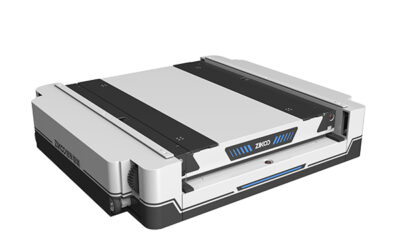
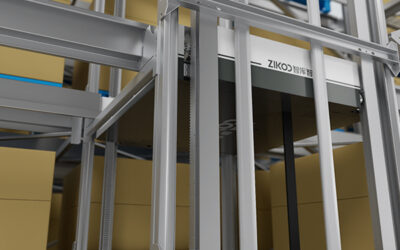
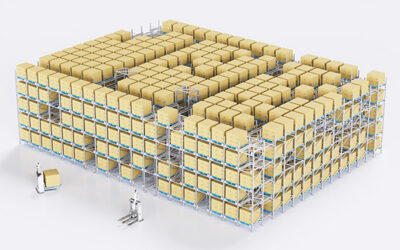
Automated warehouse systems built around four-way shuttles demand more than a one-time installation. The equipment runs continuously, handles thousands of pallet movements daily, and operates in environments ranging from ambient distribution centers to -25°C cold storage. After-sales service for four-way shuttles determines whether that investment delivers consistent throughput or becomes a source of unplanned downtime. Proactive support keeps these robotic systems at peak performance, protects capital expenditure, and maintains the workflow continuity that justifies the automation decision in the first place.
What After-Sales Support Actually Does for Four-Way Shuttle Uptime
Uninterrupted operation is the baseline expectation for any logistics facility running automated storage and retrieval. After-sales support for four-way shuttles exists to meet that expectation through a combination of preventive action and rapid response. The scope extends well beyond break-fix repairs.
Preventative maintenance schedules catch wear patterns before they cause failures. Remote diagnostics allow manufacturers to monitor system health in real time, often identifying anomalies and pushing corrections without dispatching a technician. When on-site intervention is necessary, response time becomes the critical variable. A well-structured support agreement specifies those response windows and backs them with parts availability commitments.
The practical effect is measurable. Facilities with active service contracts typically report uptime figures above 99%, while those relying on ad-hoc support often see unplanned downtime consume 2-4% of annual operating hours, a gap that translates directly into throughput loss and labor reallocation costs.
What Service Contracts Should Include for Intralogistics Robots
A service level agreement for intralogistics robots needs to cover five areas without ambiguity.
Response time guarantees define how quickly remote support begins and when a technician arrives on-site for critical incidents. Preventative maintenance schedules specify inspection frequency, component replacement intervals, and the scope of each visit. Corrective maintenance provisions address parts sourcing, replacement policies, and labor coverage. Software updates ensure the warehouse control system, robot control system, and any integrated warehouse management modules remain current and secure. Performance monitoring establishes which operational metrics the manufacturer tracks and reports, giving facility managers visibility into system health trends.
Zikoo structures its service agreements around these five pillars, with tiered options that scale from annual maintenance visits and business-hours remote support to quarterly on-site inspections, 24/7 diagnostics, and dedicated technical account management.
| Service Feature | Basic Plan | Advanced Plan | Premium Plan |
|---|---|---|---|
| Preventative Maintenance Visits | Annually | Biannually | Quarterly |
| Remote Diagnostics & Support | Business Hours | 24/7 | 24/7 |
| On-site Response Time | 48 Hours | 24 Hours | 8 Hours |
| Spare Parts Discount | 5% | 10% | 15% |
| Software Updates | Standard | Priority | Priority + Customization |
| Dedicated Technical Account Manager | No | Yes | Yes |
How Service Agreements Protect Long-Term ROI
The return on a four-way shuttle system depends on how many years it operates at design capacity. Service contracts protect that return by preventing the two main ROI killers: unplanned downtime and premature component failure.
Uptime guarantees create a financial alignment between the manufacturer and the facility operator. When the service provider has a contractual obligation to maintain a specific availability percentage, their incentive shifts from reactive repair billing to proactive failure prevention. Preventative maintenance, executed on a defined schedule, replaces components before they degrade to the point of failure. This approach extends equipment lifespan, reduces emergency repair costs, and keeps total cost of ownership predictable.
Facilities that operate without service contracts often face a different cost profile. Emergency callouts carry premium labor rates. Parts ordered on an urgent basis incur expedited shipping charges. Downtime during peak seasons compounds the financial impact. Over a ten-year equipment lifecycle, the difference between proactive and reactive maintenance strategies can exceed 15-20% of the original capital investment.
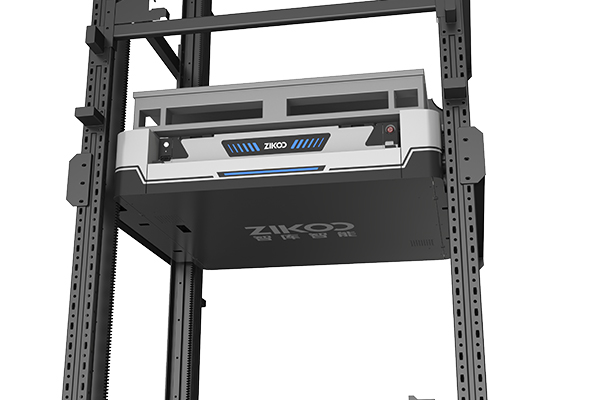
Why Operator Training Belongs in the After-Sales Discussion
Automation does not eliminate the need for skilled operators. It changes what those operators need to know. Comprehensive training programs transfer the technical expertise required to manage four-way shuttle systems confidently, handle routine maintenance tasks, and recognize early warning signs that warrant manufacturer involvement.
Training typically covers system commissioning procedures, daily operational checks, basic troubleshooting protocols, and the interface between warehouse management software and robotic hardware. When operators understand how to interact with the equipment at this level, two things happen. Minor issues get resolved without external support calls, reducing both response time and service costs. More importantly, operators become the first line of defense in identifying anomalies before they escalate.
Zikoo’s training programs for the R-bot four-way shuttle and U-bot omnidirectional stacking robot include both classroom instruction and hands-on sessions during system commissioning. The goal is not to turn warehouse staff into robotics engineers but to give them the competence to keep systems running smoothly between scheduled maintenance visits.
What Determines Four-Way Shuttle Lifespan Beyond Initial Build Quality
Design and manufacturing quality set the ceiling for equipment lifespan. Ongoing support determines how close a system gets to that ceiling. Robotics lifespan depends on three factors that fall squarely within the after-sales domain.
Regular preventative maintenance addresses wear and tear before it causes cascading failures. Readily available spare parts ensure repairs use genuine components rather than substitutes that may not meet original specifications. Upgrade options allow systems to incorporate newer control software, improved sensors, or enhanced safety features as technology advances, extending functional relevance beyond the original design generation.
Predictive maintenance adds another layer. By analyzing operational data, manufacturers can identify patterns that precede specific failure modes and schedule interventions accordingly. This approach moves beyond calendar-based maintenance to condition-based maintenance, optimizing both uptime and parts consumption.
A cold chain project illustrates the practical impact. R-bot shuttles operating at -15°C in a frozen food distribution center maintained 99.8% average uptime over three years under a premium service agreement. The client’s initial target was 98%. The difference came from continuous remote monitoring, scheduled component replacements timed to cold-environment wear rates, and rapid response when sensor anomalies appeared. In a temperature-sensitive environment where product quality depends on uninterrupted cold chain integrity, that 1.8% uptime improvement translated directly into reduced spoilage risk and avoided emergency logistics costs.
How to Evaluate After-Sales Service When Selecting a Manufacturer
The technology demonstration captures attention. The after-sales service evaluation determines whether that technology will perform reliably for the next decade. Several factors warrant scrutiny during manufacturer selection.
Global service network coverage matters for facilities operating in multiple regions or planning geographic expansion. A manufacturer with regional service hubs and spare parts distribution centers can deliver faster response times than one relying on centralized support. Scalability support indicates whether the manufacturer can accommodate system expansion, additional shuttle units, or integration with new warehouse management platforms as business needs evolve. Warranty coverage terms reveal how much risk the manufacturer is willing to absorb, a useful proxy for their confidence in product reliability.
Manufacturer reputation in the after-sales domain often diverges from reputation in product innovation. Some companies excel at engineering new solutions but underinvest in support infrastructure. Others build their market position on service reliability. Reference checks with existing customers, particularly those operating similar facility types and throughput volumes, provide the most reliable insight into what after-sales support actually looks like in practice.
Frequently Asked Questions
Is after-sales service for four-way shuttles always a worthwhile investment?
For facilities running continuous operations, the answer is straightforward. The cost of a service contract is predictable and budgetable. The cost of unplanned downtime is neither. A single extended outage during peak season can exceed the annual service contract cost several times over. The investment makes sense whenever the facility cannot absorb multi-day downtime without significant operational or financial impact.
How quickly can manufacturers typically respond to a critical system failure?
Response time depends on the service level agreement and the manufacturer’s regional presence. Premium agreements from established providers typically guarantee remote diagnostic engagement within one hour and on-site technician arrival within 8-24 hours for critical failures. Remote diagnostics resolve a meaningful percentage of issues without requiring physical presence, often within the same business day.
Are spare parts for four-way shuttles readily available globally?
Manufacturers with mature service networks maintain regional spare parts inventories to minimize lead times. Critical components, those whose failure would halt shuttle operation, are typically stocked in multiple locations. Less critical parts may ship from central warehouses with longer lead times. During manufacturer evaluation, ask specifically about parts availability for your facility’s geographic location and the lead time commitments included in the service agreement. If you are evaluating service options or planning a new four-way shuttle deployment, discussing parts availability and response time guarantees early in the process helps set realistic operational expectations.
If you’re interested, check out these related articles:
Smart Warehousing Starts Here: Cost-Effective Four-Way Shuttle Systems
Six-Way Shuttle Unlocks the Era of True 3D Intelligent Warehousing
Six-Way Shuttle: Empowering Industries to Embrace Smart Warehousing
Looking for Reliable Four-Way Shuttle Manufacturers? Choose Zikoo Robotics