Investing in industrial automation means committing capital, floor space, and operational planning to systems that need to perform for years. The robots arrive, the software goes live, the initial commissioning wraps up—and then the real test begins. After-sales service is critical for automation project success because it determines whether that initial investment keeps delivering value or slowly becomes a liability. Too many organizations treat post-implementation support as a line item to minimize rather than a core component of the investment itself. That approach tends to show up in the financials within the first two years.
Why Uptime Depends More on Service Infrastructure Than Equipment Specs
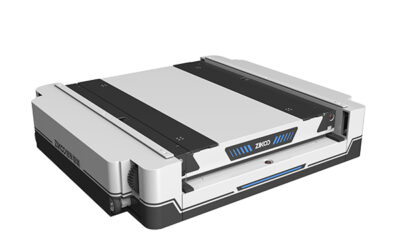
Equipment specifications tell you what a system can do under ideal conditions. Service infrastructure tells you what happens when conditions stop being ideal. A U-bot Omnidirectional Stacking Robot or R-bot Four-way Shuttle performs to spec when everything works. The question is what happens at 2 AM on a Friday when something does not.
Modern maintenance has shifted from reactive to preventive to predictive. Scheduled checks catch wear before it causes failure. Remote monitoring flags anomalies that on-site staff might miss. PTP Smart Warehouse Software integrates diagnostics that surface performance drift in real time, not after a line stops. IoT sensors embedded in systems like the H-bot Vertical Bidirectional Shuttle transmit operational data continuously, and that data feeds maintenance scheduling. Unusual vibration patterns, temperature deviations, cycle time creep—these signals appear in the data before they appear as breakdowns.
The shift matters because unplanned downtime costs more than the repair itself. Lost throughput, expedited shipping to cover missed orders, overtime labor to catch up—these costs compound. A maintenance approach that prevents failures rather than reacts to them changes the economics of the entire operation.
What Rapid Response Actually Requires
Response time means little without the capability to resolve the issue once someone arrives. Effective support combines three elements: technicians with system-specific expertise, spare parts already in the supply chain, and service level agreements that define what “rapid” actually means in measurable terms.
An SLA specifies metrics like maximum response time for different severity levels, parts availability guarantees, and escalation procedures. Without these specifics, “24/7 support” can mean anything from a call center that logs tickets to a technician dispatched within hours. The difference matters when a U-bot and AMR Narrow Aisle Picking System goes down during peak season.
Zikoo’s approach puts on-site technicians in position with the knowledge and parts to address issues with complex integrated systems. That combination—expertise plus parts plus defined response commitments—reduces the duration of disruptions when they occur.
How Service Quality Shows Up in TCO Calculations
Return on investment in automation depends on total cost of ownership, not purchase price. TCO includes the initial equipment cost, installation, integration, ongoing maintenance, consumables, energy, and support costs over the system’s productive life. A robust after-sales program affects multiple TCO components simultaneously.
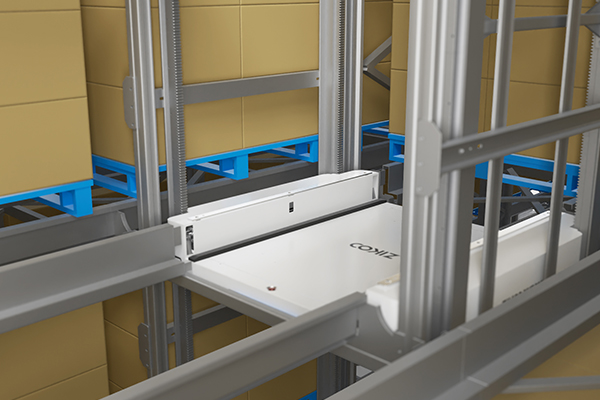
Extended asset life spreads the initial capital cost over more productive years. Fewer unplanned repairs reduce both direct repair costs and the indirect costs of downtime. Predictive maintenance optimizes the timing of component replacements, avoiding both premature replacement and failure-induced damage. Software updates keep systems efficient as operational requirements evolve.
The financial impact compounds over time. A system that operates at 95% availability versus 98% availability does not just lose 3% of throughput—it loses that throughput during the periods when demand is highest and the cost of missed capacity is greatest.
Continuous Improvement as a Service Function
After-sales service extends beyond keeping systems running to keeping them improving. Software updates introduce new algorithms for path planning, inventory optimization, or integration with other warehouse systems. Hardware upgrades address performance limitations that emerge as operational patterns change.
PTP Smart Warehouse Software updates can improve how U-bot robots navigate, how inventory is slotted, or how orders are batched. These improvements do not require new capital expenditure—they extract more value from existing assets. System integration challenges that surface after deployment, scalability requirements that grow with the business, compatibility with new peripheral equipment—these are service functions, not sales opportunities.
The distinction matters because it shapes the relationship between operator and vendor. A vendor focused on continuous improvement treats the installed base as an ongoing responsibility. A vendor focused on the next sale treats it as a completed transaction.
Training as Risk Reduction
Operational independence reduces both cost and risk. Operator training programs ensure that staff can maximize system utilization without calling for support on routine matters. In-house maintenance capabilities allow first-line diagnostics and minor repairs to happen immediately rather than waiting for external technicians.
This investment in human capital pays returns in multiple ways. Faster resolution of minor issues. Reduced service call frequency. Better utilization of system capabilities that might otherwise go unused because operators were not trained on them. Staff who understand the systems they operate also provide better information when they do need to call for support, reducing diagnostic time.
The goal is not to eliminate the need for expert support but to reserve it for situations that genuinely require it. If your organization is evaluating automation partners, the depth and quality of training programs should factor into the decision.
Compliance and Security as Ongoing Requirements
Regulatory requirements, cybersecurity threats, and safety standards do not freeze at the moment of installation. They evolve, and automation systems need to evolve with them. After-sales support includes updates and audits that keep systems compliant with current standards.
Cybersecurity in automation has become a primary concern as systems become more connected. Robotic systems that communicate with warehouse management software, ERP systems, and external networks present attack surfaces that require ongoing protection. Security patches, access controls, and audit trails are service functions, not optional add-ons.
Safety standards similarly require ongoing attention. Maintenance procedures, operational protocols, and system configurations all need to align with current requirements. A service provider that treats compliance as part of the standard offering reduces the burden on internal resources and reduces the risk of gaps.
What a Complete Service Package Includes
Evaluating automation solution providers requires understanding what comprehensive after-sales support actually contains. The following components define a package that addresses the full automation project lifecycle:
| Service Component | Description | Benefits |
|---|---|---|
| Preventive Maintenance | Scheduled inspections and servicing to prevent failures. | Reduces unexpected downtime, extends equipment life. |
| Predictive Maintenance | Data-driven monitoring to forecast potential issues. | Optimizes maintenance schedules, minimizes disruptions. |
| 24/7 Technical Support | Constant access to expert assistance for troubleshooting. | Rapid issue resolution, continuous operation. |
| Remote Diagnostics | Ability to assess system issues remotely. | Faster identification of problems, reduced need for on-site visits. |
| On-site Service | Certified technicians available for physical repairs and maintenance. | Expert repair, complex problem solving. |
| Spare Parts Management | Guaranteed availability and quick delivery of necessary components. | Minimizes repair time, prevents extended outages. |
Vendor selection criteria should weight these elements heavily. Customized service plans that match your operational requirements, clear warranty terms, and transparent SLAs distinguish partners who view service as core to their offering from those who view it as a cost center.
How to Evaluate a Potential Automation Partner’s Service Commitment
The quality of after-sales support is difficult to assess from marketing materials. A few approaches provide better signal:
Reference checks with existing customers reveal how support performs under real conditions. Ask specifically about response times during critical failures, the quality of technician expertise, and how the vendor handled situations where initial fixes did not resolve the problem.
Contract terms expose priorities. A vendor confident in their service capabilities will offer SLAs with meaningful commitments and consequences for missing them. Vague language about “best efforts” suggests less confidence.
Training program depth indicates how much the vendor invests in customer success versus customer dependence. Comprehensive training that builds internal capability signals a long-term orientation.
Parts availability and logistics matter more than they appear to. A global parts network with regional stocking points differs substantially from a single warehouse that ships internationally. Ask where parts are stocked and what the typical lead time is for critical components.
Protecting the Investment Over Its Full Lifespan
The longevity and peak performance of industrial automation systems depend on support infrastructure as much as equipment quality. Organizations that prioritize comprehensive after-sales service position themselves to maximize ROI, minimize operational risks, and adapt as requirements change. The commitment ensures that automation investments continue delivering value throughout their operational lifespan rather than degrading into maintenance burdens.
If your organization is evaluating warehouse automation options and wants to understand how service support factors into the total picture, contact Zikoo Smart Technology Co., Ltd. at [email protected] or (+86)-19941778955.
Frequently Asked Questions About Automation After-Sales Service
What specific services should I expect in an automation project’s after-sales support?
A comprehensive package typically includes preventive and predictive maintenance, 24/7 technical support with defined response times, remote diagnostics, on-site service by technicians certified on your specific systems, spare parts management with availability guarantees, software updates, performance optimization, and operator training programs. The specifics should be documented in an SLA with measurable commitments rather than general descriptions.
How can robust after-sales service minimize downtime in a warehouse automation system?
Downtime reduction comes from multiple mechanisms working together. Proactive monitoring catches issues before they cause failures. Predictive maintenance schedules interventions during planned windows rather than emergency stops. When failures do occur, rapid response with pre-positioned parts and trained technicians shortens the duration. The combination of prevention and rapid resolution keeps availability high.
What are the long-term cost benefits of investing in premium after-sales support for robotics?
Premium support affects TCO through several channels: extended asset life spreads capital costs over more years, reduced unplanned repairs lower both direct costs and downtime losses, optimized maintenance timing avoids both premature replacement and failure-induced damage, and software updates extract more value from existing equipment. The cumulative effect is a lower cost per unit of productive output over the system’s life. For a specific assessment of how these factors apply to your operation, reach out to discuss your requirements.
If you’re interested, you may want to read the following articles:
Looking for Reliable Four-Way Shuttle Manufacturers? Choose Zikoo Robotics
Software-Driven Hardware: Six-Way Shuttle Maximizes Warehouse Efficiency
Six-Way Shuttle: The Ultimate Warehousing Solution for Cost Reduction and Efficiency
Revolutionizing Cold Chain Logistics: Zikoo Robotics Six-Way Shuttle Powers High-Density, High-Efficiency Warehousing
Smart Storage Revolution: Comprehensive Overview of Four-Way Shuttle Systems for Automatic 3D Warehouses