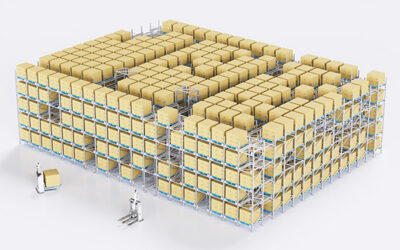
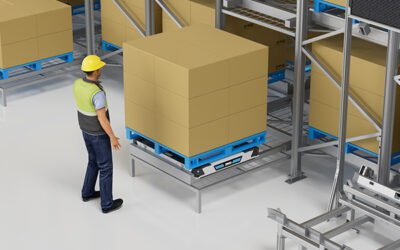
Avoiding risks in warehouse automation projects demands a rigorous focus on the technical details that determine whether a system performs reliably under real‑world conditions. In over a decade of delivering pallet shuttle and automated storage and retrieval system (AS/RS) projects, I have seen too many companies evaluate suppliers solely on price and sales presentations, only to face unexpected downtime, integration failures, and cost overruns later. This article walks through the specific risks, the technical checks that matter, and the supplier evaluation steps that can protect your investment.
What Are the Real Risks in Warehouse Automation Projects?
Most project failures do not come from a single catastrophic event. They accumulate from overlooked engineering details and supplier gaps that surface only after installation. The table below outlines the risk categories we encounter most often.
| Risk Category | Common Pitfall | Mitigation Approach |
|---|---|---|
| Technology Fit | Using standard shuttles in cold storage or cleanroom environments without necessary certifications | Require battery and component specs that are explicitly rated for your operating temperature and humidity |
| Supplier Reliability | Throughput and uptime figures quoted without a reference site operating under similar conditions | Visit at least one live installation and review six months of operational logs |
| Integration | Shuttle control software cannot interface with the existing WMS because of proprietary protocols | Demand a documented open‑API architecture and a joint integration test before contract signing |
| Implementation | Floor flatness deviations discovered after the rack structure is erected, causing shuttle derailments | Make a pre‑installation site survey a contractual milestone, with clear pass/fail tolerance values |
| Ongoing Support | No local spare parts depot, turning a two‑hour shuttle swap into a two‑week import delay | Negotiate a spare parts availability SLA with guaranteed response times and regional stock |
Every one of these risks can be surfaced and addressed during due diligence. The problem is that traditional RFQ processes rarely probe deeply enough. The next section explains what a thorough technical evaluation looks like.
How to Evaluate a Four-Way Shuttle Supplier’s Technical Credentials
The difference between a supplier that sells automation and one that engineers it becomes visible once you examine their internal capability. We recommend starting with three hard checks.
First, request the detailed test reports for the shuttle’s core subsystems. For example, the battery pack should have a documented cycle‑life curve at the lowest temperature your environment will reach. A lithium‑iron‑phosphate battery that delivers eight hours of runtime at 25 °C can drop to under five hours at −15 °C if the cell and battery management system are not designed for it. The supplier should provide measured data, not calculated projections.
Second, examine the software platform in person. A pallet shuttle is only as smart as the warehouse control system directing it. Ask the supplier to demonstrate real‑time task dispatching, dynamic path planning, and failure‑mode recovery in a simulation environment. If they cannot show how the system behaves when one shuttle drops offline, you are buying a black box.
Third, verify the supplier’s integration track record. Inquire about projects that matched your industry and SKU profile. Ask for a reference call with the plant manager, not just the corporate sponsor. Listen for specifics: how many shuttles are deployed, what is the actual throughput versus design, and how long did it take to reach steady state.
If your project involves cold storage or high‑SKU environments, it is worth confirming the shuttle’s thermal endurance and pallet‑size handling range before shortlisting suppliers. Share your requirements with our technical team at info@zikoo-int.com and we will help you define the correct specification envelope.
Key Technical Specifications That Determine Project Success
Buyers often focus on the headline numbers while missing the parameters that directly affect daily operations. The table below captures the specifications we require from every shuttle model we deploy.
| Model | Rated Load (kg) | Body Thickness (mm) | Loaded Speed (m/s) | Battery Endurance (h) | Operating Temp (°C) |
|---|---|---|---|---|---|
| R1200B (Standard) | 1200 | 125 | 1.2 | 8 | −15 to 45 |
| R1500J (Japanese pallet) | 1500 | 125 | 1.2 | 8 | −15 to 45 |
| R2000B (Heavy‑duty) | 2000 | 150 | 1.0 | 7 | −15 to 45 |
Each parameter carries an operational consequence. Body thickness directly determines how many storage levels you can fit within a given building height. A 125 mm shuttle body can often squeeze one extra rack layer compared with a 150 mm design, which over 5,000 pallet positions translates into measurable space cost.
Loaded speed and acceleration drive throughput. The R2000B model above drops loaded speed to 1.0 m/s because the heavier payload requires longer braking distances. If your throughput target assumes the same 1.2 m/s speed across all load classes, you may miss your cycles‑per‑hour goal.
Battery endurance needs to be evaluated at the extreme temperature of your operation, not the nominal room‑temperature figure. In cold storage facilities, we specify dedicated low‑temperature lithium battery packs with a heated charging port to maintain runtime across the shift. The supplier’s test data should show continuous operation hours at −25 °C, not just the battery cell’s theoretical rating.
Project Implementation: Minimizing Operational Disruption
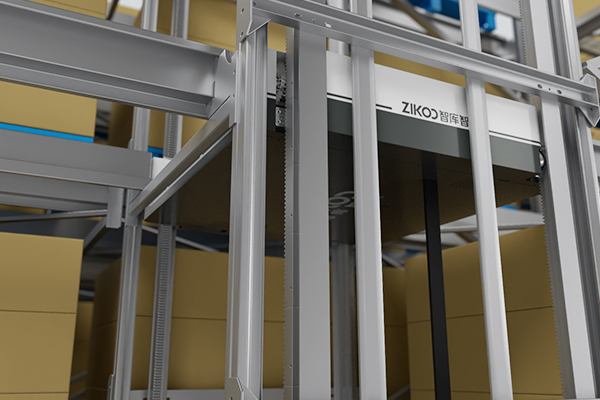
A smooth implementation is almost always a result of a thorough site survey conducted before any equipment arrives. The floor must be surveyed with a laser flatness tester. The allowable deviation depends on the shuttle’s navigation method; for laser‑SLAM systems we typically require a floor flatness of FF50 or better, measured across the travel lane. Power supply stability, network latency, and fire safety integration must be validated at the same stage.
Phased deployment is the most effective way to protect ongoing operations. In a recent manufacturing warehouse, we sectioned the storage area into three zones. We built the rack structure and commissioned the shuttles in Zone A while Zones B and C remained fully manual. Once Zone A was operational and hitting its throughput KPIs, we migrated B, then C. This approach adds about four weeks to the total timeline but keeps the production line running and gives the operators time to train.
The critical path in almost all projects is the software integration, specifically the handshake between the supplier’s warehouse control system and the existing WMS or ERP. We always push for a joint test environment that runs real customer order data for at least two weeks. The acceptance criteria should include KPIs such as “system processes 95% of standard pallet moves within the specified cycle time over a continuous 72‑hour period.”
Post-Installation: Ensuring Long-Term Reliability
The project does not end at go‑live. The first three months of operation will surface edge cases that no simulation predicted: pallets with slightly warped bottom boards, SKU weights that differ from the master data, or a batch of shrink‑wrap that snags on a sensor. A supplier that stations an engineer on‑site for the ramp‑up phase can resolve these issues quickly and incorporate the lessons into the operating procedures.
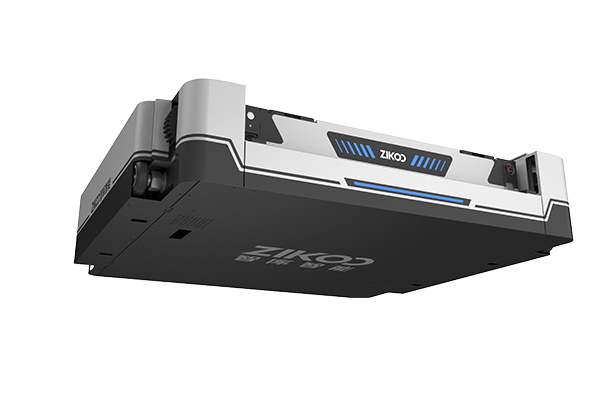
Long‑term reliability depends on a structured preventive maintenance program and rapid access to spare parts. Push for a maintenance schedule defined in hours of operation rather than calendar time; a shuttle racking system running 24/7 accumulates wear faster than estimates based on a single shift. We recommend stocking at least one complete spare shuttle per 20 deployed units and agreeing on a maximum 24‑hour replacement window for critical electronic components.
Remote diagnostics capability is no longer optional. Modern shuttle systems should provide a telemetry dashboard that tracks battery health, drive‑motor current signatures, and lift‑motor cycle counts. This data makes it possible to identify wear trends before they trigger a fault, turning unplanned downtime into a scheduled 90‑minute component swap.
Plan Your Automation Project with Confidence
Every automation investment starts with an honest assessment of your warehouse’s physical and operational parameters. Before any budget is committed, we recommend a no‑obligation feasibility study that examines your floor plan, SKU profile, pallet variety, throughput targets, and environmental conditions. This early review frequently uncovers risk factors that can be eliminated with a small design change, saving weeks of rework later.
Contact our engineering team at info@zikoo-int.com or call (+86)‑19941778955. Share your warehouse dimensions, pallet types, and expected inventory levels, and we will help you build a risk‑mitigated automation strategy grounded in real technical data rather than generic promises.
Common Questions About Warehouse Automation Risk
Is my warehouse physically suitable for a four‑way shuttle system?
Suitability hinges on ceiling height, column spacing, and floor flatness rather than total square footage. We look for a clear height of at least six meters to justify the multi‑level rack structure, column grids that leave uninterrupted travel lanes of 2.4 m, and a floor flatness within FF50 tolerance across the shuttle path. Even older buildings can often meet these figures after local grinding or self‑leveling underlayment, but only a precision survey can confirm that.
What happens if a shuttle fails during peak season?
A system with multiple shuttles routes tasks around the failed unit automatically. In a properly sized fleet, one down shuttle reduces throughput temporarily but does not stop operations. The recovery speed depends on whether you have a spare shuttle on‑site and a local service team on call. We recommend keeping at least one spare shuttle per 20 operational units and negotiating a service response SLA of four hours during peak periods.
How long does a pallet shuttle project take from contract to go‑live?
A medium‑complexity installation typically spans 18 to 24 weeks. The rack fabrication and shuttle production run in parallel for the first 10 weeks. Site preparation and electrical works consume another three to four weeks. System installation—racks, rails, shuttles, conveyors, and software—takes six to eight weeks, followed by two to four weeks of commissioning, integration testing, and operator training. The software interface is almost always the pacing item.
Can we automate a live warehouse without shutting down?
A phased approach is the standard method. We isolate one bay at a time, build the rack and shuttle infrastructure, then cut over that bay while the rest of the warehouse continues manual operation. The approach works best when the warehouse has some spare capacity to absorb the temporary loss of a storage block. The key is pre‑planning the relocation sequence so that inventory moves only once.
What kind of return can we expect from automating pallet storage?
Return profiles vary with labor rates, real estate costs, and current storage density. In our project analysis, clients replacing a combination of reach‑truck and block‑stacking operations with a four‑way shuttle system typically double their storage density, reduce direct warehouse labor by 30 % to 50 %, and see a payback period of three to five years on the capital expenditure. These figures assume realistic baseline data and a detailed throughput simulation. If you have operational figures ready, share them with our team at info@zikoo-int.com and we will build a tailored projection.
If you’re interested, check out these related articles:
Six-Way Shuttle: Empowering Industries to Embrace Smart Warehousing
Software-Driven Hardware: Six-Way Shuttle Maximizes Warehouse Efficiency
Six-Way Shuttle: The Smart Warehousing Tool for Cost Reduction and Efficiency 2
Six-Way Shuttle: The Dual-Engine Solution for High-D