Running a warehouse means juggling dozens of moving parts at once. Inventory counts drift, orders pile up, and somewhere between receiving and shipping, things get lost. A warehouse management system brings order to that chaos by tracking every item, directing every task, and connecting the dots between what’s on the shelf and what needs to go out the door. This piece walks through what makes a warehouse management system work, where the real efficiency gains come from, and how robotics integration is reshaping what’s possible in modern distribution centers.
What a Warehouse Management System Actually Does
A warehouse management system is software that handles the daily mechanics of warehouse operations. It tracks inventory as it moves in and out, assigns storage locations, and coordinates picking and packing workflows. The system maintains real-time visibility into stock levels and locations, which eliminates the guesswork that leads to errors and delays.
Modern warehouse management system solutions occupy a specific layer in the logistics software stack. A Warehouse Execution System focuses on optimizing real-time task sequencing and workflow within the facility. A Warehouse Control System directly manages automated equipment like conveyors and sorters. Each serves a distinct purpose, though the lines blur in practice.
Zikoo’s PTP Smart Warehouse Software takes an integrated approach, combining warehouse management system, WES, WCS, and Robot Control System capabilities into a single platform. This architecture ensures data flows seamlessly between inventory management, task execution, equipment control, and robotic coordination. When these layers communicate natively rather than through bolted-on integrations, operational synergy improves measurably.
Where the Real Efficiency Gains Come From
Implementing an advanced warehouse management system delivers tangible operational and financial improvements. Real-time inventory tracking catches discrepancies before they compound into bigger problems, reducing manual counting cycles and improving data accuracy across the board.
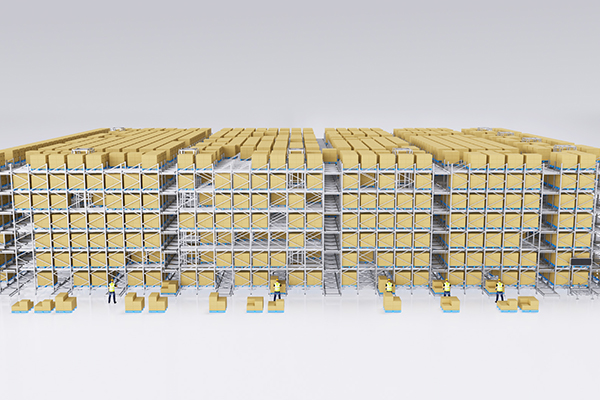
Storage optimization is another area where a warehouse management system pays dividends. The software analyzes product velocity, dimensions, and handling requirements to assign optimal locations. Fast-moving items end up in accessible spots. Slow movers get tucked into denser storage areas. This intelligent slotting reduces wasted space and cuts travel time during picks.
Order fulfillment speeds up because the system sequences tasks intelligently rather than processing them first-in-first-out. Workers or robots receive instructions that minimize backtracking and consolidate trips. Labor management improves as the software balances workloads, tracks productivity, and identifies bottlenecks in real time.
Streamlining the Full Supply Chain
A warehouse management system touches every process from receiving to shipping. When a truck arrives at the dock, the system directs put-away based on available space and product characteristics. During picking, it calculates efficient routes through the facility. At packing stations, it verifies order accuracy and generates shipping documentation.
Automation reduces manual intervention at each step. Barcode scanning replaces handwritten notes. System-directed workflows replace supervisor instructions. Exception handling becomes systematic rather than ad hoc. These incremental improvements compound into significant throughput gains.
Picking and packing efficiency improves particularly when the system optimizes wave planning and batch consolidation. Instead of processing orders one at a time, the software groups similar orders and routes pickers through logical paths. Travel time drops. Throughput rises. The same workforce handles more volume without working harder.
Getting Implementation Right
Successful warehouse management system deployment requires methodical preparation. Start by documenting current operations in detail. Map every process, measure every metric, and identify every pain point. This baseline reveals where the system can deliver the most impact and where existing workflows need adjustment.
Selecting the right warehouse management system means weighing several factors. Cloud-based solutions offer faster deployment and lower upfront costs but depend on reliable connectivity. On-premise installations provide more control but require internal IT resources for maintenance and upgrades. The choice depends on your infrastructure, budget, and risk tolerance.
Integration with existing systems demands careful attention. Your enterprise resource planning software holds master data that the warehouse management system needs. Your transportation management system coordinates outbound logistics. Data migration requires mapping fields, validating records, and testing extensively before go-live. Rushing this step creates problems that persist for years.
A phased rollout reduces risk. Start with a single facility or product category. Work through the inevitable issues on a smaller scale. Then expand systematically, applying lessons learned at each stage.
Features That Matter Most
Inventory control capabilities form the foundation. The system should track stock in real time, support batch and lot control for regulated products, and enable cycle counting without shutting down operations. Accuracy improvements here cascade through every downstream process.
Labor management tools optimize workforce allocation. The system assigns tasks based on worker location, skill level, and current workload. Performance tracking identifies training needs and highlights top performers. Forecasting helps with staffing decisions for peak periods.
Slotting optimization ensures products occupy the right locations. High-velocity items belong in prime picking positions. Bulky products need appropriate storage configurations. The system should continuously analyze movement patterns and recommend location adjustments.
Reporting and analytics capabilities turn operational data into actionable insights. Customizable dashboards surface key metrics. Historical analysis reveals trends and seasonal patterns. This visibility supports continuous improvement efforts and strategic planning.
| Feature Category | Key Features | Benefit |
|---|---|---|
| Inventory Management | Real-time tracking, batch/lot control, cycle counting | Enhanced accuracy, reduced shrinkage |
| Order Fulfillment | Wave picking, put-away strategies, cross-docking | Faster processing, improved customer service |
| Labor Management | Task assignment, performance tracking, labor forecasting | Optimized workforce, increased productivity |
| Reporting & Analytics | Customizable dashboards, historical data analysis | Data-driven decision making, continuous improvement |
| Integration | ERP, TMS, automation systems | Seamless data flow, holistic supply chain view |
For more insights into optimizing your warehouse operations, consider exploring 《PTP Intelligent Warehouse Software Empowers Enterprises for Smart Upgrades》.
Robotics Integration Changes Everything
Warehouse automation is accelerating, and the warehouse management system sits at the center of that transformation. The software orchestrates robotic equipment, coordinating movements and optimizing task allocation across mixed fleets of automated systems.
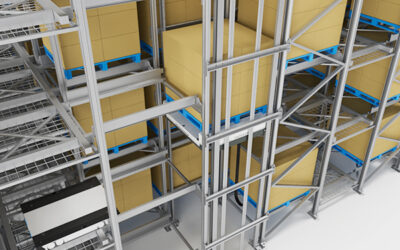
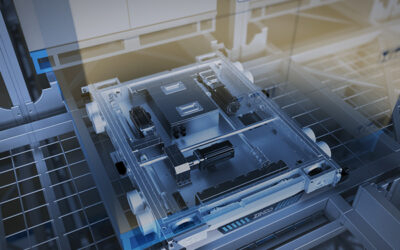
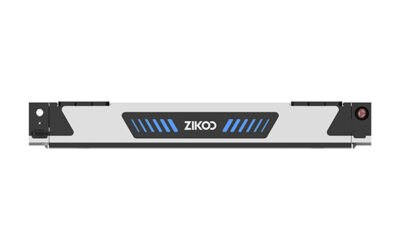
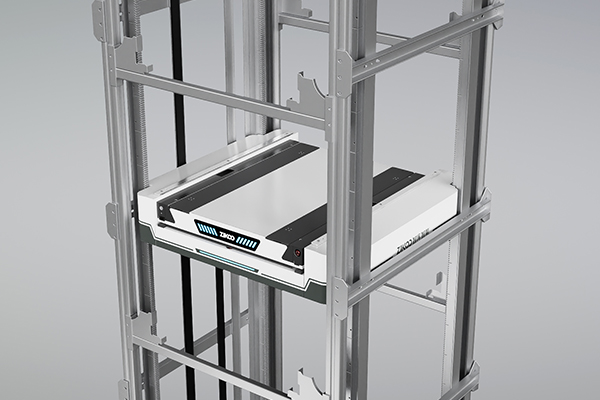
Zikoo Smart Technology Co., Ltd. specializes in pallet-to-person robotics designed for high-density storage environments. The U-bot Omnidirectional Stacking Robot features a distinctive U-shaped body that enables omnidirectional movement in narrow aisles. The R-bot Four-way Shuttle handles dense storage with intelligent autonomous operation. The H-bot Vertical Bidirectional Shuttle adds vertical movement capabilities for three-dimensional storage networks.
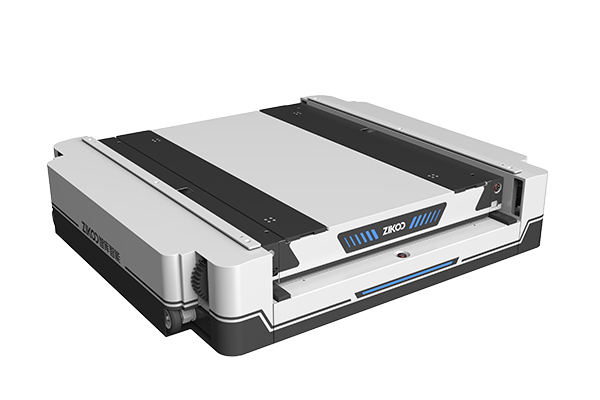
Our PTP Smart Warehouse Software integrates warehouse management system, WES, WCS, and Robot Control System functions into a unified platform. This integration eliminates the communication gaps that plague systems built from separate components. When the warehouse management system, execution layer, and robotic control speak the same language, coordination improves and throughput increases.
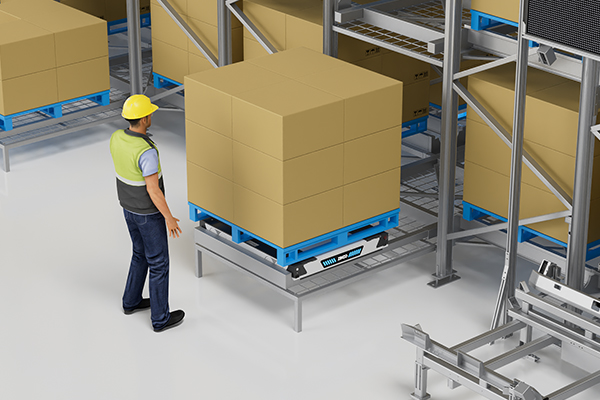
The R-bot Four-way Shuttle combined with the H-bot Vertical Bidirectional Shuttle creates a Six-way shuttle system capable of moving horizontally and vertically through racking structures. This three-dimensional movement enables storage densities that traditional systems cannot match. The U-bot Omnidirectional Stacking Robot excels in narrow aisle configurations, working alongside autonomous mobile robots for hybrid picking operations. This combination supports both “To B palletization” for wholesale distribution and “To C split-case picking” for e-commerce fulfillment.
Artificial intelligence enhances warehouse management system capabilities through dynamic path planning and optimized task allocation. The system calculates efficient routes for automated guided vehicles and other robots, adjusting in real time as conditions change. This intelligence ensures robotic fleets deliver maximum throughput while maintaining high storage density.
Performance numbers illustrate what’s achievable. The U-bot combined with AMR Narrow Aisle Picking System reaches picking efficiency exceeding 300 pieces per hour. Inbound and outbound efficiency surpasses 80 pallets per hour. Storage density improves by more than 30% compared to conventional approaches.
To learn more about advanced shuttle systems, read 《Smart Storage Revolution: Comprehensive Overview of Four-Way Shuttle Systems for Automatic 3D Warehouses》.
Take the Next Step
Zikoo Smart Technology Co., Ltd. builds warehouse management system solutions and advanced robotics designed to work together from the ground up. Our integrated PTP Smart Warehouse Software coordinates inventory management, task execution, equipment control, and robotic operations through a single platform. The result is measurable improvements in efficiency, accuracy, and throughput.
Contact us for a consultation tailored to your specific requirements. Our team can assess your current operations and recommend solutions that fit your facility, products, and growth plans. Reach us at [email protected] or call (+86)-19941778955.
Frequently Asked Questions
What separates a warehouse management system from WES and WCS?
A warehouse management system handles inventory tracking and order management at the strategic level. It knows what’s in stock, where it’s located, and what needs to ship. A Warehouse Execution System operates at the tactical level, optimizing real-time task sequencing and workflow coordination. A Warehouse Control System works at the equipment level, directly managing automated machinery like conveyors, sorters, and robotics. Zikoo’s PTP Smart Warehouse Software integrates all three layers plus Robot Control System capabilities, eliminating the communication gaps that occur when these functions run on separate platforms.
How long should a warehouse management system implementation take?
Timeline varies based on complexity and scope. A straightforward cloud-based warehouse management system deployment for a single facility might take several weeks. Enterprise implementations involving multiple sites, extensive customization, and deep integration with existing systems can stretch to several months or longer. The critical factor is preparation quality. Thorough requirements gathering, careful data migration planning, and phased rollouts reduce risk and improve outcomes. Rushing implementation to meet arbitrary deadlines typically creates problems that take longer to fix than the time saved.
Will a warehouse management system work with our existing ERP and supply chain software?
Modern warehouse management system solutions are built for integration. Standard interfaces connect with major enterprise resource planning platforms, transportation management systems, and other supply chain software. The integration ensures master data stays synchronized, orders flow automatically between systems, and reporting provides a complete operational picture. Integration complexity varies depending on the specific systems involved and the depth of data exchange required. Evaluating integration capabilities should be part of any warehouse management system selection process.