Many warehouse teams use “turnkey” as a convenience word. In practice, it is the most misunderstood term in automation procurement. A turnkey project is supposed to transfer an operating system to the buyer, not merely deliver equipment. But in warehouse automation, the gap between a machine delivery and an operating warehouse can be several months, a second integration project, and a substantial unplanned budget.
That gap is why “turnkey” must be defined at the scope level, not at the sales level.
The Difference Between Turnkey and Equipment Supply
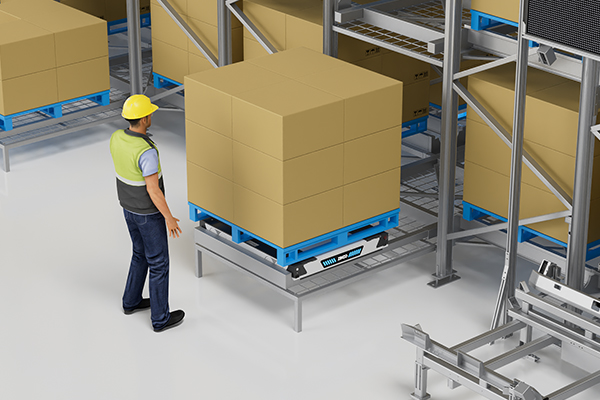
A pure equipment supply may include the shuttle, lift, racking, or software as separate line items. A turnkey automation contract should connect them into one functioning warehouse system. The buyer’s real question is not whether the vendor can ship the machines; it is whether the vendor accepts responsibility for performance after the machines are installed, connected, and configured.
A turnkey contract generally covers more than the robot. It should include data profiling, system design, layout validation, racking integration, mechanical installation, electrical work, software configuration, safety coordination, testing, training, and a defined handover process. If any of those layers is treated as “by others,” the buyer is effectively acting as the integrator.
What an End-to-End Turnkey Scope Must Include
A useful way to audit a proposal is to separate the scope into layers. The table below gives a practical checklist for buyer evaluation.
| Scope layer | What a turnkey provider should own | Common exclusions to watch for |
|---|---|---|
| Floor and civil | Floor flatness, load checks, column grid, expansion joints, ramp access | Concrete repair, dustproofing, fire barriers marked as client scope |
| Racking and structure | Rack design, lane geometry, anchors, mesh or guide rails, end stops | Structural permits handled without coordination |
| Robotic equipment | Shuttle, lift, stacker, conveyor interfaces, charging, spare parts | Robots specified without interface drawings |
| Software and control | WCS, WMS integration, task dispatch, path logic, error handling, reporting | Software limited to base screens and basic alarms |
| Installation and test | Electrical, network, floor marking, FAT, SAT, performance trials | Commissioning limited to remote support |
| Post-go-live | Training, maintenance procedures, spare parts list, response time | No measurable uptime or response commitment |
If a proposal only lists the shuttle and lift, the procurement team should not call it turnkey. It is an equipment package with an integration burden.
Need to turn a rough layout into a comparable quote? Send the proposed layout, pallet dimensions, storage temperature, and hourly pallet target to [email protected]. An engineering review will check scope boundaries, interface risks, and whether the quoted concept can reach the required pallet throughput.
The Automation Sequence That Actually Defines Turnkey
A real end-to-end project follows an engineering sequence. Shortening this sequence is where most “turnkey” failures begin.
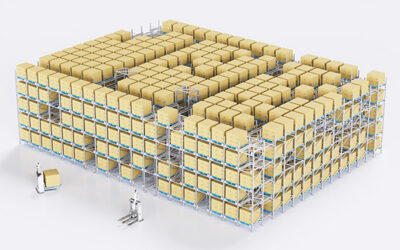
The first step is data profiling: pallet size, load, SKU behavior, inbound and outbound peaks, order lines, temperature, building height, and operational shift pattern. This data determines whether the system should use a four-way shuttle network, a stacker crane, or a mixed architecture.
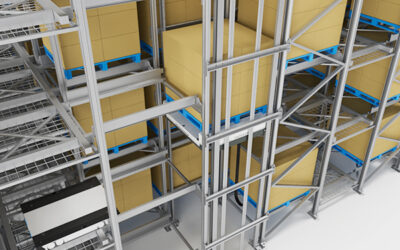
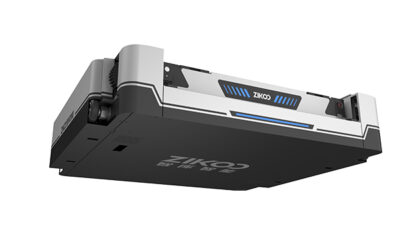
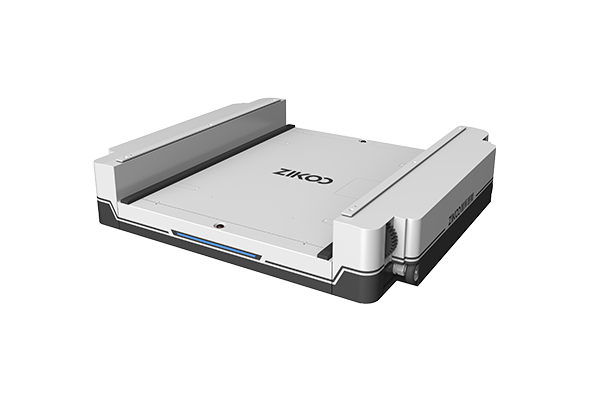
The second step is solution design. For dense pallet storage, a four-way shuttle plus vertical lift system creates a three-dimensional storage network. The R-bot four-way shuttle moves in four directions within a lane, while the H-bot vertical bidirectional shuttle transfers pallets between levels. A 125 mm shuttle body height is an engineering choice, not a marketing detail: it directly affects how many storage levels fit within a given building height.
The third step is software simulation and interface freeze. The most expensive mistakes happen when WMS order release logic, pallet numbering, and material handling equipment handshake points are not fixed before integration.
A pallet system only becomes turnkey when the shuttle fleet, lift, racking, and WCS are designed as one system rather than connected after the fact. <Six-Way Shuttle: The Dual-Engine Solution for High-Density and High-Throughput> covers how shuttle and lift coordination changes system throughput.
Hardware Scope Is More Than the Robot
Turnkey hardware includes racking, floor interface, conveyors, safety fencing, charging, and maintenance access. A shuttle project that ignores floor flatness or rack alignment will lose positioning accuracy.
For example, the H-bot vertical bidirectional shuttle can achieve a positioning accuracy of ±1 mm under controlled installation conditions. That specification only has value if the racking, rails, and floor reference points are installed to a compatible tolerance. A turnkey provider should be responsible for that alignment, not treat the robot tolerance as an independent guarantee.
The same applies to pallet compatibility. A four-way shuttle fleet may need to handle European, American, Japanese, or heavy-duty pallet formats. If the procurement team changes pallet specification after order, the interface may change. In a turnkey contract, pallet dimensions, load, and pallet condition should be frozen during data profiling.
Software and Controls Are the Hidden Turnkey Test
Software is where the “turnkey” claim often collapses. The buyer may see a polished dashboard and assume the system is complete. But the real integration lives in the task dispatch logic, error queues, WMS handshakes, and exception recovery rules.
A smart warehouse software platform must coordinate WMS, WES, WCS, and robot control functions. The WCS allocates missions, manages charging, resolves contention at lifts, and decides which shuttle picks up which pallet. If that control layer is thin, mechanical speed does not translate into warehouse throughput.
Turnkey performance is determined less by maximum travel speed and more by software decisions under congestion, lifting, charging, and order release. <Software-Driven Hardware: Six-Way Shuttle Maximizes Warehouse Efficiency> covers how software behavior drives the throughput that buyers actually measure.
Testing, Handover, and Performance Acceptance
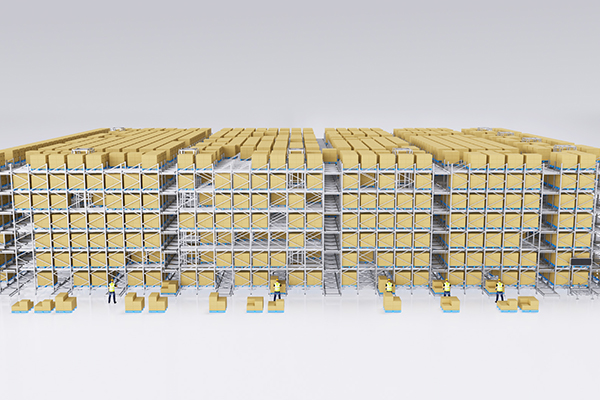
A complete turnkey project should include factory acceptance testing before shipment and site acceptance testing after installation. The buyer should agree on measurable test conditions: number of pallets per hour, peak duration, simultaneous movements, emergency stop behavior, and WMS failover.
The handover package should include as-built layout drawings, electrical schematics, software version records, spare parts lists, maintenance intervals, and operator training. If those documents are not included, the system is not fully handed over.
A practical acceptance structure is:
- Mechanical completion — equipment installed, leveled, and physically tested.
- Functional completion — shuttle, lift, conveyor, and software functions verified.
- Performance completion — sustained throughput achieved under agreed test scenarios.
- Operational completion — operators trained, maintenance staff briefed, documentation delivered.
Common Misconceptions About Turnkey Warehouse Automation
Misconception 1: “Turnkey means everything is included.”
Turnkey means the agreed scope is complete. It does not mean every possible item is included. Site utilities, fire suppression, building permits, and host WMS changes may still belong to the buyer.
Misconception 2: “The vendor with the best robot offers the best turnkey system.”
The robot is one layer. The better question is whether the vendor can deliver racking, controls, software, safety, and commissioning as one accountable scope.
Misconception 3: “A turnkey project removes the buyer from the process.”
The buyer must still provide accurate operational data, validate interfaces, and participate in acceptance testing. Turnkey transfers integration risk, but it does not transfer operational knowledge.
Misconception 4: “Any integrator can convert an imported robot into a turnkey system.”
If the hardware and software are not designed together, the integrator may be forced to build interface workarounds that appear functional but become difficult to maintain.
A Bid-Readiness Approach
Before comparing vendors, a buyer should write down the warehouse’s constraint list: available clear height, column spacing, floor flatness, temperature, pallet profile, order profile, peak throughput, and WMS version. Then ask each vendor to state which constraints their turnkey scope owns and which remain with the buyer.
This is much more useful than comparing robot payload alone. A 1,500 kg pallet capacity is only meaningful if the rack, lift, floor, and workflow can support it throughout the entire route.
Get a Scope-Ready Engineering Review
A turnkey warehouse automation quotation should be specific about hardware, software, installation, testing, documentation, and handover. If you want an engineering-led review of your warehouse layout, pallet profile, and throughput target, send the site information and planned operational data to [email protected]. The response should focus on scope boundaries, interface risks, and a realistic phased cutover plan before commercial discussion.
Frequently Asked Questions
Does turnkey warehouse automation include the racking?
It should, if the contract is truly turnkey. Racking is not a separate accessory; it defines lane geometry, shuttle path, safety clearance, and load transfer. If racking is excluded, the buyer takes responsibility for integrating a structural layer into a dynamic system.
What is the difference between a turnkey provider and a systems integrator?
A turnkey provider normally takes responsibility for a complete operating scope, including definition, delivery, integration, and performance acceptance. A systems integrator may combine third-party equipment but may not own the full hardware and software design. The distinction matters when something fails at the interface.
How can we verify that a vendor can really deliver turnkey automation?
Ask for installation method statements, integration test plans, software version control documents, site acceptance test criteria, and project references with similar pallet profiles and throughput requirements. A vendor that can only show robot specifications has not demonstrated turnkey capability.
Why are turnkey automation quotes so different?
Because the scopes are different. One quote may include racking, safety, floor preparation, documentation, and acceptance testing. Another may include only equipment delivery and basic installation. The buyer should compare the scope matrix before comparing price.
Does turnkey include operator training and maintenance training?
An end-to-end turnkey handover should include both operator training and basic maintenance training. It should also provide maintenance procedures, spare parts lists, and clear response procedures after go-live.
Is a turnkey system more expensive than buying equipment separately?
Initially, it may appear more expensive because the total scope is visible. However, a turnkey contract removes many hidden costs created by integration gaps, coordination delays, and unclear acceptance responsibility. The relevant comparison is total cost from order to stable operation.
References
[1] EN 528:2008, “Rail dependent storage and retrieval equipment — Safety requirements.” CEN, 2008.
[2] IEC 61508, “Functional safety of electrical/electronic/programmable electronic safety-related systems,” Parts 1–7, 2nd ed., 2010.
[3] Directive 2006/42/EC of the European Parliament and of the Council, “Machinery Directive,” 17 May 2006.
[4] ISO 9001:2015, “Quality management systems — Requirements.” ISO, 2015.
If you’re interested, check out these related articles:
Stacker Crane vs Four-Way Shuttle: Which Fits Your ASRS Warehouse Best
Reshaping Warehouse Value: Six-Way Shuttle Leads the Digital Transformation