Warehouses are feeling the pinch: labor costs keep climbing, shortages persist, and expectations for faster, more accurate fulfillment don’t let up. Manual workflows struggle to keep pace with e-commerce and complex supply chains. We see the need for real change. Here’s how advanced robotics and intelligent software meet those pressures head-on, pointing to higher efficiency and a sharper competitive edge.
Understanding the Pressing Challenges in Modern Warehousing Operations
The modern warehousing sector faces a set of stubborn operational hurdles. Escalating labor costs and persistent labor shortages strain profitability and day-to-day continuity. At the same time, customer expectations and e-commerce growth drive the push for faster fulfillment and higher accuracy. Traditional manual processes often fall short, leading to bottlenecks, errors, and inefficiencies that hold back growth. Taken together, these realities make a strong case for advanced, automated solutions to remain competitive and meet market demands.
Deconstructing the Investment: Key Cost Factors in Warehouse Automation
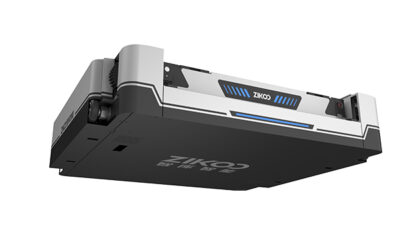
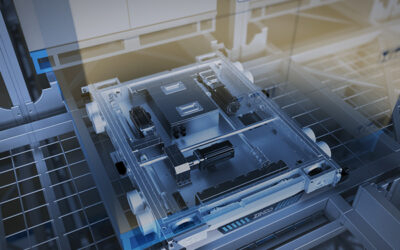
Implementing warehouse automation spans more than the price of hardware. Initial capital expenditure includes robotics such as Zikoo’s U-bot, R-bot, and H-bot, along with the PTP Smart Warehouse Software. This software covers Warehouse Management Systems (WMS), Warehouse Execution Systems (WES), Warehouse Control Systems (WCS), and Robot Control Systems (RCS). Integration costs encompass system design, installation, and commissioning to ensure smooth operation with existing infrastructure. Ongoing expenses typically include maintenance, software licensing, and potential upgrades. While the upfront spend can be substantial, long-term operational savings and efficiency gains bring the financial picture into balance for decision-makers.
Unlocking Value: The Multifaceted Benefits of Automated Warehouse Systems
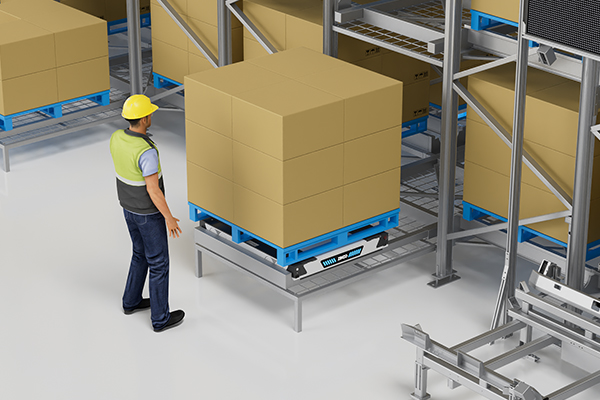
Automating warehouse operations delivers measurable advantages across the business. These systems raise efficiency, improve accuracy, and strengthen safety. They also add the scalability and flexibility needed for future growth. Zikoo’s pallet-to-person robotics and intelligent software drive these outcomes, reducing operating costs and sharpening inventory management. The result is better customer satisfaction and a more resilient competitive position.
1. Enhancing Operational Efficiency and Throughput
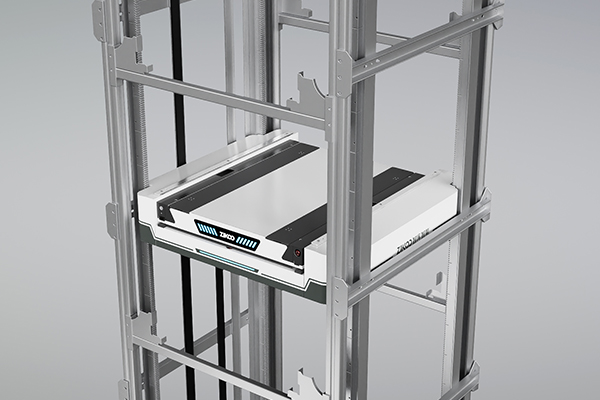
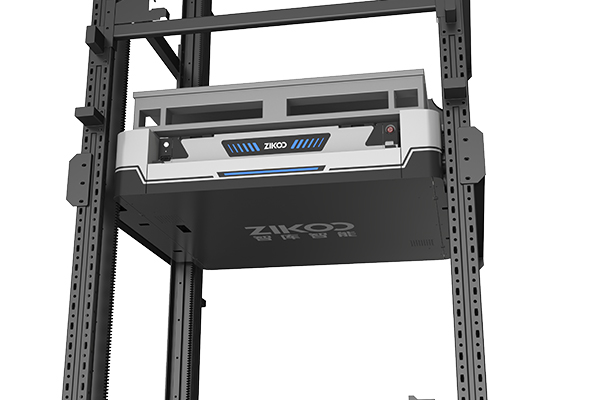
Automated systems lift efficiency by cutting down on manual intervention. Robotics like the R-bot Four-way Shuttle and H-bot Vertical Bidirectional Shuttle execute tasks with consistent speed and precision. Processing times shrink and overall throughput rises. Coordinated robot operation, managed by advanced software, keeps work flowing and resources utilized at optimal levels.
2. Improving Accuracy and Reducing Errors
Manual handling invites human error, from mispicks to inventory discrepancies and damaged goods. Automated systems run with high precision, sharply reducing these issues. Zikoo’s robots, integrated with the PTP Smart Warehouse Software, ensure accurate item placement and retrieval. Inventory integrity improves, while returns and rework drop.
3. Boosting Employee Safety and Morale
Warehouse work can be risky, especially with heavy loads or hazardous zones. Automation shifts dangerous or repetitive tasks to robots. Work becomes safer, and people can focus on more complex, value-adding activities, which lifts morale.
4. Achieving Scalability and Flexibility for Future Growth
Automated warehouse systems scale naturally, adapting to demand swings without heavy manual reconfiguration. We can easily expand robotic fleets or adjust layouts to support more storage or higher throughput. This flexibility sustains growth and keeps the infrastructure agile as markets shift. Our six-way shuttle system, for instance, forms a spatial network that significantly enhances throughput and efficiency. If you are interested in learning more, check out 《Six-Way Shuttle Drives Warehouse Upgrades: Building an Intelligent Automatic 3D Warehouse》.
Calculating Your Return on Investment: A Strategic Approach to Automation
Evaluating ROI for warehouse automation works best with a structured, balanced view. We quantify both tangible savings and intangible gains. Tangible savings include lower labor costs, better space utilization, and reduced energy consumption. Intangible benefits include improved customer service, stronger competitive advantage, and greater operational resilience. By calculating these elements systematically, businesses can justify investments in advanced robotic solutions like those offered by Zikoo.
Navigating Implementation: Best Practices for Integrating Automation Solutions
Successful integration starts with careful planning and disciplined execution. We begin with a thorough assessment of current operations and future needs. Vendor selection matters, favoring partners with robust technology and strong support across design, deployment, and ongoing operations. Deployment covers precise installation, testing, and staff training. Continuous optimization keeps performance high as requirements evolve. Partnering with technology providers like Zikoo Smart Technology supports a smooth transition and maximizes long-term benefits. Our PTP Smart Warehouse Software (WMS/WES/WCS/RCS) integrates cleanly, providing comprehensive control. For more details on our software capabilities, refer to 《PTP Intelligent Warehouse Software Empowers Enterprises for Smart Upgrades》.
Ready to Transform Your Warehouse Operations?
Ready to modernize your warehouse operations and realize significant cost savings and efficiency gains? Contact Zikoo Smart Technology today for a personalized consultation and discover how our pallet-to-person robotics and PTP Smart Warehouse Software can revolutionize your supply chain. Email us at [email protected] or call us at (+86)-19941778955.
FAQs
What is the average ROI for warehouse automation projects?
The average ROI for warehouse automation varies by implementation scale, chosen technologies, and starting inefficiencies. Many companies reach full ROI within 1-3 years through reduced labor costs, increased throughput, and improved accuracy. Projects using advanced robotics like Zikoo’s solutions often see faster returns due to high efficiency and adaptability.
How long does it take to implement a new warehouse automation system?
Timelines depend on project complexity and size. A basic system may take a few months, while a broader integration involving multiple robotic units and WMS/WES/WCS/RCS software, such as Zikoo’s PTP Smart Warehouse Software, can take 6-18 months. Solid planning and a phased rollout help streamline the process.
Can warehouse automation integrate with existing WMS/ERP systems?
Yes. Modern warehouse automation solutions, including Zikoo’s PTP Smart Warehouse Software, are designed to integrate with existing Warehouse Management Systems (WMS) and Enterprise Resource Planning (ERP) systems. This maintains data consistency, optimizes workflows, and supports a unified operational view with minimal disruption.
What are the main ongoing costs associated with automated warehouses?
Ongoing costs primarily include maintenance and servicing of robotic equipment, software licensing and updates, energy consumption, and specialized staff training. These expenses are typically offset by lower labor costs, fewer errors, and higher operational efficiency, reducing total cost of ownership over time.