Four-Way Shuttle Reliability: A Manufacturer Comparison Guide
Spending six figures on an AS/RS only to watch it stall during peak season is the kind of lesson you remember. The reliability of four-way shuttles determines whether your automated storage investment pays off or becomes an expensive maintenance headache. This guide breaks down what actually drives consistent shuttle performance and how to compare manufacturers before you commit.
What Makes a Four-Way Shuttle System Reliable
Reliability in this context means the shuttle moves goods when you need it to, without surprise downtime or degraded throughput. It sounds simple, but the gap between a system that runs at 99.5% availability and one that hovers around 97% translates to dozens of extra hours of lost productivity per year. When a shuttle fails mid-cycle, the effects spread quickly: orders back up, labor costs spike as workers compensate manually, and customers start asking questions you do not want to answer.
The core of reliable operation comes down to three areas working together. Mechanical design determines how well components hold up under continuous cycling. Control software (your WMS or WES layer) coordinates movement, prevents collisions, and routes shuttles efficiently. Manufacturing quality controls whether each unit leaving the factory meets the same standard or whether you end up with a few problem units that drag down your whole fleet.
How Component Quality and Software Intelligence Affect Long-Term Performance
Looking at spec sheets only tells part of the story. The real test is how a shuttle behaves after 18 months of daily operation in your specific environment. Temperature swings, dust, humidity, and load variability all stress components differently.
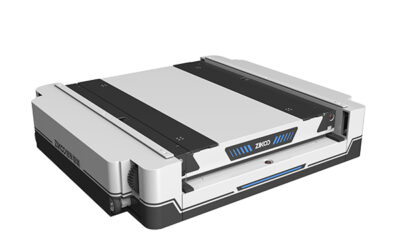
The R-bot Four-way Shuttle, for example, uses a slim body design that reduces weight while maintaining load capacity. That matters because lighter shuttles put less strain on rails and drive systems over time. The unit is rated for operation down to -15°C using specialized cold chain batteries, which indicates the manufacturer has thought through thermal management rather than just quoting a standard operating range. These details add up. A shuttle that handles temperature extremes without battery degradation will maintain consistent cycle times longer than one designed only for climate-controlled environments.
Construction quality shows up in the small things: bearing grades, cable routing, sensor mounting. If a manufacturer cuts corners on these, you will see it in your MTTR numbers within the first year.
Which Metrics Actually Reveal Reliability Differences Between Manufacturers
Three numbers matter most when comparing providers: Mean Time Between Failures (MTBF), Mean Time To Repair (MTTR), and system availability percentage.
MTBF tells you how long, on average, a shuttle runs before something breaks. Higher is better, but context matters. A manufacturer quoting 8,000 hours MTBF in a temperature-controlled distribution center may see that number drop significantly in a cold storage application. Ask for MTBF data specific to environments similar to yours.
MTTR measures how quickly you can get a failed unit back online. This depends on diagnostic capability, parts availability, and whether the manufacturer has local service support. A shuttle with excellent MTBF but poor MTTR can still hurt your operation badly if every failure turns into a multi-day repair.
System availability combines both metrics into a single uptime percentage. For high-volume operations, the difference between 99% and 99.5% availability is meaningful. Calculate what each percentage point of downtime costs you in labor and delayed orders, then use that figure when evaluating price differences between manufacturers.
| Metric | What It Measures | Why It Matters |
|---|---|---|
| MTBF | Average operating hours between failures | Indicates design and component quality |
| MTTR | Average hours to restore operation after failure | Reflects diagnostic tools and service support |
| System Availability | Percentage of scheduled time the system operates | Combines MTBF and MTTR into operational impact |
What to Ask Manufacturers Before Signing
Request MTBF and MTTR data from actual deployments, not just lab testing. Ask for references in your industry vertical and, if possible, in similar environmental conditions. Find out where spare parts are stocked and what the typical lead time is for critical components.
If your operation involves cold storage or temperature variation, confirm that the quoted specifications apply to your conditions. Some manufacturers offer different battery or lubrication packages for extreme environments, and these options affect both upfront cost and long-term reliability.
For operations running multiple shuttle types or considering future expansion, compatibility with your existing WMS matters. A shuttle that requires a proprietary control layer may limit your flexibility later.
If you are evaluating systems for a new facility or retrofit, it is worth discussing your specific throughput requirements and environmental conditions with the manufacturer’s engineering team before finalizing specifications.
Frequently Asked Questions
What is a reasonable MTBF expectation for a four-way shuttle in a standard warehouse environment?
In a climate-controlled facility running standard pallet loads, MTBF figures in the range of 6,000 to 10,000 operating hours are common among established manufacturers. Cold storage or high-cycle applications may see lower numbers. The key is to get data from comparable installations rather than relying on a single headline figure.
How does software affect shuttle reliability?
Control software prevents collisions, optimizes routing, and manages battery charging cycles. Poorly optimized software can cause shuttles to make unnecessary movements, increasing mechanical wear. Good software also provides diagnostic data that helps maintenance teams catch problems before they cause failures. Ask how the manufacturer’s WES handles traffic management and what visibility you will have into shuttle health metrics.
Should I prioritize MTBF or MTTR when comparing manufacturers?
Both matter, but the right balance depends on your operation. If you have limited on-site maintenance capability or the manufacturer lacks local service presence, a high MTBF becomes more important because each failure is costly to resolve. If you have strong in-house technicians and the manufacturer provides good diagnostic tools and parts availability, a slightly lower MTBF with excellent MTTR may result in better overall availability. To discuss which balance fits your situation, contact Zikoo’s technical team for a consultation.
If you’re interested, you may want to read the following articles:
PTP Intelligent Warehousing Platform: Building a Flexible and Smart Logistics Ecosystem
Six-Way Shuttle System Leads the Shift from Machines to Robots in Dense Storage Automation
Standardization Empowers Global Delivery: Zikoo Robotics Six-Way Shuttle Expands Overseas
Six-Way Shuttle: The Smart Warehousing Tool for Cost Reduction and Efficiency
Looking for Reliable Four-Way Shuttle Manufacturers? Choose Zikoo Robotics