Investing in warehouse automation requires careful consideration, especially when evaluating vendor claims. Strategic due diligence in verifying automation references is paramount to mitigating risks and ensuring project success. This process involves a systematic approach to scrutinize past project performance, ensuring that proposed solutions align with operational needs and deliver promised efficiencies. I have seen firsthand how thorough verification can prevent costly missteps and build confidence in a chosen partner.
Why Verification Matters Before You Commit Capital
The adoption of automation systems represents a significant capital expenditure and operational shift for any business. Without proper verification of a vendor’s past projects, companies face substantial risks: underperforming systems, budget overruns, and prolonged implementation timelines. My experience has shown that a robust risk assessment in automation begins with scrutinizing the vendor’s track record. We need to move beyond marketing materials and examine the tangible results achieved in similar environments.
This initial step sets the foundation for defining a realistic project scope and anticipating potential implementation challenges. It helps identify vendors who consistently deliver on their promises versus those whose claims lack substantiation. The difference between a successful automation deployment and a costly failure often comes down to how thoroughly you investigated before signing.
What Specific Data Points Should You Request from References
Critically evaluating vendor claims involves dissecting both qualitative testimonials and quantitative performance data. We must seek specific metrics that demonstrate operational efficiency gains and a clear return on investment. This means asking for more than just a list of clients. It requires deep dives into how those clients benefited.
When a vendor presents a case study, I always look for details on baseline performance versus post-implementation results. This includes throughput rates, storage density improvements, and labor cost reductions. Transparent data is key. Our PTP Smart Warehouse Software provides detailed performance analytics that allow clients to verify efficiency gains directly, offering a clear picture of system performance.
Here are specific data points I recommend requesting from a vendor’s automation reference:
| Data Point Category | Specific Information to Request |
|---|---|
| Operational Metrics | Throughput rates (units/hour), order fulfillment accuracy, cycle times |
| Financial Impact | Achieved ROI, cost savings (labor, energy), maintenance costs |
| System Performance | Uptime percentage, error rates, integration success with existing systems |
| Project Management | Original vs. actual timeline, budget adherence, change order history |
| Scalability & Adaptability | How the system handled growth, future upgrade paths |
How to Verify Claims When Vendor-Provided Information Is Not Enough
Relying solely on vendor-provided information is insufficient. Independent verification methods are crucial for obtaining unbiased validation of automation project performance. This often involves a multi-pronged approach.
First, consider a proof of concept for complex or novel solutions. This allows for direct observation of system capabilities in a controlled environment. Second, site visits to existing installations provide invaluable insights. During one project evaluation for a large pharmaceutical client, I observed a vendor’s system that consistently achieved 98% uptime over two years, exceeding their initial claims by three percentage points. This firsthand observation of a fully operational system, combined with discussions with the client’s operational team, provided verifiable confidence that no brochure could convey. Third, stakeholder interviews with various levels of personnel at reference sites offer diverse perspectives on the project’s success and any challenges encountered.
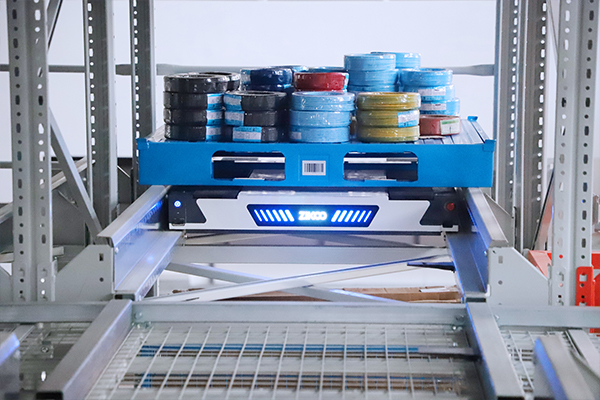
If your evaluation involves a significant capital commitment or a technology new to your operation, it is worth scheduling at least one site visit before finalizing vendor selection.
How to Evaluate Whether the System Will Scale with Your Business
Evaluating an automation solution’s capacity for growth and sustained performance over time is critical for future-proofing investments. Businesses must consider not only immediate gains but also how the system will adapt to evolving operational demands, such as increased throughput or new product lines. This includes examining the modularity of the hardware and the flexibility of the software.
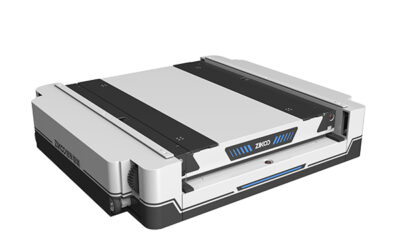
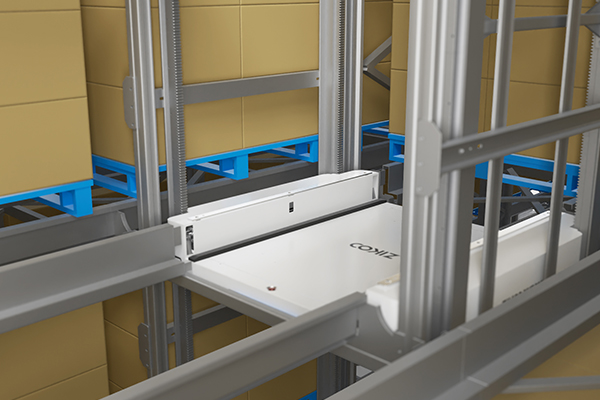
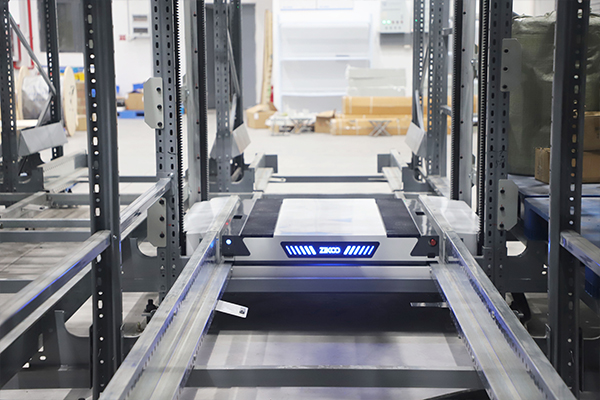
Our R-bot Four-way Shuttle and U-bot Omnidirectional Stacking Robot systems are designed with modularity in mind. The R-bot can be integrated with H-bot vertical bidirectional shuttles to create a six-way shuttle system, allowing for flexible expansion of storage density and throughput as needs change. The U-bot’s omnidirectional movement and collaborative capabilities with AMRs ensure adaptability in narrow aisle storage scenarios, demonstrating long-term scalability.
What Red Flags Indicate Exaggerated or Unreliable Vendor Claims
Decision-makers must be aware of common pitfalls when evaluating automation vendors. One frequent issue is overlooking the importance of data security in automation, especially with integrated systems. Another is underestimating the need for robust change management to ensure smooth adoption by staff.
To build trust, I recommend establishing clear contractual agreements that detail performance guarantees, maintenance and support structures, and future upgrade paths. Compare proposed solutions against industry benchmarks to ensure competitive performance and cost-benefit analysis. A vendor’s willingness to provide transparent access to their existing client base for direct discussions is a strong indicator of their confidence and trustworthiness. When deploying robotic solutions like our R-bot Four-way Shuttle, we emphasize detailed documentation and training to ensure long-term operational success and client satisfaction.
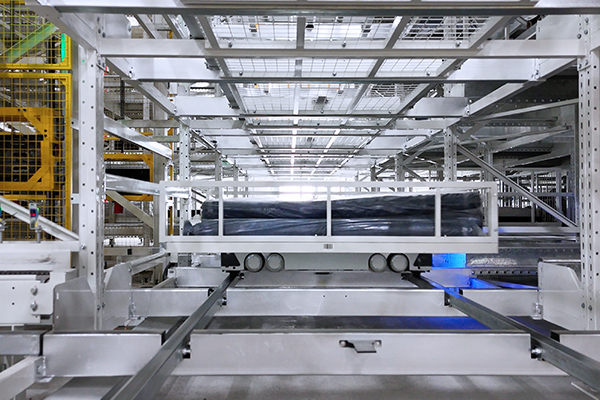
The uncertainty of selecting the right automation partner does not have to jeopardize your operational efficiency. Zikoo Smart Technology Co., Ltd. helps global businesses achieve verifiable warehouse automation success through its innovative pallet-to-person robotics and intelligent PTP Smart Warehouse Software.
To discuss specific requirements, contact us at [email protected] or (+86)-19941778955.
Frequently Asked Questions
Are site visits always necessary for verifying automation project success?
While not always strictly necessary, site visits offer unparalleled insight into a system’s long-term reliability and real-world performance. They allow you to observe operational flow, assess maintenance practices, and speak directly with users, uncovering nuances that written reports cannot capture. For significant investments, I consider them highly recommended.
How can I distinguish between genuine and exaggerated automation project claims?
Genuine claims are supported by specific, measurable data points like throughput rates, ROI figures, and uptime percentages, often corroborated by independent references. Exaggerated claims tend to be vague, focus on aspirational benefits without concrete evidence, and avoid detailed discussions of challenges or specific metrics. Always ask for verifiable performance reports and direct contact with reference clients.
How much time should I allocate for thorough reference verification?
The time required for thorough verification varies based on project complexity and the number of references. Expect to dedicate several weeks for comprehensive performance data analysis and stakeholder interviews. Rushing this phase to meet an internal deadline often costs more in the long run than extending the evaluation period.
Can I rely solely on written testimonials for project validation?
Written testimonials offer initial insights, but they should not be the sole basis for validation. Supplement them with direct conversations, site visits, and independent third-party audits to gain a complete picture of project success and long-term reliability.
What if a vendor has limited public references for a specific technology?
Limited public references necessitate deeper scrutiny. Request detailed proof of concept demonstrations, engage in pilot projects, and seek assurances regarding maintenance and support to mitigate risks associated with newer or niche automation solutions. If you are considering a vendor with limited reference history in your specific application, discussing a phased implementation approach can reduce exposure while validating performance.
If you’re interested, check out these related articles:
Multi-Scenario Smart Adaptation: Zikoo’s Six-Way Shuttle Powers the Digital Transformation of Warehousing
Six-Way Shuttle: Empowering Industries to Embrace Smart Warehousing