Defining Your Automation Needs and Objectives
Effective warehouse automation procurement starts with a precise understanding of your current operational inefficiencies and clearly defined future business goals. This foundational step aligns technology investments with strategic outcomes.
Begin by conducting a comprehensive audit of your existing warehouse processes, identifying bottlenecks, labor-intensive tasks, and areas prone to errors. Quantify these issues wherever possible, using metrics such as picking errors per shift, order fulfillment cycle time, or storage utilization rates. The numbers matter because they become your baseline for measuring whether automation actually delivered what you paid for.
Next, articulate your business objectives. Are you aiming to increase throughput by 30%, reduce labor costs by 20%, or improve order accuracy to 99.9%? Specific, measurable, achievable, relevant, and time-bound goals provide a clear target for your automation project. Consider how these objectives align with broader supply chain optimization strategies and overall business growth. A growing e-commerce operation might prioritize scalability and speed, while a pharmaceutical company might focus on precision and regulatory compliance. Defining these needs and objectives early ensures that every subsequent procurement decision supports your strategic vision.
What Technologies Actually Fit Your Operation
The landscape of warehouse automation is diverse, encompassing various robotic systems and software solutions. A deep dive into these technologies is necessary to identify the best fit for your specific operational requirements.
Automated storage and retrieval systems (AS/RS) are mechanical systems that automatically place and retrieve items from designated storage locations. Robotics in warehouses include a range of devices from automated guided vehicles (AGVs) that follow fixed paths to autonomous mobile robots (AMRs) that navigate dynamically. Warehouse management systems (WMS) manage inventory and order fulfillment, while warehouse execution systems (WES) coordinate automated equipment, and warehouse control systems (WCS) directly control the automated machinery.
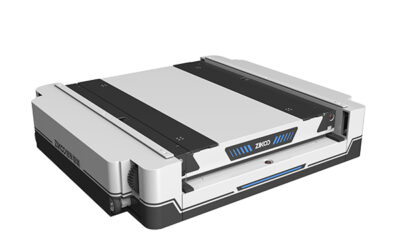
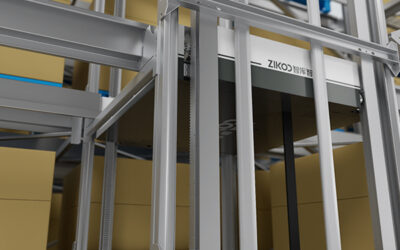
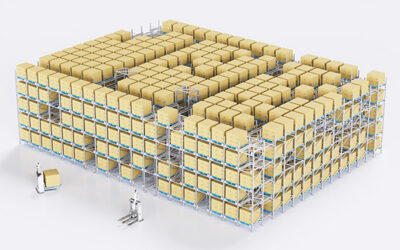
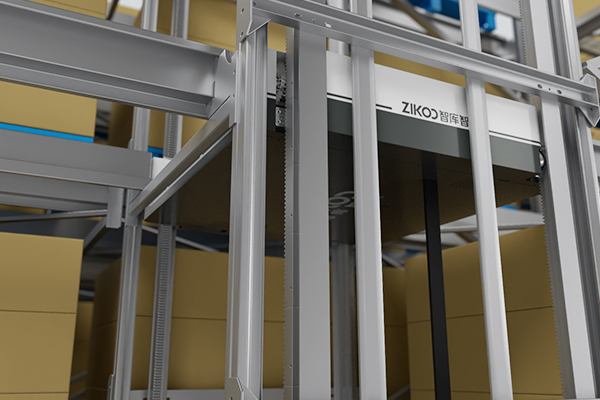
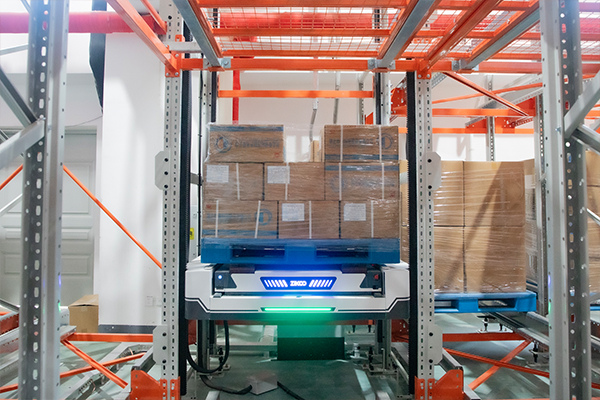
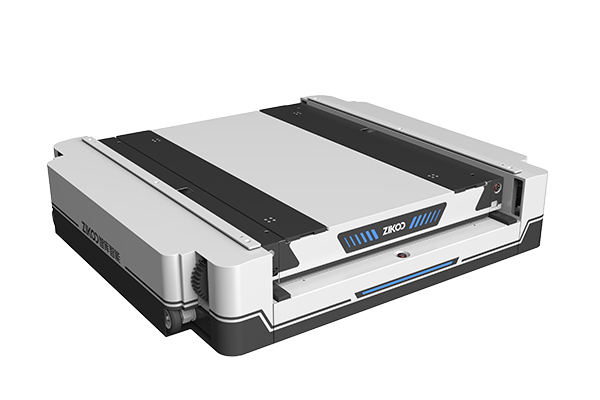
The R-bot Four-way Shuttle is an intelligent warehouse robot optimized for pallet-to-person dense storage scenarios. It features a slim body and flexible four-way movement, designed for high-density storage in e-commerce warehouses or cold chain facilities. When integrated with the H-bot Vertical Bidirectional Shuttle, it creates a six-way shuttle system, significantly enhancing vertical transportation and overall throughput. The U-bot Omnidirectional Stacking Robot is designed for narrow aisle storage, requiring a minimum aisle width of only 2100 mm, making it ideal for existing warehouse renovation projects or high-density storage of raw materials. Understanding these distinctions allows for informed decisions on which technologies can best address your identified operational gaps.
How to Evaluate Vendor Capabilities and Solutions
Selecting the right vendor is paramount for project success, requiring a rigorous assessment of their technical expertise, solution scalability, and long-term support. The Request for Proposal (RFP) process is a critical tool here. It should clearly outline your defined needs, technical specifications, and expected performance metrics. Evaluate vendor responses not just on cost, but on their proposed solution’s ability to integrate with your existing infrastructure, their track record in similar implementations, and their commitment to post-implementation support.
I recall a project where a client in the energy sector needed an automated pallet system for hazardous materials. We proposed a customized R-bot solution where the vehicle design avoided specific metal materials and used stainless steel frames with blackening treatment to prevent contamination. This attention to detail, combined with a proven ability to deliver specialized solutions, was a key factor in their decision. The result was a system that not only met their stringent safety requirements but also improved inbound and outbound efficiency by 40%.
Zikoo Smart Technology Co., Ltd offers an integrated PTP Smart Warehouse Software (WMS/WES/WCS/RCS) that streamlines automation management. This comprehensive software suite ensures seamless communication and coordination between different automated components, providing a unified platform for controlling and optimizing warehouse operations.
| Feature Category | R-bot Four-way Shuttle | H-bot Vertical Bidirectional Shuttle | U-bot Omnidirectional Stacking Robot |
|---|---|---|---|
| Core Function | Pallet-to-person dense storage | Vertical transportation hub | Narrow aisle stacking |
| Movement | Four-way movement | Vertical bidirectional | Omnidirectional |
| Max Load (kg) | 2000 | 1800 | 1000 |
| Min Aisle Width | N/A (operates within racks) | N/A (occupies single location) | 2100 mm |
| Key Application | E-commerce, cold chain | High-rack stereoscopic warehouses | Existing warehouse renovation |
Project Planning, Implementation, and Risk Management
A detailed project plan, encompassing timeline, resource allocation, and a robust risk assessment strategy, is essential to mitigate potential disruptions and ensure a smooth transition to automated operations. Break down the project into manageable phases: planning, design, procurement, installation, testing, and go-live. Assign clear responsibilities and establish communication protocols.
Conduct a thorough risk assessment, identifying potential pitfalls such as integration challenges with legacy systems, unexpected infrastructure modifications, or delays in equipment delivery. Develop contingency plans for each identified risk. Change management is equally important. Prepare your workforce through training and clear communication about the benefits and changes automation will bring. Ensuring regulatory compliance, especially for specialized industries like pharmaceuticals or cold chain, must be embedded into every stage of planning. This proactive approach minimizes unforeseen issues and keeps the project on track.
If your operation involves specialized storage requirements or legacy system integration, it is worth discussing these parameters with potential vendors before committing to a solution.
Measuring ROI and Continuous Optimization
Post-implementation, continuous monitoring of key performance indicators (KPIs) and a clear return on investment (ROI) framework are crucial for demonstrating value and identifying opportunities for further optimization. Establish baseline metrics before automation and track them rigorously after deployment. This includes operational efficiency metrics like throughput rates, order accuracy, and labor utilization, as well as financial metrics such as cost savings from reduced labor or improved inventory turns.
Data analytics in warehousing plays a vital role here. By analyzing data from your automated systems, you can identify trends, pinpoint areas for improvement, and fine-tune your operations. If data reveals peak hour bottlenecks, you might adjust robot allocation or optimize picking routes. This iterative process of measurement and adjustment ensures that your warehouse automation continues to deliver maximum value over its lifecycle, adapting to evolving business needs and market demands.
Frequently Asked Questions
What are the typical challenges faced during warehouse automation procurement?
Navigating the complexity of various automation technologies and ensuring their compatibility with existing infrastructure often presents significant challenges. Other common hurdles include accurately forecasting future needs, securing budget approval, and managing the integration of new systems with legacy software and processes. Effective communication with all stakeholders is key to overcoming these.
What are the critical factors to consider when evaluating warehouse automation vendors?
Critical factors include a vendor’s proven track record, technological innovation, implementation methodology, and comprehensive support services, alongside their financial stability and industry reputation. Their ability to customize solutions to your specific operational nuances and provide clear ROI projections is also vital for a successful partnership.
How long does a warehouse automation project typically take from planning to implementation?
The duration of a warehouse automation project varies significantly based on its scope and complexity, typically ranging from 6 months for smaller systems to over 2 years for large-scale, fully integrated solutions. Factors like facility size, technology chosen, and the extent of customization all influence the timeline. To discuss specific requirements for your warehouse automation procurement, contact us at [email protected] or (+86)-19941778955.
Six-Way Shuttle: Pioneering the Future of Smart Warehousing
Smart Cold Chain Era: Six-Way Shuttle System Redefines Storage Efficiency with Maximum Density