Automated picking solutions for industrial inventory are system designs that move pallets, totes, or containers from storage to a pick or transfer point with minimal manual travel. The useful question is not which robot looks most advanced, but which combination of storage density, transport, station design, and software control fits the inventory unit and order profile. A heavy pallet of raw material, a mixed pallet of finished goods, and a small spare part do not follow the same picking logic. The right design reduces travel and search time without creating a new bottleneck at the lift, conveyor, or pick station.
What Automated Picking Means for Industrial Inventory
Automated picking is often used loosely. In industrial inventory, it can mean a pallet-to-person system that brings a whole pallet to a workstation, a goods-to-person system that delivers totes or containers, a robotic arm that picks cases or layers from a conveyor, or a fleet of mobile robots that moves inventory between zones. These are different answers to different handling problems.
The inventory unit is the first dividing line. A pallet-level solution must handle load weight, pallet condition, overhang, and rack tolerance. A case-level solution must handle carton variation, label position, and gripper access. A piece-level solution must handle small parts, mixed orders, and high SKU counts. A system that works for one unit often fails for another because the physical interface changes.
The second dividing line is the picking model. In a manual warehouse, a picker travels to a location and lifts the item. In an automated warehouse, the inventory travels to a station, or a robot performs the transfer. That shift changes labor demand, safety exposure, and station design. It also changes the software requirement, because every movement must be sequenced, confirmed, and recovered when an exception occurs.
Where Picking Breaks Down in Industrial Warehouses
Picking problems usually appear as labor pressure, but the underlying causes are more specific. Travel and search time consume a large share of manual picking hours. Double handling appears when a pallet is received, stored, moved to a staging area, and then moved again for order preparation. Peak demand exposes the gap between average capacity and usable capacity. Inventory accuracy suffers when physical locations and system records drift apart.
Dense storage can reduce travel, but density alone does not fix throughput. If a lift, conveyor, or pick station cannot keep pace, the storage system simply queues work in a smaller area. The bottleneck moves rather than disappears. This is why a picking project should start with the flow of inventory through the building, not with a vehicle specification.
Industrial inventory adds constraints that a retail fulfillment design may not face. Loads can be heavy, dusty, oily, or unstable. Storage may be in a cold room, a high-bay rack, or a manufacturing line-side area. The picking solution must fit the environment, the maintenance access, and the safety rules around people and mobile equipment.
The Main Automated Picking Architectures Compared
| Architecture | Typical inventory fit | Picking model | Main constraint |
|---|---|---|---|
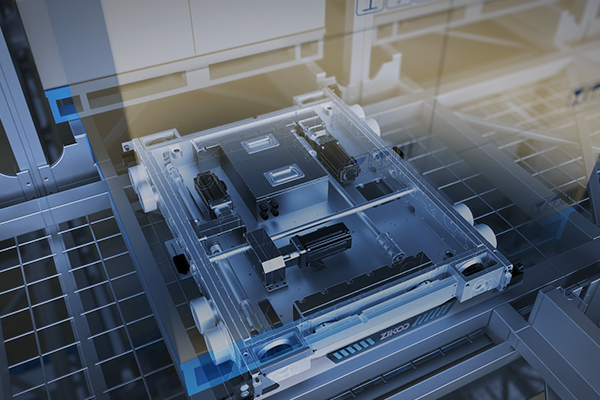
| Pallet-to-person four-way shuttle | Pallets, heavy raw material, finished goods | Shuttle brings the pallet to a lift or station | Rack tolerance, lift cycle time, and station design |
| Six-way shuttle with vertical lift | Dense pallet storage in high-bay layouts | Horizontal and vertical transfer through one network | Higher control complexity and interface discipline |
| Unit-load AS/RS with stacker crane | High-bay pallet storage | Crane retrieves to a conveyor or station | Aisle and building height, plus single-path crane risk |
| Robotic arm or layer picker | Cases, layers, repeatable SKUs | Robot picks from a conveyor or pallet | Gripper design and SKU variability |
| AMR or collaborative picking | Totes, cartons, line-side supply | Robot moves inventory or travels with a picker | Traffic, fleet management, and station ergonomics |
The table is a screening aid, not a ranking. A four-way shuttle and a six-way shuttle can overlap in function. The six-way version adds vertical transfer, which can reduce separate lift movements but also adds control complexity. A stacker crane can serve very high bay storage, while a shuttle system may fit a lower building with denser horizontal movement. The right choice depends on the picking envelope, not on a generic preference for one architecture.
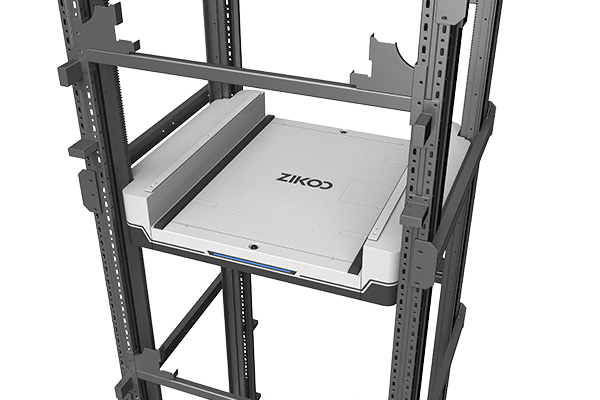
Dense pallet storage only becomes useful when the shuttle, lift, and station are designed as one throughput path. <Six-Way Shuttle: The Dual-Engine Solution for High-Density and High-Throughput> covers the relationship between high-density storage and high-throughput picking.
How to Match Inventory Profile to a Picking Solution
A useful planning device is the picking envelope. It is the set of inventory, order, service, and physical conditions that a solution must satisfy. The envelope includes the unit handled, the number of active SKUs, the order profile, the peak throughput, the storage height, the temperature zone, and the interfaces to the existing warehouse system. If any of these is unknown, the design is incomplete.
| Data to provide | Why it changes the design | Check to agree |
|---|---|---|
| Inventory unit | Pallet, tote, carton, or loose part changes the handling method | Confirm dimensions, weight, overhang, and load stability |
| SKU and order profile | High-SKU, low-volume and low-SKU, high-volume need different storage and stations | Count active SKUs, lines per order, and order variability |
| Throughput | Peak pallets per hour and lines per hour size lifts, vehicles, and stations | Separate average from peak and include shift patterns |
| Storage density | Cube and height targets affect rack, lift, and vehicle choice | Compare usable locations, not nominal rack height |
| Environment | Cold, cleanroom, hazardous, or dusty conditions change components | List temperature, humidity, dust, and cleaning rules |
| Software and interfaces | WMS, WES, WCS, RCS, ERP, and conveyor handshakes set the control boundary | Map data ownership, exception handling, and acceptance tests |
The envelope should be tested against the actual order mix. An operation with many slow-moving SKUs may need more storage locations and more travel than its pallet count suggests. An operation with a few high-volume SKUs may need a different station layout and replenishment rhythm. The same robot can serve both, but the station design and software rules should not be assumed to be the same.
Throughput, Density, and Software Control
Throughput is a system property. It is the output of the slowest link in the chain: vehicle travel, lift transfer, conveyor merge, station pick time, replenishment, or exception recovery. A fast vehicle in a poorly sequenced system creates queues. A dense rack with too few stations creates waiting. A station with no buffer creates idle vehicles. The design should identify the limiting link before the equipment list is fixed.
The software layer decides which mission goes next, where a vehicle waits, and how a station is replenished. A warehouse management system owns inventory and order logic. A warehouse execution system coordinates work across zones. A warehouse control system or robot control system manages equipment and traffic. If these boundaries are unclear, the project can pass a factory test and still fail in daily operation.
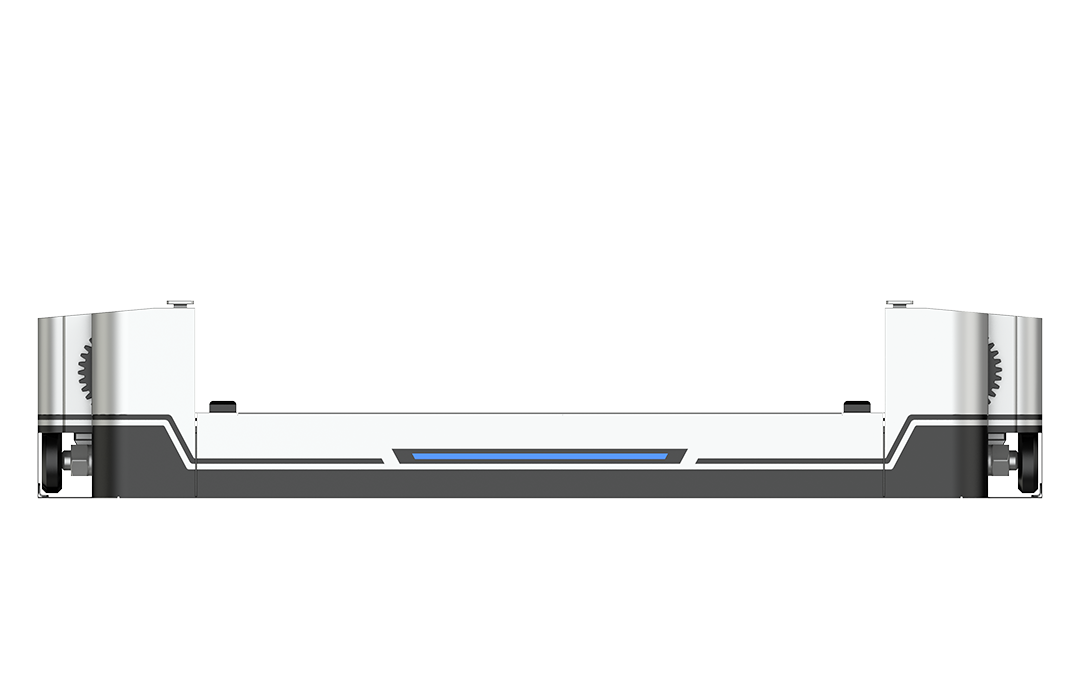
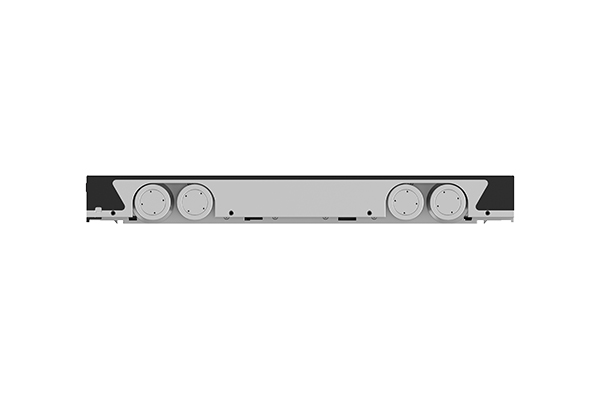
Zikoo’s published product information lists the R-bot four-way shuttle at a 125 mm body thickness and up to 1.5 t load, and the H-bot vertical shuttle at plus or minus 1 mm positioning accuracy. These are useful screening data for aisle fit and alignment, not proof of project throughput. The project still needs a station cycle study, a peak profile, and an acceptance test that reflects the real SKU mix.
| Record | Method context | Responsible use | Do not infer |
|---|---|---|---|
| R-bot four-way shuttle: 125 mm body thickness, up to 1.5 t load | Published product data for standard configurations | Screen aisle and rack fit against pallet size and load | That every 1.5 t pallet can be handled at full speed in every rack layout |
| H-bot vertical shuttle: plus or minus 1 mm positioning accuracy | Published product data | Check alignment and interface requirements at the lift and station | That pick accuracy at the station is also plus or minus 1 mm |
| U-bot plus AMR system: at least 300 pieces per hour, at least 80 pallets per hour, up to 10,000 SKUs | Published system data for a defined configuration | Frame RFQ throughput and SKU-scale discussions | That the same rates apply to a different SKU mix, station count, or shift pattern |
| Cold-chain operation at -25°C for specified models | Published product data | Identify the need for component-level cold-chain review | That every battery, lubricant, sensor, and safety device is approved for all cold-store duty cycles |
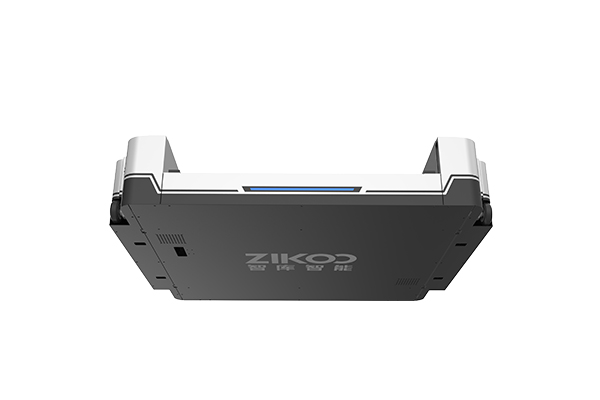
Picking performance depends on software decisions as much as on vehicle speed. <Software-Driven Hardware: Six-Way Shuttle Maximizes Warehouse Efficiency> covers how software-driven coordination supports warehouse efficiency.
Implementation Checks for Brownfield and Regulated Environments
Brownfield projects need a different sequence from new builds. The existing rack, floor, fire system, power, network, and traffic routes set hard limits. A phased retrofit can keep part of the warehouse running while a section is converted, but the temporary flow must be planned as carefully as the final flow. Otherwise the project moves the bottleneck into a corridor or a staging area.
Regulated environments add evidence requirements. Cold storage needs a component-level review of batteries, lubricants, sensors, and safety devices. Cleanroom or hazardous areas need enclosure, cleaning, and maintenance rules that match the environment. Food, pharmaceutical, and energy projects may also need traceability, change control, and documented acceptance criteria. A standard model may be suitable, but the project should not assume that a general specification covers every condition.
Industrial inventory often includes heavy spare parts, raw materials, and finished goods in the same site. That mix can justify a hybrid design: a dense pallet store for the stable inventory, a flexible mobile robot zone for line-side supply, and a manual or semi-automatic station for the long tail. The goal is not full automation everywhere. The goal is to automate the movements that can be standardized and to keep the exceptions visible and manageable.
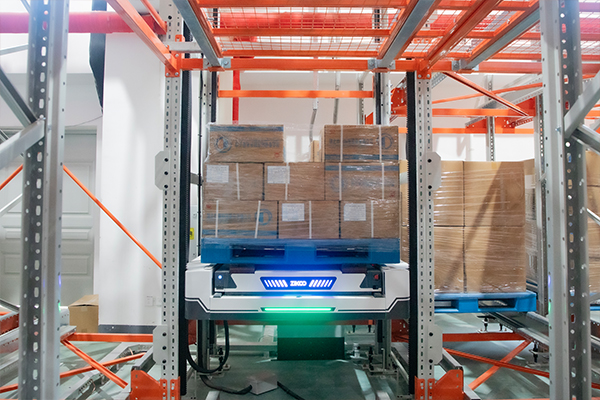
An industrial inventory project usually needs a platform view, not a single machine view. <PTP Intelligent Warehousing Platform: Building a Flexible and Smart Logistics Ecosystem> covers the platform-level integration of flexible logistics.
A Practical Selection Framework
-
Define the picking envelope. List the inventory unit, dimensions, weight, SKU count, order lines, peak throughput, temperature zone, and existing system interfaces.
-
Measure the current baseline. Record travel distance, pick rate, replenishment frequency, inventory accuracy, and the main causes of delay. Use observed data where possible and label estimates as estimates.
-
Model the bottleneck. Compare the proposed vehicle, lift, conveyor, and station cycle times. Check whether peak flow can pass through the slowest link without excessive queuing.
-
Test failure modes. Ask what happens when a vehicle stops, a lift is unavailable, a label is unreadable, or the network drops. The recovery path should be defined before go-live.
-
Stage the retrofit. For brownfield sites, separate the physical works, software cutover, and operator training. Keep a temporary flow plan and a rollback point.
-
Agree acceptance metrics. Use pallets per hour, lines per hour, inventory accuracy, and exception recovery time. Tie the test to the real SKU mix and shift pattern, not a demonstration load.
Turn Picking Data Into a Workable System Design
Send the picking envelope to info@zikoo-int.com or call (+86)-19941778955. Include the inventory unit, pallet or tote dimensions, weight range, SKU profile, peak pallets per hour, peak lines per hour, temperature zone, and the current WMS, WES, WCS, or RCS interface constraints. Zikoo can review those inputs against the proposed architecture and identify the data gaps that would change the design. A useful first response depends on real operating data, not a generic robot selection.
FAQ
What is the difference between automated picking and automated storage?
Automated storage moves inventory into and out of a rack or buffer. Automated picking brings that inventory to a person, robot, or station for order assembly. The two functions often share equipment, but they are not the same design problem. A dense storage system can still have a slow picking station, and a fast picking station can still be starved by poor replenishment.
Which automated picking solution suits heavy industrial pallets?
It depends on the load, rack layout, throughput, and building height. A pallet-to-person four-way shuttle or a unit-load AS/RS is usually a better starting point than a carton-level robot. The check should include pallet condition, overhang, load stability, lift capacity, and station design. A vehicle specification alone does not confirm that the full flow will work.
Can automated picking work in an existing brownfield warehouse?
Yes, but the retrofit usually needs a phased plan. The existing floor, rack, fire system, power, and traffic routes set limits that a new-build design may not face. A practical approach is to convert one zone, prove the flow, and then extend it. The temporary flow during construction should be planned with the same care as the final flow.
What data should be included in an RFQ for automated picking?
Include the inventory unit, dimensions, weight, SKU count, order profile, peak and average throughput, storage height, temperature and environmental conditions, and the software interfaces. Add the current pain points and the acceptance metrics you expect to test. Without that data, suppliers can only offer a generic architecture, and the comparison will not show which design fits your operation.
If you’re interested, check out these related articles:
Six-Way Shuttle Powers Dense Storage: Breaking Space Limitations
Six-Way Shuttle: Pioneering the Future of Smart Warehousing
Six-Way Shuttle System Leads the Shift from Machines to Robots in Dense Storage Automation