Modern supply chains demand speed, precision, and maximized space. Automated pallet storage systems offer a strategic advantage, transforming warehouses from static holding areas into dynamic, high-throughput logistics hubs. These systems directly address the pressing needs for increased storage density, faster order fulfillment, and reduced operational costs that many industries face today. Understanding where these technologies deliver the most impact is key to optimizing your investment.
What Makes Pallet Automated Storage Systems Different from Traditional Racking
Automated pallet storage systems represent a significant advancement in warehouse automation, moving beyond traditional manual methods to intelligent, robotic solutions. At their core, these are automated storage and retrieval systems (AS/RS) specifically designed to handle palletized goods. They use various technologies to store and retrieve items with minimal human intervention, improving efficiency and accuracy.
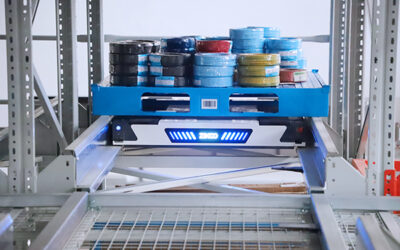
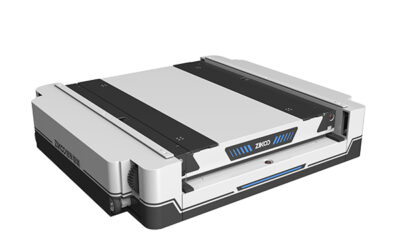
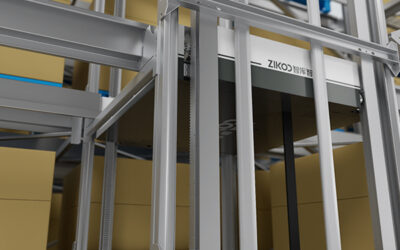
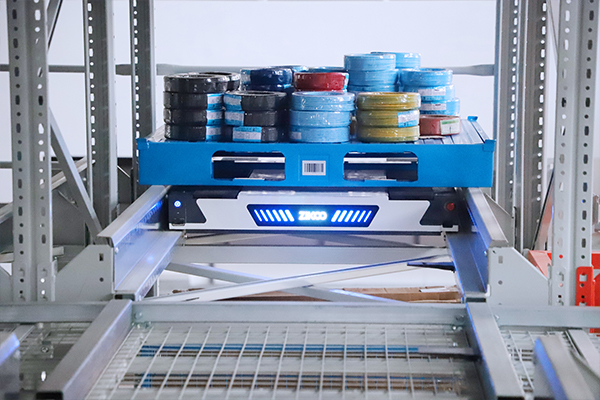
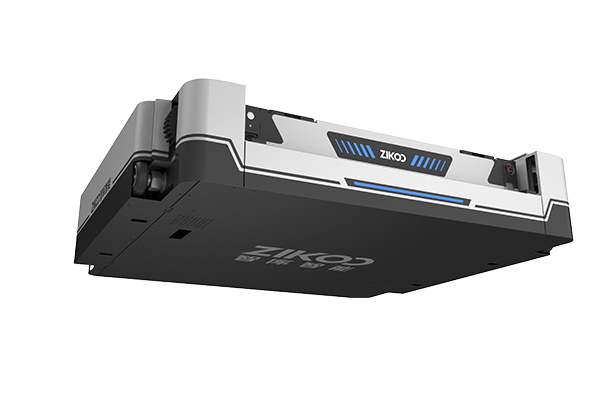
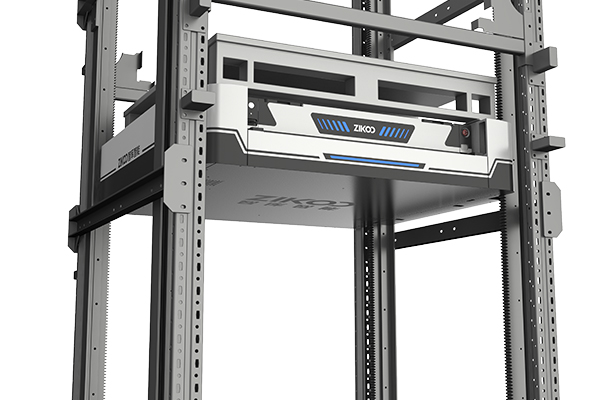
Shuttle systems, like the R-bot Four-way Shuttle, navigate racks horizontally to store and retrieve pallets, while vertical bidirectional shuttles, such as the H-bot, manage vertical movement between levels. Omnidirectional stacker robots, like the U-bot, offer flexibility in narrow aisles for high-density storage. These systems are managed by sophisticated software platforms, including Warehouse Management Systems (WMS) and Warehouse Execution Systems (WES), which orchestrate movements and optimize inventory flow.
Why Warehouses Are Switching to Automated Pallet Storage
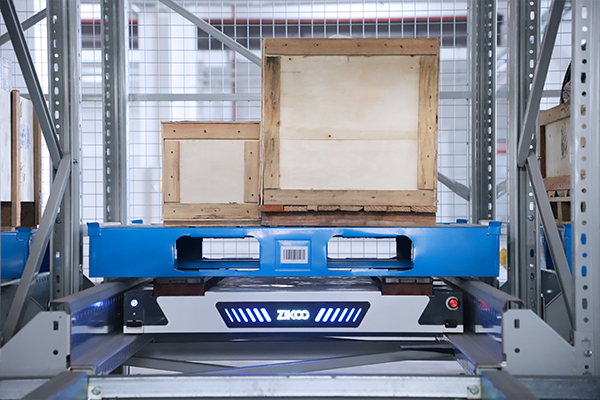
The adoption of automated pallet storage systems is driven by compelling operational, financial, and safety advantages. These systems significantly enhance warehouse efficiency by optimizing space, reducing labor dependency, and accelerating throughput. Businesses frequently achieve substantial improvements in their inventory management and order fulfillment processes. The U-bot and R-bot robots are engineered to maximize space utilization and throughput, directly addressing core operational benefits.
Here is a comparison of automated versus traditional storage benefits:
| Feature | Automated Pallet Storage Systems | Traditional Manual Storage |
|---|---|---|
| Storage Density | Up to 80% higher | Limited by aisle space |
| Labor Costs | Significantly reduced | High, prone to shortages |
| Throughput Speed | 2x to 5x faster | Slower, labor-dependent |
| Accuracy | Near 100% | Prone to human error |
| Safety | Enhanced, fewer accidents | Higher risk of incidents |
| Scalability | Modular, easily expandable | Often requires new facility |
Which Industries Get the Most Value from Pallet Automation
Automated pallet storage systems deliver significant competitive advantages across a diverse range of industries, particularly those with high throughput demands, stringent storage conditions, or complex inventory needs. Sectors like e-commerce, food and beverage, pharmaceuticals, and automotive manufacturing are prime candidates for this technology. Diverse robot lineups and software solutions provide tailored automation for the specific needs of various industrial sectors. The R-bot Four-way Shuttle offers specialized cold chain solutions, operating effectively at -25℃, which is critical for frozen food storage.
Let’s examine some key industry applications:
| Industry | Specific Application | Key Benefits |
|---|---|---|
| E-commerce | High-density storage, rapid order fulfillment | Faster shipping, increased SKU capacity |
| Food & Beverage | Cold chain storage, batch management | Temperature integrity, reduced spoilage |
| Pharmaceuticals | Secure, climate-controlled storage, traceability | Compliance, inventory accuracy, product safety |
| Automotive | Spare parts, manufacturing components storage | Just-in-time delivery, optimized production flow |
| 3PL Providers | Multi-client inventory, variable demand handling | Service flexibility, operational cost reduction |
How to Handle Integration with Legacy Warehouse Systems
Implementing a pallet automated storage system involves strategic planning to navigate potential hurdles and ensure a successful deployment. Challenges often include the initial capital investment, integrating new systems with existing infrastructure, and selecting the right technology for specific operational needs.
One complex integration challenge for a large manufacturing client with an existing legacy Warehouse Management System required deploying R-bot Four-way Shuttles and H-bot Vertical Bidirectional Shuttles, integrating them with the client’s system via PTP Smart Warehouse Software. This integration resulted in a 30% increase in inbound/outbound efficiency and a 25% reduction in picking errors within the first six months. PTP Smart Warehouse Software (WMS/WES/WCS/RCS) ensures seamless integration and intelligent management for complex automated systems.
If your current WMS dates back more than five years, it is worth discussing API compatibility and data migration paths before committing to a specific shuttle platform.
Key solutions involve:
- Thorough Needs Assessment: Define current bottlenecks, future growth projections, and specific operational requirements.
- Phased Implementation: Begin with a smaller, critical area to test and refine the system before a full rollout.
- Scalable Design: Choose modular systems that can expand with business growth without requiring a complete overhaul.
- Software Integration: Prioritize systems with robust software that can communicate effectively with existing enterprise resource planning (ERP) and WMS platforms.
- Expert Partnership: Collaborate with experienced automation providers who offer comprehensive support from design to post-implementation.
What Comes Next for Pallet Automation Technology
The future of pallet automation in modern warehousing is characterized by increasing intelligence, flexibility, and connectivity. Further advancements in robotics will make systems even more agile and capable of handling diverse tasks. Artificial intelligence (AI) and machine learning will play a larger role in optimizing inventory placement, predicting maintenance needs, and dynamically adjusting operational flows.
The integration of advanced robotics, like the U-bot + AMR Narrow Aisle Picking System, which combines high-level storage with low-level picking, exemplifies this trend towards hybrid, multi-functional solutions. These innovations will continue to shape supply chain resilience, enabling warehouses to adapt quickly to market changes and consumer demands.
Partnering for Automated Pallet Storage Systems
Struggling with inefficient warehouse operations, rising costs, or limited space? Zikoo Smart Technology Co., Ltd. empowers businesses to achieve unparalleled efficiency and scalability through advanced pallet-to-person robotics and PTP Smart Warehouse Software. To discuss specific requirements, contact us at [email protected] or (+86)-19941778955.
Frequently Asked Questions
What are the main benefits of automated pallet storage?
Automated pallet storage systems significantly enhance warehouse efficiency by increasing storage density, reducing labor costs, improving inventory accuracy, and accelerating order fulfillment. They also boost safety by minimizing human interaction with heavy machinery.
How do automated storage systems handle different product types?
Automated systems use various technologies, including specialized robots and adjustable racking, to accommodate diverse product types, sizes, and weights. This flexibility allows for efficient handling of everything from small cartons to large, bulky pallets within a single supply chain automation framework.
Which industries see the highest ROI from pallet automation?
Industries with high throughput, large inventory volumes, or stringent temperature control needs, such as e-commerce, food and beverage, pharmaceuticals, and automotive, typically experience the highest ROI. These sectors benefit greatly from optimized space utilization and reduced operational costs.
Is automated pallet storage suitable for small warehouses?
Yes, automated pallet storage can be suitable for small warehouses, especially those facing space utilization challenges or high labor costs. Modular and scalable solutions exist that can be adapted to smaller footprints, providing significant efficiency gains without requiring massive upfront infrastructure.
How long does it take to implement a pallet automated storage system?
The implementation timeline for a pallet automated storage system varies widely based on complexity and scale, typically ranging from several months to over a year. Factors like existing infrastructure, system customization, and integration with current inventory management software play a crucial role in determining the project duration. To get a timeline estimate for your facility, reach out to discuss your current layout and throughput targets.
If you’re interested, check out these related articles:
Smart Warehousing Starts Here: Cost-Effective Four-Way Shuttle Systems
Software-Driven Hardware: Six-Way Shuttle Maximizes Warehouse Efficiency
Six-Way Shuttle: The Smart Warehousing Tool for Cost Reduction and Efficiency
Six-Way Shuttle System Leads the Shift from Machines to Robots in Dense Storage Automation