When companies ask “how to choose between an automated warehouse and a manual warehouse,” the first instinct is to compare price tags. But after more than ten years integrating pallet shuttle systems into diverse facilities, I can tell you the automated vs manual warehouse question is really about whether your pallet dimensions, throughput demands, and software readiness can make automation pay off. I’ve audited operations where site teams assumed any pallet could slide into a four‑way shuttle rack, only to find that non‑standard pallet widths or warped pallet decks created a constant bottleneck. This article walks through the technical and financial filters that turn the automated‑versus‑manual decision into a practical evaluation you can act on.
Who Should Consider Pallet Shuttle Automation Over Manual Storage
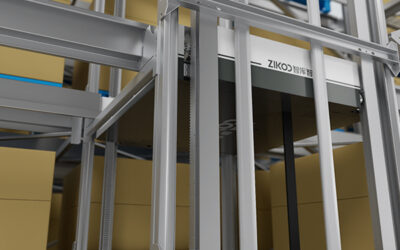
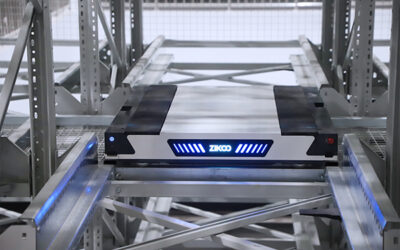
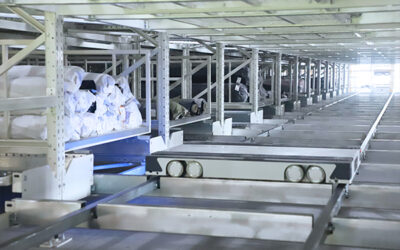
Most floor‑level comparisons miss a crucial point: pallet‑to‑person shuttle systems are not a generic “automated warehouse.” They are a specific storage and retrieval architecture that offers high density and flexible throughput, but they impose requirements many manual facilities ignore. A shuttle system uses mobile robots, typically four‑way shuttles, that ride rails inside a rack structure and move pallets horizontally across lanes and vertically via elevators. Manual warehouses rely on forklifts and reach trucks to move pallets across wide aisles.
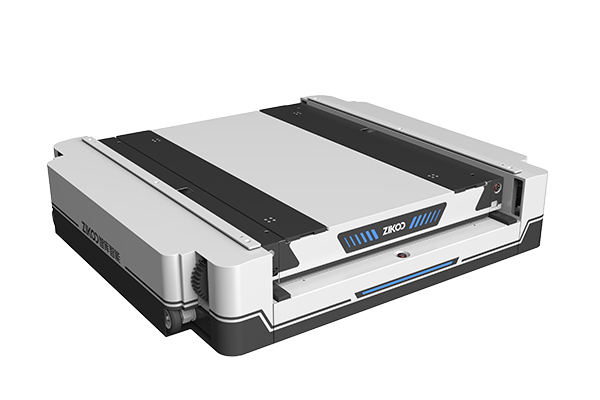
The performance gap shows up in three areas. Space utilization in a manual pallet racking layout rarely exceeds 45 percent of the building footprint after accounting for aisles, staging, and dock areas. A shuttle system can push single‑deepable storage density above 80 percent because aisles are eliminated and the rack structure can be consolidated. Throughput consistency is another. Forklift operators are skilled, but their output varies by shift, fatigue, and turnover. Shuttle fleets deliver repeatable pallet moves at a known rate, which makes labor planning and order cut‑off times predictable. Inventory accuracy difference can be stark. Manual warehouses often run 97–98 percent location accuracy; the same facility after a WMS‑governed shuttle installation routinely reaches 99.5 percent and stays there, because every pallet movement is tracked and validated by the software.
When a Manual Warehouse Still Makes Practical Sense
Pallet shuttle automation is not the right answer for every site. The warehouse that moves 80 pallets a day with five fork‑lift operators and has decades of stable pallet dimensions is often better served by process improvement than by a robotics investment. In one food distribution warehouse I assessed, the team was moving 200 pallets daily, but with 12 different pallet footprints and a high percentage of damaged pallets. The site would have needed pallet quality gates, a pre‑inspection station, and re‑palletizing labor before a shuttle could even begin to operate, which negated the automation savings.
Manual warehouses also remain the better choice when the future inventory profile is uncertain. A cold‑storage facility that expects to handle 2000 SKUs today but may add frozen assortments with different pallet sizes next year will find that shuttle rack lanes, once dimensioned, are expensive to reconfigure. The upfront flexibility of a manual layout can absorb such changes at near‑zero cost, while a shuttle system would require re‑engineering the rack structure. In these situations, a hybrid arrangement, where high‑movement pallets move through an automated cube and slow‑movers stay in a manual area, often delivers the best blended cost.
Infrastructure Requirements Pallet Automation Demands
Before any vendor walks through the door, the following seven infrastructure checks will tell you whether automation is even feasible. I use this checklist on every project I evaluate.
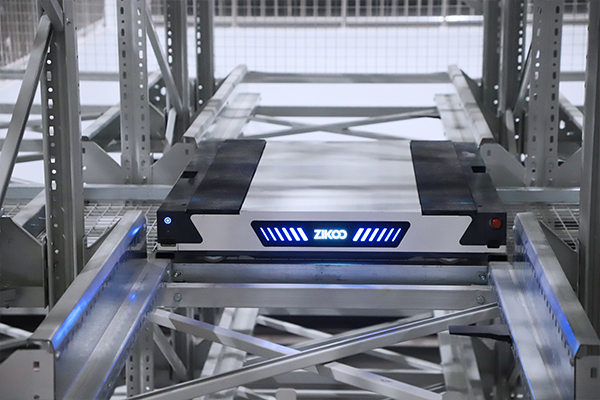
Pallet footprint consistency. A four‑way shuttle requires pallets to stay within a tolerance of about 10 mm on width and depth. Pallets that are warped or damaged to the point where a shuttle’s lifting mechanism cannot get a clean grip will generate constant recovery calls. Run a sample of 100 pallets and measure them.
Floor flatness and level. The rack structure itself can tolerate some slope, but the top‑down assembly method used in many shuttle rack systems requires the floor to be level within 20 mm across the entire rack footprint. Excess slope forces longer shimming and alignment time during installation, and can affect shuttle travel accuracy if not corrected.
Vertical clearance and fire suppression. A pallet shuttle system pushes storage density, but it also pushes the fire risk profile. Local codes may require enhanced sprinkler density or in‑rack sprinklers. Ceiling height must accommodate the rack height plus a clearance zone, typically 500 mm for sprinkler coverage. If your usable clear height is below 8 meters, the density advantage shrinks because fewer storage levels are built, and the ROI window lengthens.
Network and power infrastructure. Shuttles, elevators, and workstations need a reliable wired Ethernet backbone and backup power. A single network drop failure in the rack can bring an entire lane offline. At sites I have supported, we often specify dual‑homing the warehouse network to avoid a single point of failure.
Software readiness. A shuttle system without a WMS/WES/WCS stack is just a collection of moving platforms. The software must coordinate shuttle assignments, elevator scheduling, and order release logic. Companies that run a legacy ERP with no real‑time interface to a warehouse control system will add significant integration cost. Before committing to hardware, it is worth booking a technical call to confirm whether your ERP can consume the real‑time inventory feeds a shuttle system generates.
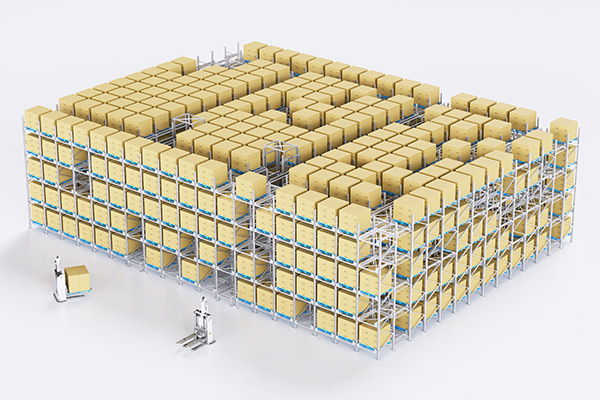
Dock and staging layout. The inbound and outbound flows of a high‑density shuttle rack are concentrated at a few vertical lift points. The docks must be sized so the elevator throughput matches the outbound demand without queuing forklifts into the rack access zone. In many designs, we add a small buffer conveyor at the lift take‑away to decouple the elevator from fork‑truck pacing.
Environmental conditions. Pallet shuttle systems from vendors such as Zikoo operate reliably down to -15°C with lithium batteries, and H‑bot elevators work in a -25°C to 45°C range. But humidity over 80 percent without protective coating on the shuttle’s printed circuit boards can cause corrosion in cold chain environments. The product library for R‑bot shuttles shows a special PCBA coating for high‑humidity cold storage; you should verify that your proposed system includes this if you store frozen or chilled goods.
Comparing the Financial Picture: Automated Warehouse vs Manual Warehouse
The cost conversation has to include hardware, software, installation, and the ongoing labor equation. A manual warehouse’s capital expense is essentially the rack structure plus fork‑lifts. A shuttle system adds shuttles, elevators, conveyors, a supporting steel structure, a WMS/WCS software suite, and integration engineering. The table below approximates the investment profile for a 5,000‑pallet facility comparing a standard pallet rack layout with reach trucks versus a four‑way shuttle system using R‑bot shuttles and H‑bot elevators.
| Cost Element | Manual Warehouse (USD) | Pallet Shuttle System (USD) |
|---|---|---|
| Racking and steel structure | $120,000 | $280,000 |
| Mobile handling equipment | $85,000 (3 reach trucks) | $450,000 (12 shuttles, 3 elevators) |
| Software and control system | $5,000 (basic WMS) | $80,000 (WMS/WES/WCS) |
| Installation and commissioning | $20,000 | $70,000 |
| Annual maintenance and support | $25,000 (trucks, racks) | $45,000 (shuttles, elevators) |
| Annual operator cost (2 shifts) | $160,000 (8 operators) | $40,000 (2 technicians) |
The upfront investment for the shuttle system is roughly double, but annual operating costs swing heavily in its favor after year three. In a facility where a shuttle system reduces operator headcount from eight to two, the annual saving of $120,000 pays back the incremental capital in approximately four years. Many clients I work with achieve a post‑tax ROI of 18‑22 percent when labor is the dominant cost driver, though sites with very low local wages need to weigh the numbers carefully.
A cost factor often hidden from initial vendor proposals is pallet quality management. If you need to introduce pallet inspection stations and reject damaged pallets before they enter the automated cube, that extra labor can add $30,000 or more annually in a 5,000‑pallet facility. A manual warehouse absorbs damaged pallets more gracefully, so this expense is unique to the automated path and must be included in the ROI model.
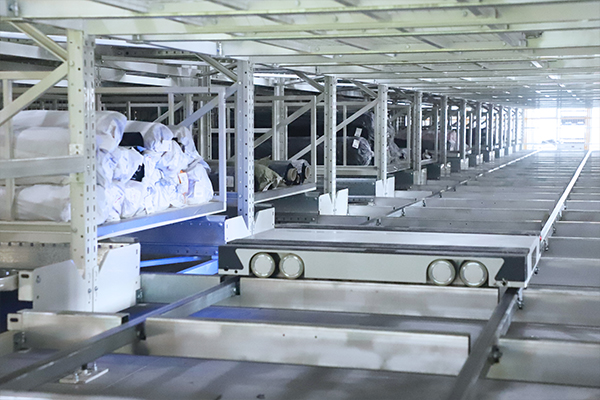
One pharma storage project I assessed achieved a 48 percent reduction in pallet retrieval time after deploying a six‑way shuttle configuration, which translated directly into shorter order‑to‑ship cycles. But the same project required two months of rigorous pallet standardisation before the shuttle system could operate at full speed. Without that preparatory work, the ROI projections on the original proposal would have been missed by a wide margin.
If your operation handles pallets of varying quality and you are uncertain about the cost of sorting them before storage, it is worth confirming your pallet condition data with a systems integrator before building the financial case. Reach out at [email protected] with your pallet sampling results, and we can review whether the additional handling step still makes the automation numbers hold.
Finding a Practical Transition Path That Protects Operations
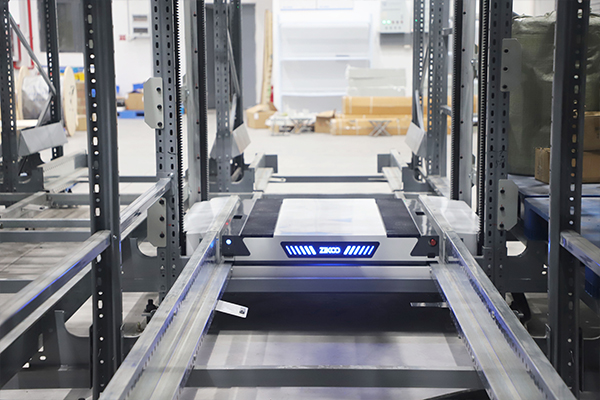
Most sites cannot shut down the warehouse to install a shuttle system. A phased approach that keeps the manual operation running while the shuttle rack is erected in an adjacent bay or extension is the most common pattern. The H‑bot elevator and R‑bot shuttle modules from Zikoo, for example, can be commissioned lane by lane, so the initial set of automated pallet positions goes live while the rest of the rack is still under construction. During the first weeks of parallel operation, the WMS must handle inventory split across manual and automated zones. The PTP Smart Warehouse Software platform (WMS/WES/WCS/RCS) we deploy for these projects can treat an automated bay as a distinct zone with its own picking rules, which lets the warehouse team cut over gradually.
The transition plan should include a full‑cycle test with 20 percent of your active SKUs running through the automated lanes for at least one full shift before you rely on the system for all pallet movement. In several implementations, this test exposed pallet dimension outliers that would not have been caught otherwise, and the corrections took days rather than the weeks it would have taken if the system were already live. The implementation timeline for a 5,000‑pallet shuttle system typically ranges from 16 to 24 weeks from contract to go‑live, but the facility preparation activities such as floor leveling, electrical runs, and pallet standardisation often consume 4 to 6 weeks of that window and should begin before the vendor arrives on site.
Questions Most Teams Ask Before Moving to Pallet Shuttles
Is it better to start with a partial automation deployment and expand later?
Yes. I recommend clients begin with the highest‑velocity SKUs and a limited number of shuttle lanes. This proves operator acceptance, validates the pallet quality assumptions, and generates real throughput data that informs the next expansion phase. The R‑bot shuttle’s modular lane structure makes it straightforward to add lanes without modifying the operational section, as long as the initial rack structure is designed with expansion tie‑in points.
How do you handle pallet-to-shuttle tolerance issues in a live operation without disrupting the manual side?
The shuttle system’s vertical lift stations become the checkpoints. A dimensioning scanner at the lift entrance can flag non‑conforming pallets before they enter the automated cube, routing them to a manual exception lane. In one automotive parts warehouse, a simple laser curtain at the elevator entrance reduced shuttle jam incidents by 70 percent within the first month, and the manual side never experienced a slowdown because rejected pallets were handled by the same fork‑lift team that had always handled them.
What software integration risks should you watch for when moving from a manual WMS to an automated shuttle control system?
The largest risk is that the ERP and WMS pass pallet identification data through multiple systems with incompatible data formats. I always advise clients to do a data‑mapping workshop as the very first step after signing with a vendor. Every field that describes a pallet, from weight to the inbound quality flag, must be mapped through the RCS and into the WES without manual re‑entry. If you already run a WMS that does not support real‑time equipment control, the shuttle system’s control layer will need its own WCS, and the integration point between the two must be tested with live pallet data, not simulated messages.
If your internal ERP team is not familiar with the RCS‑to‑WCS interface, it can be helpful to have a technical review call early in the planning stage. Share your system architecture with our integration engineers at [email protected] or call (+86)-19941778955, and we can identify whether a middleware layer is needed before you commit to hardware.
If you’re interested, check out these related articles:
Stacker Crane vs Four-Way Shuttle: Which Fits Your ASRS Warehouse Best
Six-Way Shuttle Drives Warehouse Upgrades: Building an Intelligent Automatic 3D Warehouse