Implementing an Automated Storage and Retrieval System (ASRS) is one of those choices you feel on the floor first, fewer footsteps, fewer touches, cleaner inventory logs. After years building intelligent warehousing systems, we have learned that success comes from careful planning and an honest read of how your operation really runs. Our aim here is to lay out a clear, practical path so decision makers can choose an ASRS that fits their strategy and returns measurable value.
Understanding the Strategic Importance of ASRS Selection
1. Why ASRS is a Critical Investment for Modern Warehouses
Warehouses are under steady pressure to make better use of space, trim labor spend, and ship faster. An ASRS creates an edge by automating storage and retrieval, which raises efficiency and accuracy. The automation reduces human error, strengthens inventory control, and improves safety across the operation. ASRS also enables higher storage density, a big win where real estate costs keep climbing.
2. Common Challenges in Warehouse Operations that ASRS Addresses
Common pain points include wasted space, heavy labor costs, and material flow bottlenecks. Manual methods often struggle with inventory accuracy, which leads to misplaced items and missed ship windows. ASRS tackles these issues by consolidating storage, automating repetitive work, and delivering real-time visibility. The result is faster response to demand and a stronger competitive position. If you’re interested, check 《Understanding ASRS Systems for Modern Warehouse Efficiency》.
Key Factors to Evaluate When Choosing an ASRS Solution
1. Assessing Your Operational Needs and Business Goals
Before choosing an ASRS, start with a thorough assessment of current and future needs. Map your inventory profile, including item size, weight, and storage conditions. Define target throughput and peak periods. Spell out your business goals, such as lowering costs, boosting accuracy, expanding storage capacity, or speeding order fulfillment. These aims should steer the selection and keep the system aligned with your long-term plan.
2. Analyzing Warehouse Space and Infrastructure Limitations
Your building sets the boundaries for what will work. Review available floor space, clear height, and any structural constraints. Factor in column spacing, utility runs, and floor load ratings. Some technologies favor very high-density vertical storage, others are better for horizontal flow. A detailed site study will reveal viable configurations.
3. Evaluating Throughput Requirements and Scalability for Future Growth
Throughput is the number of storage and retrieval moves in a given time. Estimate current and projected demand with care. The system you select should meet peak loads and scale as the business grows. Flexible growth paths protect the investment as volumes shift.
4. Understanding Different ASRS Technologies and Their Suitability
ASRS technologies vary, each with strengths. Options include crane-based systems, shuttle-based systems, and robotic solutions. They differ in speed, density, and flexibility. Understanding these trade-offs is key to matching a system with your operation.
| ASRS Technology | Key Characteristics | Ideal Application |
| :—————— | :—————————————————————————————————————————————————————————————————————————————————————————————————————————————————————————————————————————————————————————————————————————————————————————————————————————————————————————————————————————————————————————————————————————————————————————————————————————————————————————————————————————————————————————————————————————————————————————————————————————————————————————————————————————————————————————————————————————————————————————————————————————————————————————————————————————————————————————————————————————————————————————————————————————————————————————————————————————————————————————————————————————————————————————————————————————————————————————————————————————————————————————————————————————————————————————————————————————————————————————————————————————————————————————————————————————————————————————————————————————————————————————————————————————————————————————————————————————————————————————————————————————————————————————————————————————————————————————————————————————————————————————————————————————————————————————————————————————————————————————————————————————————————————————————————————————————————————————————————————————————————————————————————————————————————————————————————————————————————————————————————————————————————————————————————————————————————————————————————————————————————————————————————————————————————————————————————————————————————————————————————————————————————————————————————————————————————————————————————————————————————————————————————————————————————————————————————————————————————————————————————————————————————————————————————————————————————————————————————————————————————————————————————————————————————————————————————————————————————————————————————————————————————————————————————————————————————————————————————————————————————————————————————————————————————————————————————————————————————————————————————————————————————————————————————————————————————————————————————————————————————————————————————————————————————————————————————————————————————————————————————————————————————————————————————————————————————————————————————————————————————————————————————————————————————————————————————————————————————————————————————————————————————————————————————————————————————————————————————————————————————————————————————————————————————————————————————————————————————————————————————————————————————————————————————————————————————————————————————————————————————————————————————————————————————————————————————————————————————————————————————————————————————————————————————————————————————————————————————————————————————————————————————————————————————————————————————————————————————————————————————————————————————————————————————————————————————————————————————————————————————————————————————————————————————————————————————————————————————————————————————————————————————————————————————————————————————————————————————————————————————————————————————————————————————————————————————————————————————————————————————————————————————————————————————————————————————————————————————————————————————————————————————————————————————————————————————————————————————————————————————————————————————————————————————————————————————————————————————————————————————————————————————————————————————————————————————————————————————————————————————————————————————————————————————————————————————————————————————————————————————————————————————————————————————————————————————————————————————————————————————————————————————————————————————————————————————————————————————————————————————————————————————————————————————————————————————————————————————————————————————————————————————————————————————————————————————————————————————————————————————————————————————————————————————————————————————————————————————————————————————————————————————————————————————————————————————————————————————————————————————————————————————————————————————————————————————————————————————————————————————————————————————————————————————————————————————————————————————————————————————————————————————————————————————————————————————————————————————————————————————————————————————————————————————————————————————————————————————————————————————————————————————————————————————————————————————————————————————————————————————————————————————————————————————————————————————————————————————————————————————————————————————————————————————————————————————————————————————————————————————————————————————————————————————————————————————————————————————————————————————————————————————————————————————————————————————————————————————————————————————————————————————————————————————————————————————————————————————————————————————————————————————————————————————————————————————————————————————————————————————————————————————————————————————————————————————————————————————————————————————————————————————————————————————————————————————————————————————————————————————————————————————————————————————————————————————————————————————————————————————————————————————————————————————————————————————————————————————————————————————————————————————————————————————————————————————————————————————————————————————————————————————————————————————————————————————————————————————————————————————————————————————————————————————————————————————————————————————————————————————————————————————————————————————————————————————————————————————————————————————————————————————————————————————————————————————————————————————————————————————————————————————————————————————————————————————————————————————————————————————————————————————————————————————————————————————————————————————————————————————————————————————————————————————————————————————————————————————————————————————————————————————————————————————————————————————————————————————————————————————————————————————————————————————————————————————————————————————————————————————————————————————————————————————————————————————————————————————————————————————————————————————————————————————————————————————————————————————————————————————————————————————————————————————————————————————————————————————————————————————————————————————————————————————————————————————————————————————————————————————————————————————————————————————————————————————————————————————————————————————————————————————————————————————————————————————————————————————————————————————————————————————————————————————————————————————————————————————————————————————————————————————————————————————————————————————————————————————————————————————————————————————————————————————————————————————————————————————————————————————————————————————————————————————————————————————————————————————————————————————————————————————————————————————————————————————————————————————————————————————————————————————————————————————————————————————————————————————————————————————————————————————————————————————————————————————————————————————————————————————————————————————————————————————————————————————————————————————————————————————————————————————————————————————————————————————————————————————————————————————————————————————————————————————————————————————————————————————————————————————————————————————————————————————————————————————————————————————————————————————————————————————————————————————————————————————————————————————————————————————————————————————————————————————————————————————————————————————————————————————————————————————————————————————————————————————————————————————————————————————————————————————————————————————————————————————————————————————————————————————————————————————————————————————————————————————————————————————————————————————————————————————————————————————————————————————————————————————————————————————————————————————————————————————————————————————————————————————————————————————————————————————————————————————————————————————————————————————————————————————————————————————————————————————————————————————————————————————————————————————————————————————————————————————————————————————————————————————————————————————————————————————————————————————————————————————————————————————————————————————————————————————————————————————————————————————————————————————————————————————————————————————————————————————————————————————————————————————————————————————————————————————————————————————————————————————————————————————————————————————————————————————————————————————————————————————————————————————————————————————————————————————————————————————————————————————————————————————————————————————————————————————————————————————————————————————————————————————————————————————————————————————————————————————————————————————————————————————————————————————————————————————————————————————————————————————————————————————————————————————————————————————————————————————————————————————————————————————————————————————————————————————————————————————————————————————————————————————————————————————————————————————————————————————————————————————————————————————————————————————————————————————————————————————————————————————————————————————————————————————————————————————————————————————————————————————————————————————————————————————————————————————————————————————————————————————————————————————————————————————————————————————————————————————————————————————————————————————————————————————————————————————————————————————————————————————————————————————————————————————————————————————————————————————————————————————————————————————————————————————————————————————————————————————————————————————————————————————————————————————————————————————————————————————————————————————————————————————————————————————————————————————————————————————————————————————————————————————————————————————————————————————————————————————————————————————————————————————————————————————————————————————————————————————————————————————————————————————————————————————————————————————————————————————————————————————————————————————————————————————————————————————————————————————————————————————————————————————————————————————————————————————————————————————————————————————————————————————————————————————————————————————————————————————————————————————————————————————————————————————————————————————————————————————————————————————————————————————————————————————————————————————————————————————————————————————————————————————————————————————————————————————————————————————————————————————————————————————————————————————————————————————————————————————————————————————————————————————————————————————————————————————————————————————————————————————————————————————————————————————————————————————————————————————————————————————————————————————————————————————————————————————————————————————————————————————————————————————————————————————————————————————————————————————————————————————————————————————————————————————————————————————————————————————————————————————————————————————————————————————————————————————————————————————————————————————————————————————————————————————————————————————————————————————————————————————————————————————————————————————————————————————————————————————————————————————————————————————————————————————————————————————————————————————————————————————————————————————————————————————————————————————————————————————————————————————————————————————————————————————————————————————————————————————————————————————————————————————————————————————————————————————————————————————————————————————————————————————————————————————————————————————————————————————————————————————————————————————————————————————————————————————————————————————————————————————————————————————————————————————————————————————————————————————————————————————————————————————————————————————————————————————————————————————————————————————————————————————————————————————————————————————————————————————————————————————————————————————————————————————————————————————————————————————————————————————————————————————————————————————————-
Essential Considerations for Selecting an ASRS System
For over 15 years, our team has designed and delivered intelligent warehousing solutions. We can say with confidence that choosing an ASRS is a defining decision for any operation looking to raise performance. The right system can shift a warehouse from cost center to strategic asset, with the agility and precision that modern supply chains demand. We also know the decision can feel complex, so we focus on making it clear and manageable for our clients.
1. Why ASRS is a Critical Investment for Modern Warehouses
Modern logistics requires storage that is both resilient and responsive. ASRS shines here. It increases storage density, often doubling or tripling capacity in the same footprint, which matters as real estate costs rise. Automation cuts reliance on manual labor, which helps with shortages, turnover, and error reduction, and it improves consistency and safety. The speed and accuracy of ASRS accelerate order fulfillment, which feeds customer satisfaction and competitive positioning. For a deeper understanding of ASRS fundamentals, consider reading 《Understanding ASRS Systems for Modern Warehouse Efficiency》.
2. Common Challenges in Warehouse Operations that ASRS Addresses
Many operations wrestle with similar issues. Space goes underused, especially vertically, and layouts sprawl. Labor costs press margins, and manual handling raises safety risks. Inventory data drifts, causing stockouts, overstocking, and higher carrying costs. ASRS addresses these problems directly. It tightens space use with high-density storage, reduces labor dependency, and improves accuracy through automated tracking. It also smooths material flow, removing bottlenecks and shortening process time.
Key Factors to Evaluate When Choosing an ASRS Solution
1. Assessing Your Operational Needs and Business Goals
A successful ASRS starts with a clear understanding of your operation and goals.
1. Inventory Characteristics: Analyze size, weight, fragility, and temperature requirements.
2. Throughput Demands: Quantify daily, weekly, and peak inbound and outbound volume.
3. Order Profile: Determine whether you handle full-pallet, case, or piece picking.
4. Business Objectives: Define targets like lower operating cost, higher inventory accuracy, more storage capacity, or better service levels.
These inputs drive the right configuration.
2. Analyzing Warehouse Space and Infrastructure Limitations
Your current building shapes the solution.
1. Available Footprint: Measure usable floor area.
2. Clear Height: Confirm maximum vertical space.
3. Floor Load Capacity: Check if the slab supports the system and goods.
4. Obstructions: Note columns, utilities, and fixed structures that impact design.
These factors set the feasible system types and dimensions.
3. Evaluating Throughput Requirements and Scalability for Future Growth
Meet today’s needs and leave room to grow.
1. Current Throughput: Calculate average and peak moves per hour.
2. Future Projections: Forecast volume and speed requirements over the next 5 to 10 years.
3. Scalability Options: Favor modular expansion and easy addition of units.
This preserves flexibility and protects the investment.
4. Understanding Different ASRS Technologies and Their Suitability
Choose technology that fits the work.
1. Crane-Based ASRS: Suited to very high-bay and heavy loads, high density with less flexibility.
2. Shuttle-Based ASRS: Strong throughput and density, especially for deep-lane storage.
3. Vertical Lift Modules (VLMs): Uses vertical space for small parts, high density and security.
4. Carousels (Horizontal/Vertical): Fast picking for small to medium items.
5. Robotic ASRS (e.g., Cube Storage): Extreme density and high flexibility for goods-to-person.
Match the system to your operating profile. You may find insights in 《The New Trend in Automated Warehousing: Why Four-Way Shuttle Systems Stand Out》.
Technical Specifications and Performance Metrics for ASRS Systems
1. Capacity, Speed, and Accuracy: Defining Your Performance Benchmarks
These metrics set performance expectations.
1. Capacity: Total storage locations or volume the system holds.
2. Speed: Cycles per hour or items or pallets moved per hour, which dictates access time.
3. Accuracy: The ability to locate and retrieve the correct item without errors, central to inventory integrity.
Set benchmarks for each based on your analysis.
2. Integration Capabilities with Existing WMS/WES/WCS Systems
Tight integration keeps the warehouse running as one system.
1. WMS (Warehouse Management System): The ASRS must communicate with your WMS for inventory and orders.
2. WES (Warehouse Execution System): Coordination with a WES optimizes task sequencing and flow in the automated zone.
3. WCS (Warehouse Control System): The ASRS controls should interface cleanly with higher-level WCS for coordinated operation.
Ensure the vendor offers robust APIs and proven integration patterns. Our PTP Smart Warehouse Software (WMS/WES/WCS/RCS) supports broad integration capabilities.
3. Power Consumption and Energy Efficiency Considerations
Energy use affects cost and footprint.
1. Power Requirements: Understand total draw across components.
2. Energy Recovery Systems: Look for regenerative features where available.
3. Operational Modes: Favor intelligent power management that adapts to workload.
Energy-efficient designs cut utility spend and support sustainability goals.
4. Maintenance Requirements and System Reliability
Uptime depends on design and care.
1. Mean Time Between Failures (MTBF): Review expected reliability for critical components.
2. Preventive Maintenance Schedule: Note intervals and costs.
3. Spare Parts Availability: Confirm access to key spares.
4. Remote Diagnostics: Remote monitoring and diagnostics help reduce downtime.
Select a system with solid reliability and manageable maintenance.
Financial Implications and Return on Investment (ROI) of ASRS
1. Calculating Total Cost of Ownership (TCO) for ASRS Implementation
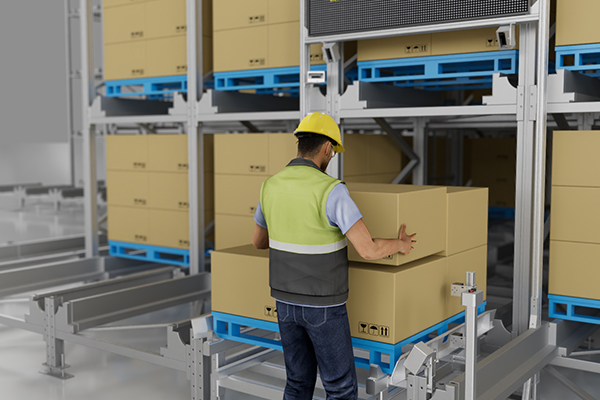
TCO is more than purchase price.
1. Initial Investment: Include hardware, software, installation, and commissioning.
2. Operational Costs: Energy, routine maintenance, and spares.
3. Labor Costs: Reduced headcount and specialized technician needs.
4. Depreciation: System lifespan and accounting treatment.
This view gives a realistic financial picture.
2. Estimating Labor Savings and Operational Efficiency Gains
ASRS tends to deliver significant labor and speed gains.
1. Reduced Headcount: Quantify manual hours removed or reassigned.
2. Increased Throughput: Estimate percent improvement in speed and accuracy.
3. Space Optimization: Put a value on recovered floor space or deferred expansion.
These improvements feed the business case.
3. Understanding the Payback Period and Long-Term Value
Payback shows how fast savings offset the spend.
1. Calculate Payback Period: Divide total investment by annual savings and benefits.
2. Long-Term Benefits: Include safety improvements, customer satisfaction, and operational agility.
Shorter payback and strong long-term value make ASRS a compelling choice.
Vendor Selection and Implementation Best Practices
1. Evaluating ASRS Providers: Expertise, Support, and Customization
Picking the right partner matters as much as the technology.
1. Industry Experience: Check track record and domain expertise.
2. Technical Expertise: Validate engineering depth and integration know-how.
3. Customer Support: Review post-install support, SLAs, and response times.
4. Customization Capabilities: Confirm the ability to tailor to your operation.
A strong partnership with an experienced provider like Zikoo Smart Technology helps deliver a successful project.
2. The Importance of Comprehensive Project Planning and Phased Rollouts
Disciplined project management reduces disruption and risk.
1. Detailed Planning: Build a detailed plan with timelines, milestones, and owners.
2. Risk Assessment: Identify risks and define mitigations.
3. Phased Implementation: Roll out in phases to limit downtime and ease adoption.
This approach manages complexity and supports a smooth transition to automation.
3. Training and Change Management for Successful ASRS Adoption
People make the system work.
1. Operator Training: Train everyone who will interact with the ASRS.
2. Maintenance Training: Equip your techs for routine service and minor repairs.
3. Change Management: Address concerns and build buy-in for new technology.
Good training and change management speed adoption and results.
Zikoo Smart Technology’s ASRS Solutions: An Overview
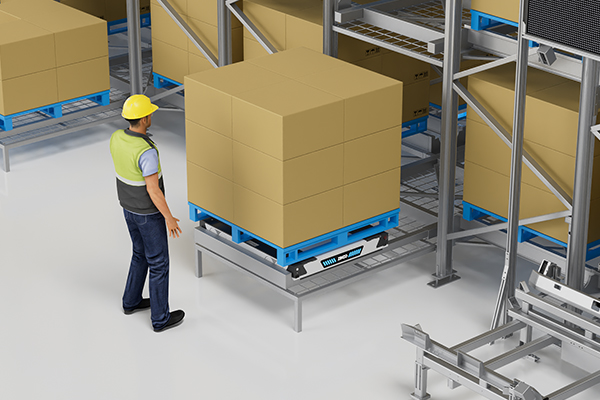
At Zikoo Smart Technology, we specialize in pallet-to-person robotics and intelligent warehousing solutions. Our lineup addresses a wide range of storage and retrieval needs with high density, speed, and flexibility. Our PTP Smart Warehouse Software (WMS/WES/WCS/RCS) provides the intelligence to orchestrate these systems with tight coordination.
1. R-bot Four-way Shuttle: High-Density Pallet Storage
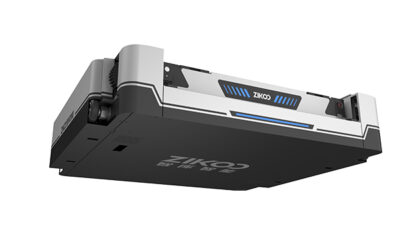
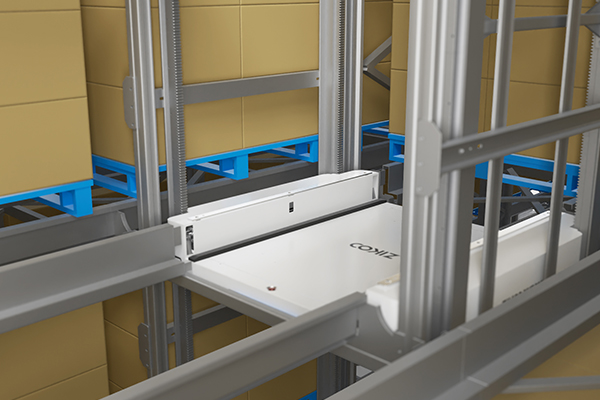
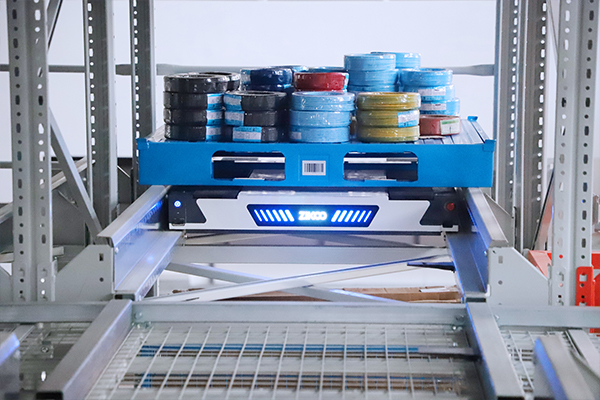
The R-bot Four-way Shuttle is an intelligent warehouse robot built for dense storage and pallet-to-person scenarios. Its slim body and four-way movement enable multi-shuttle collaboration.
| Model | Weight | Rated Load | Dimensions (L×W×H) | Pallet Sizes | Empty Speed | Loaded Speed | Battery | Continuous Operation |
| :——————– | :——- | :——— | :——————– | :—————— | :———- | :———– | :——– | :——————- |
| Standard (R1200B) | 270 kg | 1200 kg | 1000×972×125 mm | 1200×800–1000 mm | 1.6 m/s | 1.2 m/s | 51.2V/40Ah | 8 hours |
| American (R1200A) | 265 kg | 1200 kg | 1192×840×125 mm | 1016×1219 mm | 1.6 m/s | 1.2 m/s | 51.2V/40Ah | 8 hours |
| Japanese (R1500J) | 270 kg | 1500 kg | 1192×900×125 mm | 1100×1100 mm | 1.6 m/s | 1.2 m/s | 51.2V/40Ah | 8 hours |
| Heavy-duty (R1500B) | 275 kg | 1500 kg | 1192×972×125 mm | 1200 mm | 1.6 m/s | 1.2 m/s | 51.2V/40Ah | 8 hours |
| Heavy-duty Large Pallet (R2000B) | 400 kg | 2000 kg | 1250×1300×150 mm | 1400 mm | 1.35 m/s | 1.0 m/s | 51.2V/30Ah | 7 hours |
The R-bot is suitable for dense storage in e-commerce, cold chain, and manufacturing. It offers specialized solutions for cold chain and new energy applications. This system exemplifies the capabilities of our Four-Way Pallet Shuttle technology.
2. H-bot Vertical Bidirectional Shuttle: Enhancing Vertical Throughput
The H-bot Vertical Bidirectional Shuttle serves as a vertical transport hub for pallet-to-person dense storage. It pairs with the R-bot to create a six-way shuttle system that lifts overall efficiency.
| Model | Body Weight | Rated Load | Dimensions (L×W×H) | Pallet Sizes | Empty Speed | Loaded Speed | Acceleration (Empty) | Acceleration (Loaded) | Temperature Range | Positioning Accuracy |
| :——————– | :———- | :——— | :——————– | :—————— | :———- | :———– | :——————- | :——————– | :—————- | :——————- |
| Standard (H1800B) | 345 kg | 1800 kg | 1300×1464×288 mm | 1200×800–1200 mm | 1 m/s | 0.5 m/s | 1 m/s² | 0.3 m/s² | -25℃ to 45℃ | ±1 mm |
| American (H1800A) | 325 kg | 1800 kg | 1300×1332×288 mm | 1016×1219 mm | 1 m/s | 0.5 m/s | 1 m/s² | 0.3 m/s² | -25℃ to 45℃ | ±1 mm |
| Japanese (H1800J) | 335 kg | 1800 kg | 1300×1392×288 mm | 1100×1100 mm | 1 m/s | 0.5 m/s | 1 m/s² | 0.3 m/s² | -25℃ to 45℃ | ±1 mm |
The H-bot is ideal for high-rack warehouses and urban warehousing, maximizing space utilization. It forms the backbone of our six-way shuttle solution. This solution is a prime example of a Vertical Two-Way Shuttle system.
3. U-bot Omnidirectional Stacking Robot: Narrow Aisle Optimization
The U-bot Omnidirectional Stacking Robot thrives in narrow aisles, needing very little clearance. Its U-shaped design and omnidirectional movement deliver standout maneuverability.
| Model | Dimensions | Rated Load | Self-Weight | Lifting Height | Minimum Aisle Width | Driving Positioning Accuracy | Battery | Continuous Operation |
| :———- | :—————— | :——— | :———- | :————- | :—————— | :————————— | :————————– | :——————- |
| U1045 | 2198×1784×2100 mm | 1000 kg | 3000 kg | 4500 mm | 2100 mm | ±10 mm | 48 V / 210 Ah LiFePO4 | 6–8 hours |
| U1060 | 2198×1820×2685 mm | 1000 kg | 3300 kg | 6000 mm | 2140 mm | ±10 mm | 48 V / 210 Ah LiFePO4 | 6–8 hours |
| U1080 | 2198×1820×3465 mm | 1000 kg | 3500 kg | 8000 mm | 2140 mm | ±10 mm | 48 V / 210 Ah LiFePO4 | 6–8 hours |
The U-bot is perfectly suited for e-commerce, pharmaceutical, and manufacturing industries, especially for existing warehouse renovations. This highlights the versatility of our Omnidirectional Stacker Robot technology.
4. U-bot + AMR Narrow Aisle Picking System: Collaborative Picking Efficiency
The U-bot + AMR system brings a collaborative setup for hybrid picking, combining high-level storage access with low-level handling.
| Performance Metric | Value |
| :————————– | :———- |
| Picking Efficiency | ≥300 pieces per hour |
| Inbound/Outbound Efficiency | ≥80 pallets per hour |
| Storage Density Improvement | >30% |
| Positioning Accuracy | ±10 mm |
| Minimum Aisle Width | 2100 mm |
| Supported SKU Quantity | Up to 10,000 |
This system is ideal for multi-SKU split-case picking in e-commerce, manufacturing, and pharmaceutical industries. It provides efficient management of diverse inventory and supports dynamic path planning for collaborative operations. For more information on optimizing warehouse operations, read 《Maximizing Space Velocity in Modern Warehouses》.
Partner with Zikoo for Your ASRS Solution
Selecting the right ASRS takes careful evaluation of your operation and your strategy. At Zikoo Smart Technology, we bring more than 15 years of experience, advanced robotics, and intelligent software to tailor systems that fit. Our team supports you end to end, from initial assessment through implementation and ongoing support. Let us help you run your warehouse as a highly efficient, scalable, and cost-effective operation.
Contact us today to discuss your specific needs and explore how our advanced ASRS solutions can benefit your business.
Email: [email protected]
Phone: (+86)-19941778955
FAQs
1. What is the typical ROI for an ASRS system?
The typical ROI for an ASRS system varies by system complexity, scale, and labor costs. Many businesses see a payback period between 1 and 5 years, driven by labor reduction, higher storage density, better inventory accuracy, and faster throughput. Longer-term gains include flexibility and a competitive edge.
2. How long does it take to implement an ASRS system?
Timelines depend on size, complexity, and integration needs. Many projects run about 6 months for smaller, simpler systems and can exceed 18 months for large, highly integrated solutions. The phases include design, manufacturing, installation, software integration, and commissioning.
3. Can ASRS systems integrate with existing warehouse management software?
Yes, modern ASRS systems are built for straightforward integration with Warehouse Management Systems (WMS), Warehouse Execution Systems (WES), and Warehouse Control Systems (WCS). Most reputable providers offer robust APIs and established protocols to support smooth data exchange and coordinated operation, creating a unified view of inventory and processes. Our PTP Smart Warehouse Software facilitates this.
4. What are the main differences between shuttle-based and crane-based ASRS?
Shuttle-based ASRS, such as our R-bot, uses independent shuttles to move pallets within racking, offering high flexibility, scalability, and throughput, especially in deep-lane storage. Crane-based ASRS uses large cranes that travel aisles to store and retrieve loads, well suited to very high-bay and heavy loads, with high density and less flexibility than shuttles.
5. How do I determine the right type of ASRS for my warehouse?
Start with a detailed review of inventory characteristics, required throughput, available space, and budget. Weigh current challenges and future growth. Experienced ASRS providers can help compare technologies and design a solution that fits your business objectives.