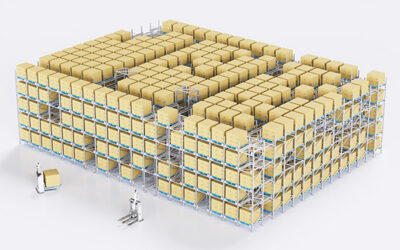
Warehouse teams constantly walk the line between speed and cost, and I’ve seen how one choice—manual versus automated piece picking—can tilt the balance. It affects how many orders you can push through in an hour, how often you get them right, and how smoothly you scale when demand swells. Below, I break down where each method excels, where it struggles, and the practical trade-offs to weigh so you can align your picking strategy with the reality of your operation.
Understanding Manual Piece Picking in Warehouse Operations
1. Defining the Traditional Approach to Order Fulfillment
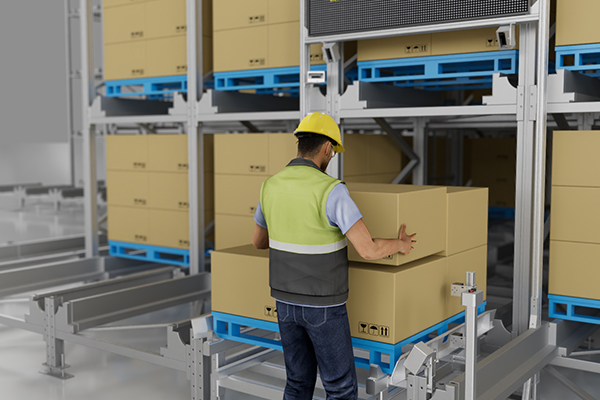
Manual piece picking is the classic, people-powered approach: trained pickers find, retrieve, and sort individual SKUs to match order requirements. They traverse aisles on foot or with carts, locate the correct items, scan to confirm, and stage them in totes or containers for consolidation or shipment.
2. Analyzing the Advantages of Manual Picking
Manual picking shines in smaller or highly variable operations. The upfront spend is modest compared to automation, which makes it friendly for startups and budget-constrained teams. Human flexibility is a real asset—staff can adapt quickly to shifting order mixes, sudden demand spikes, or unusual product shapes without reprogramming. Dexterity and on-the-spot problem solving are especially valuable for fragile, odd-sized, or specialty items that benefit from a careful human touch.
3. Identifying the Disadvantages and Challenges of Manual Picking
The trade-offs are significant. Labor is an ongoing, material cost—wages, benefits, training—and manual processes are vulnerable to human error, which can drive mispicks, damage, and incorrect shipments. Throughput is inherently capped by walking and handling speed, which limits scalability. The physical nature of the job can cause fatigue and injuries, resulting in higher turnover and added strain during labor shortages.
Exploring Automated Piece Picking Solutions for Modern Warehouses
1. Defining Robotic and Automated Picking Technologies
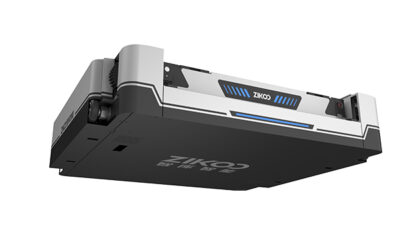
Automated piece picking uses robotics and software to handle picking with minimal human intervention. Systems can include robotic arms, mobile robots, and shuttle solutions, all coordinated by warehouse management and execution software. They consume order data, navigate to storage, identify and retrieve items, then route them to packing or consolidation. Zikoo Smart Technology’s portfolio—R-bot Four-way Shuttle, H-bot Vertical Bidirectional Shuttle, and U-bot Omnidirectional Stacking Robot—anchors many modern automated workflows.
2. Examining the Benefits of Automated Piece Picking Systems
Automation lifts throughput well beyond human limits and materially boosts accuracy, pushing error rates toward near-zero to improve customer satisfaction. It eases labor constraints by offloading repetitive tasks, enabling people to focus on supervision, exceptions, and process improvement. Scaling is more predictable too—adding robots or modules expands capacity without proportional increases in labor or facility footprint. Businesses interested in these benefits should consider The Future of Automated Warehousing: From ASRS Warehouse to Fully Intelligent Storage.
3. Understanding the Challenges and Considerations of Automation Implementation
Adoption isn’t plug-and-play. Expect a sizable initial investment in equipment, software, and facility changes. Careful integration with existing WMS and operational processes is essential. You’ll also need technical skills for deployment, upkeep, and troubleshooting—either in-house or through partners. And while robots keep getting better, certain product profiles (very diverse or delicate) may still favor human handling for maximum flexibility.
A Detailed Comparison of Automated and Manual Piece Picking
Comparing automated and manual piece picking methods reveals distinct trade-offs across several key operational metrics. We analyze these factors to provide a clear perspective for decision-makers.
1. Comparing Operational Efficiency and Throughput
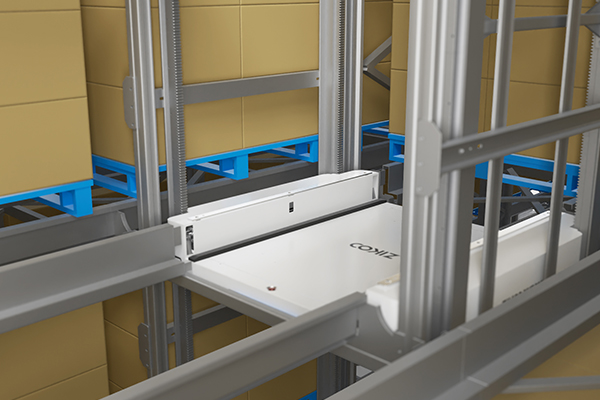
Automated systems outpace manual methods on speed and volume, running 24/7 without fatigue to deliver far higher picks per hour. A Four-Way Pallet Shuttle like the R-bot rapidly moves pallets and syncs with other robots to further lift throughput. Manual picking simply can’t match that, particularly in peak season.
2. Evaluating Cost Implications and Return on Investment
Cost profiles diverge. Manual picking keeps upfront costs low but carries higher recurring labor spend. Automation requires a larger initial outlay, then pays it down through reduced labor, fewer errors, and better space utilization. ROI typically comes through in a multi-year window as efficiency gains stack up. For those considering the financial implications, Smart Warehousing Starts Here: Cost-Effective Four-Way Shuttle Systems offers valuable insights.
3. Assessing Accuracy, Error Rates, and Quality Control
Automated solutions deliver better accuracy thanks to sensors, vision, and algorithms that cut mispicks and damage. Manual processes, despite human adaptability, are more exposed to fatigue, distractions, and uneven training—driving higher error costs and return rates.
4. Analyzing Scalability and Flexibility for Future Growth
Automation scales by adding robots or modules with minimal disruption. Manual operations scale by hiring, which can be slow, costly, and challenging during labor shortages. While automation once lagged on flexibility, newer systems are increasingly versatile. For example, the U-bot + AMR Narrow Aisle Picking System is designed for hybrid scenarios, supporting up to 10,000 SKUs.
5. Considering Labor Requirements and Workforce Impact
Automation trims repetitive, strenuous work and shifts roles toward oversight, maintenance, and continuous improvement—reducing injuries and improving job quality. Rather than simple displacement, many teams see job evolution and upskilling into higher-value positions. Businesses can also explore solutions like Six-Way Shuttle System Leads the Shift from Machines to Robots in Dense Storage Automation to understand this transition.
Key Factors for Choosing the Right Picking Strategy
Selecting the optimal picking strategy requires a thorough evaluation of specific business requirements and operational contexts.
1. Matching Picking Methods to Business Needs and Volume
High, steady volumes with predictable demand and consistent SKU profiles usually favor automation. Lower volumes, broad SKU variability, or volatile demand can make manual—or hybrid—approaches more practical. Ground your choice in current realities and clear growth projections.
2. Integrating Automation with Existing Warehouse Infrastructure
Success depends on clean integration with your current setup—racking, conveyors, and IT. Zikoo Smart Technology’s PTP Smart Warehouse Software (WMS/WES/WCS/RCS) helps unify these layers, coordinating automated assets end to end. Consider PTP Intelligent Warehousing Platform: Building a Flexible and Smart Logistics Ecosystem for more on integration.
3. Leveraging Zikoo Smart Technology’s Robotics for Enhanced Picking
Zikoo Smart Technology offers a range of robotic solutions designed to enhance picking efficiency and accuracy. The R-bot Four-way Shuttle excels in dense storage and pallet-to-person scenarios, offering flexible movement and multi-shuttle collaboration. The H-bot Vertical Bidirectional Shuttle serves as a vertical transportation hub, integrating with R-bots to create a six-way shuttle system for enhanced operational efficiency. The Omnidirectional Stacker Robot (U-bot) is ideal for narrow aisle storage, providing exceptional maneuverability and lifting capabilities up to 8 meters. For split-case picking and hybrid scenarios, the U-bot + AMR Narrow Aisle Picking System combines high-level storage access with low-level picking, managing up to 10,000 SKUs.
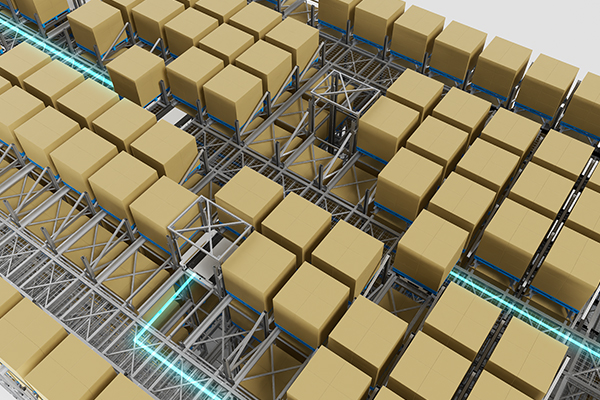
Zikoo Smart Technology’s Picking Robotics Overview
| Product | Key Functionality | Application Scenarios | Unique Features |
| :———————– | :——————————————————————————————————————————————————————————————————————————————————————————————————————————————————————————————————————————————————————————————————————————————————————————————————————————————————————————————————————————————————————————————————————————————————————————————————————————————————————————————————————————————————————————————————————————————————————————————————————————————————————————————————————————————————————————————————————————————————————————————————————————————————————————————————————————————————————————————————————————————————————————————————————————————————————————————————————————————————————————————————————————————————————————————————————————————————————————————————————————————————————————————————————————————————————————————————————————————————————————————————————————————————————————————————————————————————————————————————————————————————————————————————————————————————————————————————————————————————————————————————————————————————————————————————————————————————————————————————————————————————————————————————————————————————————————————————————————————————————————————————————————————————————————————————————————————————————————————————————————————————————————————————————————————————————————————————————————————————————————————————————————————————————————————————————————————————————————————————————————————————————————————————————————————————————————————————————————————————————————————————————————————————————————————————————————————————————————————————————————————————————————————————————————————————————————————————————————————————————————————————————————————————————————————————————————————————————————————————————————————————————————————————————————————————————————————————————————————————————————————————————————————————————————————————————————————————————————————————————————————————————————————————————————————————————————————————————————————————————————————————————————————————————————————————————————————————————————————————————————————————————————————————————————————————————————————————————————————————————————————————————————————————————————————————————————————————————————————————————————————————————————————————————————————————————————————————————————————————————————————————————————————————————————————————————————————————————————————————————————————————————————————————————————————————————————————————————————————————————————————————————————————————————————————————————————————————————————————————————————————————————————————————————————————————————————————————————————————————————————————————————————————————————————————————————————————————————————————————————————————————————————————————————————————————————————————————————————————————————————————————————————————————————————————————————————————————————————————————————————————————————————————————————————————————————————————————————————————————————————————————————————————————————————————————————————————————————————————————————————————————————————————————————————————————————————————————————————————————————————————————————————————————————————————————————————————————————————————————————————————————————————————————————————————————————————————————————————————————————————————————————————————————————————————————————————————————————————————————————————————————————————————————————————————————————————————————————————————————————————————————————————————————————————————————————————————————————————————————————————————————————————————————————————————————————————————————————————————————————————————————————————————————————————————————————————————————————————————————————————————————————————————————————————————————————————————————————————————————————————————————————————————————————————————————————————————————————————————————————————————————————————————————————————————————————————————————————————————————————————————————————————————————————————————————————————————————————————————————————————————————————————————————————————————————————————————————————————————————————————————————————————————————————————————————————————————————————————————————————————————————————————————————————————————————————————————————————————————————————————————————————————————————————————————————————————————————————————————————————————————————————————————————————————————————————————————————————————————————————————————————————————————————————————————————————————————————————————————————————————————————————————————————————————————————————————————————————————————————————————————————————————————————————————————————————————————————————————————————————————————————————————————————————————————————————————————————————————————————————————————————————————————————————————————————————————————————————————————————————————————————————————————————————————————————————————————————————————————————————————————————————————————————————————————————————————————————————————————————————————————————————————————————————————————————————————————————————————————————————————————————————————————————————————————————————————————————————————————————————————————————————————————————————————————————————————————————————————————————————————————————————————————————————————————————————————————————————————————————————————————————————————————————————————————————————————————————————————————————————————————————————————————————————————————————————————————————————————————————————————————————————————————————————————————————————————————————————————————————————————————————————————————————————————————————————————————————————————————————————————————————————————————————————————————————————————————————————————————————————————————————————————————————————————————————————————————————————————————————————————————————————————————————————————————————————————————————————————————————————————————————————————————————————————————————————————————————————————————————————————————————————————————————————————————————————————————————————————————————————————————————————————————————————————————————————————————————————————————————————————————————————————————————————————————————————————————————————————————————————————————————————————————————————————————————————————————————————————————————————————————————————————————————————————————————————————————————————————————————————————————————————————————————————————————————————————————————————————————————————————————————————————————————————————————————————————————————————————————————————————————————————————————————————————————————————————————————————————————————————————————————————————————————————————————————————————————————————————————————————————————————————————————————————————————————————————————————————————————————————————————————————————————————————————————————————————————————————————————————————————————————————————————————————————————————————————————————————————————————————————————————————————————————————————————————————————————————————————————————————————————————————————————————————————————————————————————————————————————————————————————————————————————————————————————————————————————————————————————————————————————————————————————————————————————————————————————————————————————————————————————————————————————————————————————————————————————————————————————————————————————————————————————————————————————————————————————————————————————————————————————————————————————————————————————————————————————————————————————————————————————————————————————————————————————————————————————————————————————————————————————————————————————————————————————————————————————————————————————————————————————————————————————————————————————————————————————————————————————————————————————————————————————————————————————————————————————————————————————————————————————————————————————————————————————————————————————————————————————————————————————————————————————————————————————————————————————————————————————————————————————————————————————————————————————————————————————————————————————————————————————————————————————————————————————————————————————————————————————————————————————————————————————————————————————————————————————————————————————————————————————————————————————————————————————————————————————————————————————————————————————————————————————————————————————————————————————————————————————————————————————————————————————————————————————————————————————————————————————————————————————————————————————————————————————————————————————————————————————————————————————————————————————————————————————————————————————————————————————————————————————————————————————————————————————————————————————————————————————————————————————————————————————————————————————————————————————————————————————————————————————————————————————————————————————————————————————————————————————————————————————————————————————————————————————————————————————————————————————————————————————————————————————————————————————————————————————————————————————————————————————————————————————————————————————————————————————————————————————————————————————————————————————————————————————————————————————————————————————————————————————————————————————————————————————————————————————————————————————————————————————————————————————————————————————————————————————————————————————————————————————————————————————————————————————————————————————————————————————————————————————————————————————————————————————————————————————————————————————————————————————————————————– |
| — | — | — |
| R-bot Four-way Shuttle | – Pallet-to-person dense storage.
– Flexible four-way movement.
– Intelligent autonomous handling.
– Multi-shuttle collaborative operation. | – E-commerce warehouses and distribution centers.
– Cold chain food storage (-25℃ low-temperature battery available).
– Pharmaceutical constant temperature warehouses.
– Manufacturing high-density storage. | – Slim body (125 mm), load up to 1.5 tons.
– Models for various pallet sizes (Standard, American, Japanese, Heavy-duty, Heavy-duty Large Pallet).
– Operates at -15℃.
– 8 hours continuous operation (7 hours for Heavy-duty Large Pallet).
– Custom solutions for cold chain and new energy environments. |
| H-bot Vertical Bidirectional Shuttle | – Vertical transportation hub for pallet-to-person dense storage and picking.
– Creates a six-way shuttle system with R-bot. | – High-rack stereoscopic warehouses.
– Urban warehousing centers or existing warehouse renovation.
– Dense storage requiring improved space utilization. | – Compact layout, occupies single storage location.
– Positioning accuracy of ±1 mm.
– Operates from -25℃ to 45℃.
– Standard, American, Japanese types (1800 kg rated load).
– Customizable Heavy-duty Large Pallet type. |
| U-bot Omnidirectional Stacking Robot | – Pallet-to-person narrow aisle storage.
– Omnidirectional movement for tight spaces.
– Collaborative operation with AMRs and robotic arms. | – Narrow aisle high-density storage in e-commerce.
– Constant temperature storage and picking in pharmaceutical.
– Raw materials and finished products storage in manufacturing.
– Intelligent transformation of existing warehouses. | – Minimum aisle width of 2100 mm.
– Lifting height 0–8 meters, rated load 1000 kg.
– Minimum turning radius of 1370 mm.
– Dual laser SLAM hybrid navigation.
– 3D depth camera for pallet position modeling. |
| U-bot + AMR Narrow Aisle Picking System | – Efficient collaborative solution for hybrid “To B palletization” and “To C split-case picking.”
– Upper storage, lower buffering/picking architecture. | – Multi-SKU split-case picking in e-commerce.
– Raw materials and finished products storage in manufacturing.
– Suspended storage and sorting in apparel.
– Multi-variety, small-batch storage in pharmaceutical. | – Picking efficiency ≥300 pieces/hour.
– Inbound/outbound efficiency ≥80 pallets/hour.
– Storage density improvement >30%.
– Supports up to 10,000 SKUs.
– Multi-functional workstations. |
The Future of Warehouse Picking: Hybrid Approaches and Innovation
The future of warehouse picking will likely involve a blend of automated and manual methods, leveraging the strengths of each.
1. How Hybrid Picking Systems Optimize Performance
Hybrid strategies pair robotic speed and precision with human agility and judgment. Let machines handle high-volume, repetitive travel and transport, while people manage delicate, complex, or exception orders. A practical example: robots bring totes or pallets to ergonomic workstations where a picker finalizes the selection—cutting travel time and smoothing peaks. This also helps stretch limited labor further. Learn more about optimizing warehouse performance with Maximizing Space Velocity in Modern Warehouses.
2. Emerging Technologies Shaping the Picking Landscape
Innovation keeps widening what’s possible. AI and ML are improving robotic vision and grasping, broadening the range of items robots can reliably handle. Better batteries extend runtime; smarter navigation sharpens path planning. Augmented reality overlays can guide human pickers in real time. Put together, these advances point to even higher efficiency and accuracy in the next wave of picking.
Transform Your Warehouse Operations
If you’re ready to lift throughput, cut errors, and build a more scalable picking flow, Zikoo Smart Technology can help. Explore the R-bot Four-way Shuttle, H-bot Vertical Bidirectional Shuttle, U-bot Omnidirectional Stacking Robot, and U-bot + AMR Narrow Aisle Picking System with our team, and we’ll tailor a solution to your operation.
Email: [email protected]
Phone: (+86)-19941778955
About the Author
John Smith, Senior Engineer
John Smith is a Senior Engineer at Zikoo Smart Technology Co., Ltd. He designs and deploys advanced automated storage and retrieval systems (ASRS) and robotic solutions for warehouses and fulfillment centers. With deep experience in optimizing logistics operations, John helps businesses boost efficiency, lower costs, and scale through practical automation. His expertise spans Four-Way Shuttle systems, vertical bidirectional shuttles, and intelligent robotic picking solutions.
FAQs
1. What are the primary cost differences between automated and manual piece picking?
Manual picking keeps initial setup costs low but carries higher ongoing expenses from labor and error-related rework. Automated picking requires a larger upfront investment in hardware and software, yet it typically delivers meaningful long-term savings via reduced labor, higher accuracy, and improved throughput.
2. How long does it typically take to see ROI from automated picking systems?
It varies with system scope, investment size, operational scale, and realized efficiency gains. Most organizations see a positive ROI in roughly 2 to 5 years, driven by lower labor costs, fewer errors, and higher productivity.
3. Can automated picking systems handle a wide variety of product sizes and weights?
Modern systems are increasingly capable. While some solutions are optimized for uniform items, advanced platforms—such as Zikoo’s U-bot + AMR system—can handle a broad range of sizes and weights, including multi-SKU split-case picking, using specialized grippers, vision, and collaborative workflows.
4. What kind of maintenance do automated picking robots require?
Plan for routine preventive maintenance: inspections, software updates, lubrication, and periodic component replacement. Manufacturers provide schedules and procedures, and Zikoo offers comprehensive support to keep downtime low.
5. How do I determine if my warehouse is ready for automation?
Assess order volume, labor costs, error rates, and growth forecasts alongside available space, infrastructure, and SKU complexity. A structured evaluation with automation specialists—like the team at Zikoo Smart Technology—can map readiness and outline a phased path to deployment.